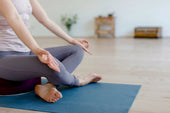
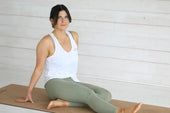
Denne artikel dykker ned i integrationen af mindfulness i yogapraksis og understreger dens rolle i at fremme mental klarhed og følelsesmæssig balance. Læserne vil opdage, hvordan specifikke miljøvenlige wellness-gadgets, såsom yogamåtter af kork og jute, samt restitutionsværktøjer som foam rollers og akupressurmåtter, kan forbedre deres yogaoplevelse og fremme en mere effektiv selvplejerutine.
Indholdsfortegnelse
- Vigtigheden af mindful praksis i yoga
- Yogamåtte i naturlig kork: Miljøvenlig komfort
- Yogamåtte i naturlig jute: Et bæredygtigt valg
- Fordele og ulemper ved jutemåtter
- Teleskopisk foam roller: Restitution efter yoga
- Sådan bruger du en foam roller
- Akupressurmassagemåtte: Forbedrer afslapning
- Skabelse af en personlig selvplejerutine
Integrering af mindfulness i din yogapraksis fremmer mental klarhed og følelsesmæssig balance. Specifikke wellness-gadgets kan uddybe din afslapning og skabe et roligt rum til selvpleje. Denne artikel udforsker betydningen af mindful praksis i yoga og fremhæver miljøvenlige måtter og restitutionsværktøjer, der kan forbedre din oplevelse.
Vigtigheden af mindful praksis i yoga
Mindfulness er afgørende for en effektiv yogapraksis. Det tilskynder til fokus på nuet, hvilket forbedrer både fysiske og mentale fordele. Når du praktiserer mindfulness, bliver du mere bevidst om din krops bevægelser og åndedræt, hvilket giver en dybere forbindelse til din praksis. Inkorporering af wellness-gadgets kan forstærke denne oplevelse, hvilket gør det lettere at slappe af og koncentrere sig. Her er en tjekliste, der hjælper dig med at etablere et mindful yoga-rum:

- Vælg et roligt område uden forstyrrelser.
- Brug blød belysning eller stearinlys for at skabe en beroligende atmosfære.
- Indarbejd beroligende dufte, såsom æteriske olier eller røgelse.
- Hold dit yogaudstyr organiseret og let tilgængeligt.
- Afspil blød, stemningsfuld musik for at forbedre afslapningen.
Yogamåtte i naturlig kork: Miljøvenlig komfort
En kvalitetsmåtte er afgørende for din yogapraksis, og Yogamåtten i naturlig kork skiller sig ud med sit miljøvenlige design. Fremstillet af bæredygtig kork fremmer denne måtte miljøbevidst praksis, samtidig med at den giver en behagelig og stabil overflade til dine stillinger.
Kork er naturligt skridsikker, hvilket sikrer, at du bevarer balancen selv under udfordrende stillinger. Denne funktion er særligt gavnlig i varmere omgivelser, hvor sved kan gøre andre måtter glatte. Derudover understøtter korkens stødabsorbering lange sessioner, så du kan fokusere på din praksis uden ubehag.

Når man sammenligner kork med traditionelle måtter lavet af PVC eller gummi, bliver fordelene ved kork tydelige. Korkmåtter er biologisk nedbrydelige, hvilket reducerer dit miljøaftryk, mens traditionelle måtter kan tage år at nedbryde. Desuden hjælper korkens naturlige antimikrobielle egenskaber med at holde din måtte ren og lugtfri, hvilket forbedrer din samlede yogaoplevelse.
Yogamåtte i naturlig jute: Et bæredygtigt valg
Yogamåtten i naturlig jute er en anden miljøbevidst mulighed for yogaentusiaster. Fremstillet af biologisk nedbrydelig jute understøtter denne måtte din praksis, samtidig med at den stemmer overens med principperne for bæredygtig livsstil. Valg af jute minimerer miljøpåvirkningen, samtidig med at den giver den holdbarhed, der er nødvendig for forskellige yogastilarter.
En bemærkelsesværdig fordel ved jute er dens naturlige tekstur, som forbedrer grebet. Dette er særligt gavnligt under dynamiske yogasessioner, hvor stabilitet er afgørende. Måttens overflade hjælper med at forhindre glidning, så du kan fokusere på dine stillinger uden distraktion. Desuden sikrer jutens holdbarhed, at den modstår regelmæssig brug, hvilket gør den til en langsigtet investering i din wellness-rejse.

Fordele og ulemper ved jutemåtter
-
Fordele:
- Biologisk nedbrydeligt og miljøvenligt materiale
- Fremragende greb og stabilitet
- Holdbar til forskellige yogastilarter
-
Ulemper:
- Kan kræve en tilvænningsperiode for optimal komfort
- Kan være tungere end syntetiske måtter
Teleskopisk foam roller: Restitution efter yoga
Efter en givende yogasession kan inkorporering af et restitutionsværktøj som den teleskopiske foam roller betydeligt forbedre din rutine efter træning. Denne kompakte enhed er designet til at lindre muskelspændinger og ømhed, hvilket sikrer effektiv restitution mellem sessionerne.
Den teleskopiske funktion af denne foam roller muliggør nem opbevaring og bærbarhed, hvilket gør den til en perfekt følgesvend til yogatimer eller udendørs praksis. Dens alsidighed er et nøglepunkt, da den kan bruges på forskellige kropsdele, herunder ryg, ben og arme. Brug af en foam roller hjælper med at løsne muskelknuder og forbedre blodcirkulationen, hvilket er afgørende for restitution.
Sådan bruger du en foam roller
Inkorporering af foam rolleren i din rutine kan være ligetil. Her er en enkel trin-for-trin guide:
- Start med ryggen: Læg dig på ryggen og placer rolleren under din øvre ryg. Rul langsomt fra dine skuldre til din midterste ryg.
- Målret dine ben: Sid på gulvet og placer rolleren under dine lår. Rul fra dine knæ til dine hofter, og stop ved eventuelle stramme punkter.
- Fokuser på dine arme: Mens du sidder, placer rolleren under den ene arm og rul fra din albue til din skulder.
- Oprethold et jævnt åndedrætsmønster: Mens du ruller, træk vejret dybt for at hjælpe dine muskler med at slappe yderligere af.
Ved at integrere den teleskopiske foam roller i dit selvplejeregime kan du forbedre din yogaoplevelse og fremme bedre restitution, så du kan forblive engageret i din wellness-rejse.
Akupressurmassagemåtte: Forbedrer afslapning
Akupressurmassagemåtten er en betænksom tilføjelse til enhver selvplejerutine, designet til at bringe afslapning og mindful restitution ind i din hverdag. Inspireret af traditionelle akupressurteknikker stimulerer denne måtte trykpunkter på din krop, hvilket hjælper med at frigøre spændinger og fremme en følelse af ro. Den er særligt gavnlig efter en travl dag eller en intens yogasession, hvilket gør den til et alsidigt værktøj til afslapning.

En af de vigtigste funktioner ved denne måtte er dens lette og bærbare design, der giver dig mulighed for at bruge den derhjemme, i dit wellness-rum eller endda under rejser. For at inkorporere akupressurmassagemåtten i din rutine, følg disse enkle trin:
- Vælg din tid: Vælg et roligt tidspunkt på dagen, hvor du kan afsætte et par minutter til afslapning.
- Forbered dit rum: Find et behageligt sted, hvor du kan ligge ned uden forstyrrelser.
- Brug en pude: Placer den støttende pude under dit hoved for ekstra komfort.
- Start langsomt: Begynd med at ligge på måtten i et par minutter, og øg gradvist tiden, efterhånden som du vænner dig til fornemmelsen.
- Kombiner med åndedrætsøvelser: Forbedre oplevelsen ved at praktisere dyb vejrtrækning eller meditation, mens du er på måtten.
Regelmæssig brug af akupressurmassagemåtten kan betydeligt forbedre dine mindfulness-praksisser, hvilket gør den til en værdifuld tilføjelse til dit selvplejearsenal.
Skabelse af en personlig selvplejerutine
Udvikling af en personlig selvplejerutine er afgørende for at opretholde balance og velvære i dit liv. Inkorporering af wellness-gadgets som akupressurmassagemåtten og miljøvenlige yogamåtter i din daglige praksis kan gøre en betydelig forskel. Her er nogle tips, der hjælper dig med at skabe din rutine:
- Inkorporer gadgets: Brug værktøjer, der resonerer med dig, såsom yogamåtten i naturlig kork eller yogamåtten i naturlig jute, for at forbedre dine yoga- og afslapningssessioner.
- Balancer teknikker: Sørg for, at din rutine inkluderer en blanding af yoga, meditation og andre afslapningsteknikker. Denne balance kan hjælpe dig med at føle dig mere centreret og forfrisket.
- Lyt til din krop: Vær opmærksom på, hvordan din krop føles, og juster din rutine derefter. Hvis du er øm, overvej at inkorporere mere strækning eller foam rolling.
For at hjælpe dig med at komme i gang er her en simpel skabelon til en selvplejeplan:
| Dag | Aktivitet | Varighed |
|---|---|---|
| Mandag | Yogasession | 30 minutter |
| Tirsdag | Akupressurmåtte afslapning | 15 minutter |
| Onsdag | Foam rolling | 20 minutter |
| Torsdag | Meditation | 10 minutter |
| Fredag | Naturvandring | 30 minutter |
Ved at følge disse retningslinjer kan du skabe en selvplejerutine, der forbedrer din yogapraksis og understøtter dit generelle velbefindende. Foretag justeringer efter behov for at finde det, der fungerer bedst for dig, og husk, at selvpleje er en personlig rejse.
Sammenligning i et overblik
| Mulighed | Bedst til | Styrker | Kompromiser |
|---|---|---|---|
| Yogamåtte i naturlig kork | Miljøbevidste yogier | Skridsikker overflade, biologisk nedbrydelig, antimikrobielle egenskaber | Kan være tungere end syntetiske måtter |
| Yogamåtte i naturlig jute | Bæredygtig praksis | Fremragende greb, holdbar, biologisk nedbrydelig | Kræver tilvænningsperiode, kan være tungere |
| Teleskopisk foam roller | Restitution efter yoga | Lindrer muskelspændinger, bærbar, alsidig | Kan kræve øvelse for at bruge effektivt |
| Akupressurmassagemåtte | Afslapning og mindfulness | Stimulerer trykpunkter, bærbar, forbedrer afslapning | Kan tage tid at vænne sig til fornemmelsen |
Fordele og ulemper
| Fordele | Ulemper |
|---|---|
| Fremmer mental klarhed og følelsesmæssig balance. | Kan kræve en indledende tilpasningsperiode for nogle gadgets. |
| Miljøvenlige måtter reducerer miljøbelastningen. | Naturmaterialer kan være tungere end syntetiske alternativer. |
| Forbedrer fokus og forbindelse til kroppen under træning. | Nogle wellness-gadgets kan være dyre. |
| Skumruller hjælper med muskel restitution og spændingslindring. | Ikke alle brugere finder øjeblikkelig komfort med akupressurmåtter. |
| At skabe en personlig rutine fremmer selvpleje og velvære. | Det kan være udfordrende at opretholde konsistens i en rutine. |
Hvem det er for (og ikke for)
Hvem det er for
- Mindfulness-entusiaster: Hvis du værdsætter mental klarhed og følelsesmæssig balance, vil integration af mindfulness i din yogapraksis forbedre din oplevelse.
- Miljøbevidste individer: Dem, der prioriterer bæredygtighed, vil sætte pris på miljøvenlige måtter som Natural Cork og Jute yogamåtter.
- Yogaudøvere: Hvis du regelmæssigt dyrker yoga og ønsker at fordybe din afslapning med wellness-gadgets, er denne tilgang ideel for dig.
- Restitutionssøgende: Individer, der søger effektive restitutionsværktøjer, såsom teleskop-skumrullen og akupressurmassage-måtten, vil drage stor fordel heraf.
Hvem det ikke er for
- Casual yogier: Hvis du kun dyrker yoga lejlighedsvis og ikke ønsker at fordybe din oplevelse, er dette måske ikke nødvendigt for dig.
- Traditionalister: Dem, der foretrækker en mere konventionel tilgang til yoga uden brug af gadgets, finder muligvis ikke værdi i disse anbefalinger.
- Budgetbevidste forbrugere: Hvis du har et stramt budget og ikke kan investere i miljøvenlige måtter eller wellness-gadgets, er disse muligheder muligvis ikke egnede på nuværende tidspunkt.
- Minimalister: Hvis du foretrækker at holde din praksis enkel og fri for yderligere værktøjer eller udstyr, kan denne tilgang føles overvældende.
Nøglepunkter
- Mindfulness er afgørende for at forbedre både fysiske og mentale fordele under yogapraksis.
- Miljøvenlige måtter, såsom Natural Cork og Natural Jute yogamåtter, giver komfort og stabilitet, samtidig med at de er bæredygtige.
- Teleskopiske skumruller hjælper med restitution efter yoga ved at lindre muskelspændinger og forbedre cirkulationen.
- Akupressurmassage-måtter stimulerer trykpunkter for at fremme afslapning og ro efter yogasessioner.
- Skab et mindful yoga-rum ved at eliminere distraktioner, bruge blød belysning og indarbejde beroligende dufte.
- Udvikl en personlig selvplejerutine, der balancerer yoga, meditation og restitutionsteknikker for generelt velvære.
- Lyt til din krop og tilpas dine selvplejepraksisser baseret på hvordan du føler dig for at opretholde optimalt velvære.