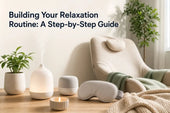
Denne artikel dykker ned i kompleksiteten af stress og dens dybtgående virkninger på både fysisk og mental sundhed. Læsere vil få indsigt i de fysiologiske reaktioner på stress, dens psykologiske implikationer og effektive strategier til stresshåndtering gennem afslapningsteknikker. Ved at forstå disse aspekter kan enkeltpersoner tage proaktive skridt til at forbedre deres generelle velbefindende og dyrke en sundere livsstil.
Indholdsfortegnelse
- Forstå stress: Hvad sker der med din krop
- Fysiologiske reaktioner: Kamp eller flugt
- Tjekliste over stresssymptomer
- Stressens psykologiske indvirkning
- Forbindelsen mellem stress og mental sundhed
- Sociale implikationer: Relationer og kommunikation
- Beslutningsregel for at søge hjælp
- Effektive afslapningsteknikker
- Meditation
- Dyb vejrtrækning
- Progressiv muskelafslapning
- Fordele ved regelmæssig praksis
- Inkorporering af afslapning i daglige rutiner
- Teknologiens rolle i afslapning
- Afslapnings-apps
- Enheder til afslapning
- Balancering af teknologi og naturlige afslapningsmetoder
- Skab et afslappende miljø
- Miljøets betydning for stressniveauer
- Elementer af et afslappende rum
- Personaliseringstips til individuelle præferencer
- Tjekliste til at skabe et afslapningsrum derhjemme
- Vedligeholdelse af langsigtede afslapningsmetoder
- Bygning af en rutine for stresshåndtering
At forstå stress er afgørende for at forbedre det generelle velbefindende. Stress, uanset om den er akut eller kronisk, påvirker både fysisk og mental sundhed betydeligt. Denne artikel udforsker stressens fysiologiske virkninger på kroppen, dens psykologiske implikationer og giver handlingsorienteret indsigt til effektiv stresshåndtering.
Forstå stress: Hvad sker der med din krop
Stress er en naturlig reaktion på udfordrende situationer, men kan blive problematisk, når den vedvarer. Der er to primære typer stress: akut og kronisk. Akut stress er kortvarig og opstår ofte fra specifikke begivenheder som arbejdsfrister eller offentlige taler. I modsætning hertil er kronisk stress langvarig og kan stamme fra vedvarende situationer som økonomiske problemer eller relationsproblemer.

Fysiologiske reaktioner: Kamp eller flugt
Når du står over for stress, gennemgår din krop en række fysiologiske ændringer kendt som "kamp- eller flugt"-reaktionen. Denne mekanisme forbereder dig til at konfrontere eller flygte fra en trussel. Nøgleændringer inkluderer:
- Øget hjertefrekvens
- Øget årvågenhed
- Udskillelse af stresshormoner som adrenalin og kortisol
Selvom disse reaktioner kan være gavnlige på kort sigt, kan kronisk stress føre til alvorlige sundhedsproblemer, herunder:
- Hjertesygdomme
- Højt blodtryk
- Svækket immunforsvar
- Fordøjelsesproblemer
Tjekliste over stresssymptomer
For at identificere dine personlige stressniveauer skal du overveje følgende symptomer:
- Hyppige hovedpiner eller migræne
- Søvnbesvær eller søvnløshed
- Ændringer i appetit
- Følelser af irritabilitet eller vrede
- Mangel på interesse for aktiviteter
At genkende disse symptomer giver dig mulighed for at tage proaktive skridt til at håndtere din stress, før den eskalerer.
Stressens psykologiske indvirkning
Stress påvirker ikke kun vores krop, men også vores mentale sundhed. At forstå denne forbindelse er afgørende for effektiv stresshåndtering.
Forbindelsen mellem stress og mental sundhed
Kronisk stress er tæt forbundet med forskellige psykiske lidelser, herunder angst og depression. Høje stressniveauer kan føre til vedvarende følelser af bekymring, tristhed og håbløshed. Desuden kan stressens kognitive virkninger hæmme din evne til at tænke klart, hvilket påvirker:
- Fokus og koncentration
- Hukommelse
- Beslutningstagningsevner
Disse kognitive svækkelser kan skabe en ond cirkel, hvor stress fører til dårlig præstation, hvilket igen øger stressniveauerne.
Sociale implikationer: Relationer og kommunikation
Stress kan belaste relationer og påvirke kommunikationsevner. Under stress kan individer trække sig fra sociale interaktioner eller blive irritable, hvilket fører til misforståelser og konflikter med venner, familie eller kolleger. At anerkende stressens sociale implikationer er nøglen til at opretholde sunde relationer.
Beslutningsregel for at søge hjælp
Det er afgørende at vide, hvornår man skal søge professionel hjælp til stresshåndtering. Overvej at kontakte en psykolog eller psykiater, hvis du oplever:
- Vedvarende følelser af tristhed eller angst
- Manglende evne til at håndtere daglige forpligtelser
- Tanker om selvskade eller håbløshed
At anerkende disse tegn og søge hjælp kan føre til betydelige forbedringer i mental sundhed og generel velbefindende.
Effektive afslapningsteknikker
Afslapning er afgørende for at opretholde mental og fysisk velvære. At forstå forskellige afslapningsteknikker giver dig mulighed for at håndtere stress effektivt. Her er et overblik over gennemprøvede metoder til at hjælpe dig med at slappe af og genoplade.
Meditation
Meditation er et kraftfuldt afslapningsværktøj, der involverer at fokusere sindet og eliminere distraktioner. Regelmæssig praksis kan føre til reduceret angst og forbedret følelsesmæssig sundhed. Sådan kommer du i gang:
- Find et roligt sted, hvor du ikke bliver forstyrret.
- Sid komfortabelt med ryggen ret.
- Luk øjnene og træk dybt vejret, med fokus på din vejrtrækning, mens den strømmer ind og ud.
- Når dit sind vandrer, skal du forsigtigt bringe dit fokus tilbage til din vejrtrækning.
- Start med kun fem minutter om dagen og øg gradvist varigheden, efterhånden som du bliver mere komfortabel.
Dyb vejrtrækning
Dybe vejrtrækningsøvelser fremmer afslapning ved at sænke din hjertefrekvens og sænke blodtrykket. Her er en enkel guide:
- Inhaler langsomt gennem næsen i fire sekunder.
- Hold vejret i fire sekunder.
- Pust langsomt ud gennem munden i seks sekunder.
- Gentag denne cyklus i fem minutter, med fokus på din vejrtræknings rytme.
Progressiv muskelafslapning
Denne teknik involverer at spænde og derefter slappe af hver muskelgruppe i din krop. Den hjælper dig med at genkende forskellen mellem spænding og afslapning:
- Start ved dine tæer og arbejd dig op til dit hoved.
- Spænd musklerne i dine tæer i fem sekunder, og slap dem derefter af.
- Gå videre til dine lægge, lår, mave og så videre, spænd hver muskelgruppe, før du slapper af.
Fordele ved regelmæssig praksis
Inkorporering af disse afslapningsteknikker i din daglige rutine giver adskillige fordele:
- Reducerer symptomer på angst og depression.
- Forbedrer fokus og koncentration.
- Forbedrer generelt følelsesmæssigt velvære.
Inkorporering af afslapning i daglige rutiner
At finde tid til at slappe af kan virke udfordrende, men at integrere disse teknikker i dit daglige liv er lettere, end du tror. Overvej følgende tips:
- Sæt specifikke tider af til afslapning, f.eks. i frokostpauser eller før sengetid.
- Brug påmindelser på din telefon for at minde dig om at tage et par minutter til at trække vejret eller meditere.
- Par afslapningsteknikker med daglige aktiviteter, som dyb vejrtrækning under pendling eller meditation under en gåtur.
Teknologiens rolle i afslapning
I vores digitale tidsalder kan teknologi i høj grad fremme afslapning. Selvom det er vigtigt at balancere skærmtid med naturlige metoder, kan flere teknologiske værktøjer forbedre din afslapningsoplevelse.
Afslapnings-apps
Adskillige apps er designet til afslapning og meditation og tilbyder guidede meditationer, beroligende musik og påmindelser om at praktisere mindfulness. Populære valg inkluderer:
- Headspace: Tilbyder guidede meditationer til forskellige behov, fra søvn til stresslindring.
- Calm: Indeholder en række afslapningsteknikker, herunder vejrtrækningsøvelser og søvnhistorier.
- Insight Timer: Giver et stort bibliotek af gratis meditationer og afslappende musik.
Enheder til afslapning
Afslapningsenheder kan forbedre din oplevelse. En sådan enhed er øjenmassageren med luftkompression. Dette innovative værktøj kombinerer blidt tryk og varme for at lindre spændinger omkring øjnene, hvilket hjælper med at reducere stress og fremme afslapning. Fordele inkluderer:
- Lindrer øjenbelastning forårsaget af langvarig skærmtid.
- Fremmer bedre søvn ved at afslappe øjenmusklerne før sengetid.
- Forbedrer den generelle afslapning, hvilket gør det til en fremragende tilføjelse til din selvplejerutine.
Balancering af teknologi og naturlige afslapningsmetoder
Selvom teknologi kan hjælpe med afslapning, er det vigtigt at balancere skærmtid med naturlige metoder. Her er nogle tips til at opnå den balance:
- Begræns app-brug til specifikke tidspunkter på dagen, f.eks. morgen eller aften.
- Kombiner teknologibaseret afslapning med naturen, som at meditere udendørs eller bruge en enhed, mens du nyder en park.
- Sæt grænser for teknologibrug, f.eks. ingen skærme en time før sengetid.
Skab et afslappende miljø
At etablere et rum, der fremmer afslapning, er afgørende for effektiv stresshåndtering. Miljøet spiller en betydelig rolle i, hvordan vi reagerer på stressfaktorer, og påvirker vores humør og generelle velbefindende. Her er nøgleelementer at overveje, når du skaber dit afslapningsfristed:
Miljøets betydning for stressniveauer
Dine omgivelser kan enten øge din stress eller hjælpe dig med at slappe af. Et rodet, støjende eller ubehageligt rum kan udløse angst, mens et roligt, organiseret område kan fremme fred. Et afslappende miljø kan sænke kortisolniveauet, hormonet forbundet med stress. At investere tid i dit rum kan give betydelige fordele for din mentale sundhed.
Elementer af et afslappende rum
- Belysning: Blødt, varmt lys er ideelt. Naturligt lys kan forbedre humøret, så overvej at placere dit afslapningsområde nær et vindue. Brug lamper med lysdæmpere eller stearinlys for at skabe en beroligende atmosfære.
- Lyd: Baggrundsstøj kan enten hjælpe eller hindre afslapning. Blød musik, naturlyde eller hvid støj-maskiner kan skabe en beroligende atmosfære. Eksperimenter for at finde ud af, hvad der resonerer med dig.
- Komfort: Vælg komfortable møbler, som hyggelige stole eller puder. Inkorporer bløde tekstiler som tæpper og puder for at øge komforten. Overvej ergonomisk siddeplads, hvis du planlægger at meditere eller udføre afslapningsøvelser.
Personaliseringstips til individuelle præferencer
Dit afslapningsrum bør afspejle din smag og dine præferencer. Her er ideer til at gøre det unikt dit eget:
- Inkorporer farver, der fremmer ro, som blå, grønne eller bløde pastelfarver.
- Tilføj planter eller blomster for at bringe et strejf af natur indendørs. De kan forbedre luftkvaliteten og skabe en fredfyldt atmosfære.
- Brug aromaterapi med æteriske olier eller duftlys for at engagere din lugtesans. Duft som lavendel eller kamille er kendt for deres afslappende egenskaber.
Tjekliste til at skabe et afslapningsrum derhjemme
- Vælg en rolig beliggenhed væk fra distraktioner.
- Ryd op i området og fjern ting, der forårsager stress.
- Sæt komfortable siddepladser op.
- Inkorporer beroligende belysning og lydelementer.
- Tilføj personlige detaljer, der bringer dig glæde, som kunstværker eller minder.
Vedligeholdelse af langsigtede afslapningsmetoder
Når du har etableret et afslappende miljø, er konsistens nøglen til at høste de langsigtede fordele ved afslapningsteknikker. Her er hvordan du opbygger og vedligeholder effektive afslapningsmetoder:
Bygning af en rutine for stresshåndtering
At integrere afslapning i din daglige rutine kan gøre det til en vane snarere end en pligt. Sæt specifikke tidspunkter af til afslapning, enten om morgenen for at starte dagen roligt eller om aftenen for at falde til ro. Overvej følgende:
- Afsæt daglig "mig-tid" til afslapningsaktiviteter.
- Kombiner afslapningsøvelser med andre rutiner, såsom strækøvelser før sengetid.
- Brug påmindelser på din telefon eller kalender for at holde dig ansvarlig.
Sporing af fremskridt og justering af teknikker
Overvågning af dine afslapningsmetoder kan hjælpe dig med at identificere, hvad der virker bedst for dig. Før dagbog eller brug apps til at spore dine stressniveauer og afslapningsoplevelser. Dette giver dig mulighed for at justere dine teknikker efter behov. Overvej disse strategier:
- Bemærk, hvordan du har det før og efter afslapningssessioner for at vurdere effektiviteten.
- Eksperimenter med forskellige teknikker, som dyb vejrtrækning eller brug af en øjenmassager med luftkompression, for at finde det, der giver mest lindring.
- Sæt realistiske mål for din afslapningspraksis, og juster dem, efterhånden som du bliver mere fortrolig med teknikkerne.
Fællesskabsstøtte og ansvarlighed
Engagering med andre kan styrke dit engagement i afslapningsøvelser. Uanset om det er gennem onlinefora, lokale grupper eller venner, kan deling af oplevelser give motivation. Her er nogle måder at opbygge fællesskabsstøtte på:
- Deltag i et kursus eller en workshop med fokus på afslapningsteknikker.
- Find en afslapningsmakker at øve dig med og holde hinanden ansvarlige.
- Del dine fremskridt på sociale medier eller med venner for at inspirere andre.
For at hjælpe dig med at holde styr på tingene kan du overveje at bruge en ugeplanlægningsskabelon, der er dedikeret til dine afslapningsaktiviteter. Dette kan omfatte tidspunkter til meditation, læsning eller brug af en øjenmassager med luftkompression, hvilket sikrer, at du prioriterer dit velbefindende midt i daglige forpligtelser.
Ved at skabe et beroligende miljø og forpligte dig til langvarige afslapningsøvelser kan du markant reducere stressniveauer og forbedre din livskvalitet. Omfavn rejsen mod afslapning og gør det til en givende del af din daglige rutine.
Relateret Produkt

Smart Øjenmassager
Smart Øjenmassager giver en beroligende oplevelse til trætte øjne gennem blid varme, luftkompression og beroligende vibrationer. Den er designet til at hjælpe med at lindre spændinger og træthed, hvilket gør den velegnet til brug derhjemme, under pauser eller som en del af en aftenrutine. Let og bærbar, denne enhed forvandler hverdagsøjeblikke til muligheder for afslapning, ideel til dem, der tilbringer lang tid foran skærme eller har brug for en hurtig måde at slappe af på.
Se produktFordele og ulemper
| Fordele ved at forstå stress | Ulemper ved stress |
|---|---|
| Forbedrer det generelle velbefindende gennem effektiv håndtering. | Kan føre til alvorlige helbredsproblemer som hjertesygdomme. |
| Forbedrer mental klarhed og evnen til at træffe beslutninger. | Kronisk stress er forbundet med angst og depression. |
| Fremmer sunde relationer gennem bedre kommunikation. | Kan forårsage irritabilitet og tilbagetrækning fra sociale interaktioner. |
| Opmuntrer til proaktive mestringsstrategier og afslapningsteknikker. | Kan skabe en cyklus af dårlig præstation og øgede stressniveauer. |
| Bruger teknologi til afslapning, hvilket forbedrer stresslindring. | Overdreven skærmtid kan modvirke afslapningsindsatsen. |
Hvem er det til (og ikke til)
Hvem er det til
- Personer, der oplever vedvarende følelser af tristhed eller angst.
- Dem, der kæmper med at håndtere daglige forpligtelser på grund af stress.
- Mennesker, der ønsker at forbedre deres mentale sundhed og generelle velbefindende.
- Alle, der er interesserede i at lære effektive afslapningsteknikker til stresshåndtering.
- Personer, der ønsker at forbedre deres fokus og koncentration gennem afslapningsøvelser.
Hvem det ikke er til
- Mennesker, der ikke anerkender stress som et væsentligt problem i deres liv.
- Personer, der foretrækker at undgå at søge hjælp til følelsesmæssige eller mentale sundhedsudfordringer.
- Dem, der er uvillige til at investere tid i afslapningsteknikker eller stresshåndteringspraksis.
- Personer, der ikke er åbne for at udforske nye metoder til at forbedre deres mentale sundhed.
- Mennesker, der er tilfredse med deres nuværende mestringsmekanismer og ikke ønsker at ændre sig.
Nøglepunkter
- Typer af stress: Forstå forskellen mellem akut stress (kortvarig) og kronisk stress (langvarig) for bedre at håndtere dine reaktioner.
- Fysiologiske effekter: Anerkend "kæmp-eller-flygt"-reaktionen, som omfatter øget hjertefrekvens og frigivelse af stresshormoner, der kan føre til alvorlige helbredsproblemer, hvis den er kronisk.
- Symptomer på stress: Identificer personlige stresssymptomer som hovedpine, søvnløshed og irritabilitet for at træffe proaktive foranstaltninger.
- Mental sundhedsforbindelse: Vær opmærksom på, at kronisk stress kan føre til psykiske lidelser som angst og depression, hvilket påvirker kognitive funktioner.
- Effektive afslapningsteknikker: Inkorporer praksisser som meditation, dyb vejrtrækning og progressiv muskelafslapning i din rutine for bedre stresshåndtering.
- Skab et afslapningsrum: Design et beroligende miljø med blød belysning, behagelige siddepladser og personlige detaljer for at forbedre afslapningen.
- Fællesskabsstøtte: Engager dig med andre gennem kurser eller grupper for at øge engagementet i afslapningsøvelser og dele erfaringer.