Overview
Finding the right wellness devices can transform your daily routine, especially for women managing multiple responsibilities. From sleep aids to fitness trackers, these tools can enhance physical, mental, and emotional health. By understanding key features and categories, you can choose devices that seamlessly integrate into your lifestyle, helping you achieve your wellness goals effectively.
Table of Contents
- Understanding Wellness Devices
- The Importance of Wellness in Daily Life
- Overview of Different Types of Wellness Devices
- Checklist of Features to Look for in Wellness Devices
- Key Features of Premium Wellness Devices
- Quality of Materials and Design
- User-Friendly Technology
- Integration with Lifestyle and Routines
- Comparison Table of Features to Consider
- Popular Categories of Wellness Devices for Women
- Sleep Aids and Relaxation Devices
- Fitness and Activity Trackers
- Mental Wellness and Mindfulness Tools
- How to Incorporate Wellness Devices into Your Routine
- Setting Realistic Goals
- Creating a Consistent Routine
- Tracking Progress and Adjusting Usage
- Sample Daily Schedule Incorporating Wellness Devices
- Evaluating the Effectiveness of Wellness Devices
- Setting Benchmarks for Success
- Listening to Your Body and Mind
- Adjusting Usage Based on Feedback
- Common Pitfalls to Avoid with Wellness Devices
- Over-reliance on Technology
- Ignoring Personal Preferences and Needs
- Neglecting to Combine Devices with Other Wellness Practices
Finding the right wellness devices can significantly enhance your daily routine, especially for women who juggle multiple responsibilities. If you're asking, Can you recommend premium wellness devices for women that really work?, this guide will explore what wellness devices are, their benefits, and key features to consider when selecting the best options for your needs.
Understanding Wellness Devices
Wellness devices encompass a variety of tools designed to improve overall well-being, focusing on physical, mental, and emotional health. These devices can help manage stress, monitor health, and enhance daily routines.
The Importance of Wellness in Daily Life
Incorporating wellness practices into your life is crucial for maintaining balance and health. Regular use of wellness devices can lead to:
- Improved sleep quality
- Enhanced physical fitness
- Better stress management
- Increased mindfulness and emotional resilience
Women, in particular, can benefit from tailored wellness solutions that cater to their unique needs, fostering a healthier lifestyle.
Overview of Different Types of Wellness Devices
Various categories of wellness devices are available, each designed to address specific aspects of health and wellness:
- Sleep Aids: Devices that promote better sleep, such as sleep masks and sound machines.
- Fitness Trackers: Wearables that monitor physical activity, heart rate, and other health metrics.
- Mental Wellness Tools: Apps and devices that support meditation, relaxation, and mindfulness practices.
Checklist of Features to Look for in Wellness Devices
When searching for premium wellness devices, consider the following features to ensure you choose products that align with your needs:
- Comfort: Look for devices made from soft, breathable materials that are comfortable for extended use.
- Ease of Use: Devices should feature user-friendly technology that integrates seamlessly into your routine.
- Functionality: Ensure the device offers multiple functions, such as tracking sleep patterns or providing guided relaxation.
- Battery Life: A long-lasting battery is essential for devices like wearables that you want to use over extended periods.
- Portability: Consider how easily you can take the device with you, especially if you travel often.
Key Features of Premium Wellness Devices
To find wellness devices that truly work, focus on these key features:
Quality of Materials and Design
High-quality materials ensure durability and comfort. Look for devices that are built to last and designed with the user in mind. For example, the Smart SleepBand features soft, flat speakers built into a lightweight, breathable headband, making it ideal for a peaceful bedtime routine.
User-Friendly Technology
Premium wellness devices should be easy to use, allowing you to focus on your wellness without the frustration of complicated setups. Look for devices with intuitive interfaces, clear instructions, and straightforward connectivity options. Wireless devices, like the Smart SleepBand, eliminate the hassle of tangled wires and enhance the overall experience.
Integration with Lifestyle and Routines
Choose wellness devices that fit seamlessly into your daily life. Whether you’re at home, traveling, or working, the device should enhance your routine rather than disrupt it. For instance, a sleep aid that can be used while meditating or winding down in bed is a valuable addition to your evening ritual.
Comparison Table of Features to Consider
| Feature | Importance | Examples |
|---|---|---|
| Comfort | Essential for prolonged use | Soft materials, ergonomic design |
| Ease of Use | Enhances user experience | Intuitive controls, simple setup |
| Functionality | Increases versatility | Multiple wellness features |
| Battery Life | Critical for convenience | Long-lasting power for wearables |
| Portability | Facilitates use on the go | Compact and lightweight designs |
By focusing on these essential features, you can confidently explore the world of premium wellness devices tailored for women. With the right tools, improving your wellness journey becomes not just possible, but enjoyable.
Popular Categories of Wellness Devices for Women
When considering wellness devices, it's essential to recognize the various categories that cater specifically to women's needs. These devices are designed to enhance overall well-being and can significantly contribute to a healthier lifestyle. Here’s a closer look at the most popular categories:
Sleep Aids and Relaxation Devices
Quality sleep is crucial for physical and mental health. Sleep aids and relaxation devices can help create a calming environment, making it easier to unwind at the end of the day. Here are some types of devices in this category:
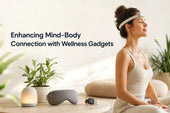
- Smart Sleepbands: These comfortable wearables allow you to listen to calming sounds or guided meditations as you drift off. Designed for comfort, they help eliminate distractions and promote relaxation.
- White Noise Machines: Perfect for blocking out disruptive noises, these machines create a soothing background sound that can improve sleep quality.
- Sleep Trackers: These devices monitor your sleep patterns and provide insights to help you understand your sleep quality better.
Fitness and Activity Trackers
Staying active is a vital component of wellness. Fitness and activity trackers assist women in monitoring their physical activity and motivating them to achieve their fitness goals. Key features of these devices include:
- Heart Rate Monitors: These devices help you keep an eye on your heart rate during workouts, ensuring you stay within your target zone for optimal results.
- Step Counters: Simple yet effective, these trackers encourage you to increase your daily movement and step count.
- Calorie Burn Calculators: Understanding how many calories you burn can help you manage your diet and exercise routine effectively.
Mental Wellness and Mindfulness Tools
In today’s fast-paced world, mental wellness is more important than ever. Devices in this category focus on promoting mindfulness and reducing stress. Here’s what to look for:
- Meditation Apps: Many wellness devices come equipped with apps that guide you through meditation sessions, helping to reduce anxiety and improve focus.
- Breathing Devices: These tools help you practice controlled breathing techniques to manage stress and promote relaxation.
- Mindfulness Journals: Some devices include journaling features that encourage reflection and gratitude, fostering a positive mindset.
When selecting a wellness device, consider your specific needs and goals. This will help you choose the best category that aligns with your lifestyle and wellness objectives.
How to Incorporate Wellness Devices into Your Routine
Integrating wellness devices into your daily life can be transformative. Here are some actionable steps to help you effectively incorporate these tools into your routine:
Setting Realistic Goals
Before diving in, it's essential to set achievable goals. Consider what you want to accomplish with your wellness devices, whether it's improving sleep quality, increasing physical activity, or enhancing mental clarity. Here are some tips for goal-setting:
- Define clear, measurable objectives. For instance, aim to sleep at least 7 hours a night or walk 10,000 steps daily.
- Start small and gradually increase your goals as you become more comfortable with the devices.
- Keep your goals flexible to adapt to changing circumstances in your life.
Creating a Consistent Routine
Establishing a routine is vital for maximizing the benefits of wellness devices. Here’s how to create a consistent practice:
- Designate specific times: Choose particular times of day to use your devices, such as early morning for fitness trackers or evening for sleep aids.
- Pair with existing habits: Integrate your wellness devices with daily activities. For example, use your sleepband while reading before bed or track your steps during your lunch break.
- Stay committed: Consistency is key. Aim to use your devices regularly to establish new habits.
Tracking Progress and Adjusting Usage
Monitoring your progress is essential to understand how well your wellness devices are working for you. Here’s how to effectively track and adjust:
- Utilize apps or journals to log your experiences and results. This can help identify patterns and areas for improvement.
- Review your goals periodically to see if they still align with your current lifestyle and needs.
- Be open to adjusting your usage based on feedback from your body and mind. If something isn't working, don't hesitate to try a different approach.
Sample Daily Schedule Incorporating Wellness Devices
Here’s a sample schedule to illustrate how you can seamlessly integrate wellness devices into your day:
| Time | Activity |
|---|---|
| 7:00 AM | Use a fitness tracker to monitor morning workouts. |
| 12:30 PM | Track steps during your lunch break. |
| 8:00 PM | Listen to calming sounds with a sleepband while winding down. |
| 10:00 PM | Practice mindfulness with a meditation app before sleep. |
By thoughtfully incorporating wellness devices into your routine, you can enhance your overall well-being and achieve your health goals.
Evaluating the Effectiveness of Wellness Devices
When investing in premium wellness devices, it’s essential to evaluate their effectiveness to ensure they deliver the benefits you seek. Here are some actionable steps to assess if a wellness device is working for you:
Setting Benchmarks for Success
Establish clear benchmarks before you start using a wellness device. This could include:
- Specific Goals: Define what you want to achieve. For instance, if you’re using a sleep device, aim to improve your sleep duration or quality.
- Timeframe: Set a reasonable timeframe to evaluate progress—typically, 4 to 8 weeks is a good period for initial assessment.
- Measurement Criteria: Decide how you will measure success. This could be through sleep tracking apps, mood journals, or fitness metrics.
Listening to Your Body and Mind
Pay attention to how your body and mind respond to the device. Consider the following:
- Physical Changes: Are you experiencing fewer headaches, improved energy levels, or better sleep?
- Mental Well-being: Notice any changes in your mood or stress levels. Are you feeling more relaxed or focused?
- Feedback Loops: Keep a journal to document your experiences. This will help you identify patterns and make informed decisions about your wellness journey.
Adjusting Usage Based on Feedback
Flexibility is key when integrating wellness devices into your routine. Here’s how to adapt:
- Tweak Settings: If a device has adjustable settings, experiment with different configurations to find what works best for you.
- Change Usage Frequency: If you’re not seeing results, consider whether you’re using the device often enough or if you need to cut back on usage.
- Seek Professional Advice: If you’re unsure about your progress, consulting with a wellness coach or healthcare professional can provide personalized guidance.
To help you evaluate your wellness device's effectiveness, here’s a simple checklist:
- Have I set clear goals for using this device?
- Am I tracking my progress regularly?
- How do I feel physically and mentally since I started using it?
- Have I made any adjustments based on my experiences?
- What feedback have I received from others about my well-being?
Common Pitfalls to Avoid with Wellness Devices
While wellness devices can significantly enhance your health journey, there are common pitfalls to watch out for:
Over-reliance on Technology
It’s easy to become overly dependent on wellness devices, but remember that they are tools, not replacements for fundamental health practices. Avoid:
- Neglecting physical activities or traditional wellness practices like yoga and meditation.
- Using devices as a sole solution to complex health issues without a holistic approach.
Ignoring Personal Preferences and Needs
Every woman is unique, and what works for one may not work for another. Be mindful of:
- Choosing devices that fit into your lifestyle and preferences. If you dislike wearing something on your wrist, a sleep device might be a better fit.
- Listening to your body’s signals. If a device causes discomfort or stress, it may not be the right choice for you.
Neglecting to Combine Devices with Other Wellness Practices
For optimal results, integrate devices into a broader wellness regimen. Consider:
- Combining sleep devices with good sleep hygiene practices, like maintaining a consistent bedtime and limiting screen time.
- Using fitness trackers alongside a balanced diet and regular physical activity for holistic health management.
Here are some caveats to consider when using wellness devices:
- Don’t expect instant results. Wellness is a journey, and devices are just one part of it.
- Ensure that you’re not sacrificing personal interactions and relationships for technology.
- Be aware of the potential for data overload. Too much information can lead to anxiety rather than clarity.
By being aware of these common pitfalls and actively evaluating the effectiveness of your wellness devices, you can ensure that your investments are truly enhancing your well-being. Embrace the journey, and let your wellness devices work for you!
Linked Product

Smart Sleepband
The Smart SleepBand is a comfortable wearable designed to enhance your bedtime routine with calming sounds, music, and guided relaxation experiences. Its lightweight and breathable design, featuring soft flat speakers, makes it suitable for use in bed, during travel, or while meditating. With wireless connectivity and a long-lasting battery, it offers a practical way to incorporate audio into your evening wellness practices.
View ProductPros and Cons
| Advantages of Wellness Devices | Drawbacks of Wellness Devices |
|---|---|
| Improves sleep quality through specialized aids. | Over-reliance on technology can lead to neglect of traditional wellness practices. |
| Enhances physical fitness with activity tracking. | Some devices may cause discomfort or stress if not suited to individual preferences. |
| Supports mental wellness with meditation and mindfulness tools. | Potential for data overload, leading to anxiety rather than clarity. |
| Encourages consistency in wellness routines. | Initial investment costs can be high for premium devices. |
| Provides insights to help manage stress and health. | Effectiveness may vary from person to person, requiring adjustments. |
Who It's For (And Not For)
Who It's For
- Women juggling multiple responsibilities: If you are a busy woman looking to enhance your daily routine and manage stress effectively, wellness devices can be a valuable addition to your life.
- Health-conscious individuals: Those who prioritize their physical, mental, and emotional health will benefit from the tailored features of premium wellness devices.
- Tech-savvy users: If you enjoy using technology to improve your well-being, devices with user-friendly interfaces and integrated apps will suit your lifestyle.
- Travelers: Women who frequently travel will find portable wellness devices beneficial for maintaining their routines on the go.
Who It's Not For
- Individuals resistant to technology: If you prefer traditional methods for wellness and are uncomfortable using devices, wellness technology may not be the right fit for you.
- Those with limited time: If you struggle to find time for self-care and wellness practices, adding devices may feel overwhelming rather than helpful.
- People seeking instant results: Wellness devices require consistent use over time; if you expect immediate outcomes, you may be disappointed.
- Individuals with specific health conditions: If you have health concerns that require professional guidance, relying solely on wellness devices without consulting a healthcare provider may not be advisable.
Key Takeaways
- Wellness devices enhance daily routines by improving physical, mental, and emotional health, making them particularly beneficial for women with busy lives.
- Types of wellness devices include sleep aids, fitness trackers, and mental wellness tools, each targeting specific health aspects.
- Key features to consider when selecting devices are comfort, ease of use, functionality, battery life, and portability.
- Effective integration of wellness devices into daily life involves setting realistic goals, creating a consistent routine, and tracking progress.
- Evaluate device effectiveness by setting benchmarks, listening to your body, and adjusting usage based on feedback.
- Avoid common pitfalls such as over-reliance on technology, neglecting personal preferences, and failing to combine devices with other wellness practices.
- Wellness is a journey; devices are tools that should complement holistic health practices rather than replace them.