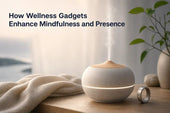
This article delves into the practice of mindful breathing and its benefits for mental and physical well-being. Readers will learn how to effectively incorporate mindful breathing into their daily routines, explore various gadgets and technologies that can enhance their practice, and discover tips for creating a calming environment. By understanding these elements, individuals can optimize their mindfulness journey and foster a greater sense of relaxation and awareness.
Table of Contents
- Understanding Mindful Breathing
- Mindful Breathing Techniques Checklist
- The Role of Technology in Mindfulness
- Types of Mindfulness Technology
- Gadgets to Optimize Your Breathing Technique
- Types of Gadgets Available
- How These Gadgets Can Improve Breathing Techniques
- User Experiences and Testimonials
- Incorporating Sleep Headphones into Your Routine
- Benefits of Using Sleep Headphones for Mindful Breathing
- How to Integrate Them into Your Nightly Routine
- Different Types of Audio Content to Use
- Creating a Personalized Mindful Breathing Space
- Importance of a Calming Environment
- Elements to Include
- How Gadgets Can Enhance This Space
- Maintaining Consistency in Your Practice
- Setting Realistic Goals for Practice
- Using Technology to Track Progress
- Finding Community Support
Mindful breathing is a powerful tool that can significantly enhance your mental and physical well-being. By focusing on your breath, you cultivate a sense of calm and awareness that can permeate your daily life. With the right gadgets, you can optimize your breathing techniques and make mindfulness an integral part of your routine. This article explores the essentials of mindful breathing and how technology can enhance your practice.
Understanding Mindful Breathing
Mindful breathing involves paying purposeful attention to your breath. This practice offers numerous benefits, including:

- Reduced Stress: Mindful breathing can lower cortisol levels, helping you manage stress more effectively.
- Increased Focus: It enhances concentration and mental clarity, making it easier to tackle daily tasks.
- Improved Physical Health: Regular practice can lower blood pressure and improve lung function.
Incorporating mindful breathing into your daily routine can be as simple as taking a few moments throughout the day to focus on your breath. Here’s a quick checklist to help you practice:
Mindful Breathing Techniques Checklist
- Find a comfortable position—sitting or lying down.
- Close your eyes and take a deep breath in through your nose.
- Hold your breath for a moment.
- Exhale slowly through your mouth, focusing on the sensation of your breath.
- Repeat for five minutes or longer, allowing your mind to settle.
The Role of Technology in Mindfulness
Technology can significantly enhance your mindfulness journey. With a plethora of mindfulness apps and devices available, integrating mindful breathing into your life becomes easier. Here are some key benefits of using gadgets for guided breathing:
- Structured Guidance: Many apps provide guided sessions that help you maintain focus and improve your technique.
- Progress Tracking: Wearable devices can track your breathing patterns and provide feedback, helping you improve over time.
- Accessibility: You can practice mindful breathing anywhere, whether at home, work, or on the go.
Types of Mindfulness Technology
When exploring mindfulness technology, consider the following types:
| Type | Description | Examples |
|---|---|---|
| Apps | Mobile applications that guide users through breathing exercises and meditation. | Calm, Headspace |
| Wearables | Devices that monitor breathing patterns and provide real-time feedback. | Smart SleepBand, fitness trackers |
| Smart Speakers | Voice-activated devices that can play calming sounds or guided meditations. | Amazon Echo, Google Home |
While technology can be a great aid, it’s essential to use it wisely. Over-reliance on gadgets can detract from the essence of mindfulness. Strive to find a balance where technology supports your practice rather than overwhelms it.
Gadgets to Optimize Your Breathing Technique
Incorporating technology into your mindfulness practice can significantly enhance your breathing techniques. Various gadgets cater to different preferences and styles of mindfulness. Here’s a closer look at the types of gadgets that can aid in mindful breathing and how they can improve your practice.
Types of Gadgets Available
The market offers a variety of gadgets for mindful breathing, including:
- Wearables: These devices track your breathing patterns and offer real-time feedback. They often come equipped with sensors that monitor heart rate and stress levels, helping you understand how your body responds during breathing exercises.
- Apps: Numerous mindfulness apps are designed specifically for guided breathing, featuring audio instructions, visual cues, and timers to keep you focused.
- Sleep Headphones: These devices create a serene atmosphere by allowing you to listen to calming sounds or guided meditations, enhancing your relaxation and breathing techniques.
How These Gadgets Can Improve Breathing Techniques
Using gadgets designed for mindful breathing can lead to several improvements in your practice:
- Guided Sessions: Many apps and devices offer guided breathing sessions that help you learn and practice different techniques effectively.
- Feedback and Tracking: Wearables provide valuable insights into your breathing patterns, helping you identify areas for improvement and track your progress over time.
- Enhanced Focus: Gadgets that incorporate soothing sounds or music can help eliminate distractions, allowing you to concentrate fully on your breathing.
User Experiences and Testimonials
Users often report positive outcomes from integrating gadgets into their mindful breathing routines, highlighting:
- Increased awareness of breathing patterns.
- Improved ability to relax and manage stress.
- Greater consistency in practicing mindfulness techniques.
When considering which gadget to incorporate into your practice, think about your personal preferences and goals. A decision rule to guide your choice could include:
- Assessing your primary need: Do you want guidance, tracking, or soothing audio?
- Considering your lifestyle: Are you looking for something portable for travel or a device that can be used at home?
- Evaluating ease of use: Opt for a gadget that fits seamlessly into your routine.
Incorporating Sleep Headphones into Your Routine
Sleep headphones can play a pivotal role in enhancing your relaxation and breathing during mindful practices. Here’s how to effectively integrate them into your nightly routine.
Benefits of Using Sleep Headphones for Mindful Breathing
Using sleep headphones can significantly enhance your mindfulness experience:
- Comfortable Listening: Unlike traditional headphones, sleep headphones are designed for comfort, making them ideal for use while lying down.
- Soothing Audio: You can listen to calming playlists, meditation guides, or sleep-focused sounds that promote relaxation and help you focus on your breath.
- Wireless Convenience: Many models offer wireless connectivity, allowing you to move freely without the hassle of tangled cords.
How to Integrate Them into Your Nightly Routine
Incorporating sleep headphones into your routine can be simple and effective. Follow this step-by-step guide:
- Choose Your Audio: Select calming music, guided breathing exercises, or ambient sounds that resonate with you.
- Set a Timer: Use the timer feature on your audio device or app to ensure you’re not listening all night, which can disrupt your sleep.
- Create a Relaxing Environment: Dim the lights and find a comfortable position in bed before starting your audio.
- Practice Mindful Breathing: As you listen, focus on your breath. Inhale deeply through your nose, hold for a moment, and exhale slowly through your mouth.
- Reflect: After your session, take a few moments to reflect on how you feel. This can help solidify the benefits of your practice.
Different Types of Audio Content to Use
To maximize the benefits of sleep headphones, consider varying the audio content you use:
- Guided Meditations: These can provide structured breathing techniques and help you stay focused.
- Nature Sounds: Sounds like rain, ocean waves, or forest ambiance can promote relaxation and enhance your breathing experience.
- Calming Music: Soft instrumental music can create a soothing atmosphere, perfect for winding down.
By thoughtfully integrating sleep headphones into your mindful breathing routine, you can create a tranquil environment that fosters relaxation and enhances your overall well-being.
Creating a Personalized Mindful Breathing Space
Establishing a calming environment is crucial for enhancing your mindful breathing practice. A well-designed space can significantly impact your ability to relax and focus. Here are some key elements to consider when creating your personalized mindful breathing sanctuary:
Importance of a Calming Environment
A calming environment helps reduce stress and distractions, allowing you to concentrate on your breathing techniques. By curating a space that promotes tranquility, you can enhance your overall mindfulness experience. Here are a few reasons why your environment matters:
- Reduces distractions: An organized and serene space minimizes interruptions, enabling deeper focus.
- Enhances relaxation: A calming atmosphere can lower anxiety levels, making it easier to engage in mindful breathing.
- Encourages consistency: A designated space can signal to your brain that it’s time to unwind and practice mindfulness.
Elements to Include
When setting up your mindful breathing space, consider incorporating the following elements:
- Lighting: Soft, adjustable lighting can create a soothing ambiance. Consider using dimmable lights or candles to set the mood.
- Sound: Gentle background sounds can enhance relaxation. This is where sleep headphones come into play. They allow you to enjoy calming audio, such as nature sounds, meditation tracks, or guided breathing exercises, without disturbing your environment.
- Comfort: Invest in comfortable seating or cushions. A cozy chair or yoga mat can make a significant difference in your practice.
- Decor: Personal touches, such as plants or artwork that inspire calmness, can enhance your space's overall feel.
How Gadgets Can Enhance This Space
Incorporating technology thoughtfully can elevate your mindful breathing experience. Here are a few ways gadgets can support your practice:
- Smart SleepBand: This wearable device can help create a peaceful bedtime routine by delivering calming sounds and guided relaxation experiences. It’s designed for comfort, allowing you to unwind without the discomfort of traditional headphones.
- Mindfulness Apps: Various apps offer guided breathing exercises and meditations, making it easier to stay focused and track your progress.
- Ambient Sound Machines: These devices can fill your space with soothing sounds, creating a serene backdrop for your practice.
By thoughtfully incorporating these elements and gadgets, you can create a personalized mindful breathing space that enhances your ability to relax and engage in mindfulness practices.
Maintaining Consistency in Your Practice
Consistency is key to reaping the full benefits of mindful breathing. Here are strategies to help you make mindful breathing a regular part of your routine:
Setting Realistic Goals for Practice
Start by establishing achievable goals. Setting yourself up for success is vital. Here are some tips:
- Begin small: Start with just a few minutes of mindful breathing each day, gradually increasing the duration as it becomes easier.
- Create a schedule: Designate specific times for your practice, whether it’s in the morning, during lunch, or before bed.
- Be flexible: Life can be unpredictable. If you miss a session, don’t be hard on yourself; simply return to your practice when you can.
Using Technology to Track Progress
Utilizing technology can help you stay on track and monitor your mindfulness journey:
- Apps for tracking: Many mindfulness apps offer features to log your practice sessions, helping you visualize your progress over time.
- Reminders: Set reminders on your phone or smart devices to prompt you to engage in your mindful breathing practice.
- Community features: Some apps include community support, allowing you to connect with others who share similar goals.
Finding Community Support
Connecting with others can provide motivation and accountability:
- Join local groups: Look for mindfulness or meditation groups in your area that meet regularly.
- Online forums: Engage with online communities that focus on mindfulness. Sharing experiences can enhance your practice.
- Workshops and classes: Participate in workshops or classes that focus on mindfulness techniques, providing both instruction and community.
By setting realistic goals, leveraging technology, and finding community support, you can maintain consistency in your mindful breathing practice and enjoy the numerous benefits it offers.
With the right environment and consistent practice, you can transform your mindful breathing into a powerful tool for relaxation and personal growth. Start today and watch how these small changes can lead to significant improvements in your overall well-being.
Linked Product

Smart Sleepband
The Smart SleepBand enhances your bedtime routine by providing a comfortable way to listen to calming sounds, music, or guided relaxation experiences. Its soft flat speakers and breathable design ensure comfort while resting, making it suitable for use in bed, during travel, or while meditating. With wireless connectivity and a long-lasting battery, this wearable allows you to enjoy your favorite audio effortlessly, promoting a peaceful evening ritual.
View ProductPros and Cons
| Advantages of Mindful Breathing | Drawbacks of Mindful Breathing |
|---|---|
| Reduced Stress: Lowers cortisol levels, aiding in stress management. | Over-reliance on Technology: Excessive dependence on gadgets may detract from the essence of mindfulness. |
| Increased Focus: Enhances concentration and mental clarity. | Initial Learning Curve: It may take time to effectively practice mindful breathing techniques. |
| Improved Physical Health: Regular practice can lower blood pressure and improve lung function. | Distraction Potential: Gadgets can sometimes introduce distractions rather than eliminate them. |
| Accessibility: Can be practiced anywhere, making it easy to integrate into daily life. | Cost of Gadgets: Some mindfulness technology can be expensive, posing a barrier for some users. |
Who It's For (And Not For)
Who It's For
- Individuals Seeking Stress Relief: If you are looking to manage stress and anxiety effectively, mindful breathing can be a valuable tool.
- Those Wanting to Improve Focus: Mindful breathing can enhance concentration and mental clarity, making it ideal for students or professionals.
- Health-Conscious Individuals: If you aim to improve your physical health, incorporating mindful breathing can lower blood pressure and improve lung function.
- Tech-Savvy Mindfulness Practitioners: If you enjoy using gadgets and apps to enhance your mindfulness practice, this approach will resonate with you.
Who It's Not For
- People Resistant to Technology: If you prefer traditional methods of mindfulness without the use of gadgets, this approach may not suit you.
- Those Seeking Immediate Results: Mindful breathing is a gradual practice; if you are looking for quick fixes, this may not meet your expectations.
- Individuals with Severe Anxiety or Panic Disorders: If you experience severe anxiety, it's best to consult a professional rather than relying solely on self-guided techniques.
- Those Lacking Time for Consistency: If you cannot commit to regular practice, you may not experience the full benefits of mindful breathing.
Key Takeaways
- Mindful breathing reduces stress by lowering cortisol levels, helping to manage anxiety effectively.
- Improves focus and mental clarity, making it easier to tackle daily tasks with enhanced concentration.
- Technology can enhance your practice through guided sessions and progress tracking using apps and wearables.
- Creating a calming environment is essential for effective mindful breathing, as it minimizes distractions and promotes relaxation.
- Incorporating sleep headphones can enhance your mindfulness experience by providing soothing audio for relaxation.
- Consistency is key to reaping the benefits of mindful breathing; set realistic goals and create a regular practice schedule.
- Community support can motivate you to maintain your practice, whether through local groups or online forums.