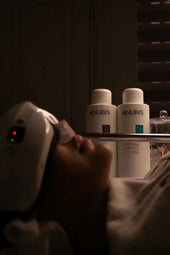
Selvpleje er nu afgørende, drevet af fremskridt inden for wellness-teknologi. Nøgle-trends inkluderer bærbare enheder til personlig sundhedsovervågning, spa-behandlinger derhjemme for bekvemmelighed, mindfulness-apps til mentalt velvære, AI-drevne sundhedsassistenter til skræddersyet rådgivning, gamification for at øge engagementet og ernæringsteknologi for bedre kosthåndtering. Fællesskabsstøtte er afgørende på selvpleje-rejsen. At omfavne disse innovationer kan omdanne personlige wellness-praksisser til mere effektive og givende oplevelser.
Indholdsfortegnelse
- Fremkomsten af bærbare wellness-enheder
- Hvordan bærbare enheder ændrer selvpleje
- Bekvemmeligheden ved spa-behandlinger derhjemme
- At skabe et spa-lignende miljø derhjemme
- Mindfulness- og mental wellness-apps
- Topfunktioner i mental wellness-apps
- AI-drevne personlige sundhedsassistenter
- Fordelene ved AI inden for selvpleje
- Gamification af wellness
- Hvordan gamification motiverer brugere
- Betydningen af ernæringsteknologi
- Ernæringsværktøjer på fremmarch
- Fællesskabets rolle inden for selvpleje
- Opbygning af autentiske forbindelser online
- Fremadblik: Fremtiden for selvpleje
- Omfavn forandringen
Selvpleje er gået fra at være en luksus til en nødvendighed. Efterhånden som folk søger måder at håndtere stress og forbedre deres generelle velbefindende på, spiller wellness-teknologi en integreret rolle. Fra innovative enheder til mobilapplikationer er fremtiden for selvpleje lys og viser spændende tendenser, der vil forandre den måde, vi tilgår vores personlige sundhed på. Lad os dykke ned i disse nye tendenser inden for wellness-teknologi og udforske deres potentielle indvirkning.
Fremkomsten af bærbare wellness-enheder
Bærbar teknologi er ikke længere begrænset til fitness-tracking. Innovationer som Smart Sleepband har gjort det muligt at overvåge søvnmønstre, registrere stressniveauer og endda give beroligende lydlandskaber for at forbedre søvnkvaliteten. Disse enheder bruger avancerede algoritmer til at analysere data og hjælper brugere med at forstå deres kroppe bedre og tilpasse deres selvplejerutiner i overensstemmelse hermed.
Hvordan bærbare enheder ændrer selvpleje
Bærbare enheder giver feedback i realtid og baner vejen for mere personlige wellness-rejser. Disse gadgets opmuntrer brugere til at være i kontakt med deres kroppe og genkende, når de har brug for hvile eller afslapning. Efterhånden som selvpleje fortsætter med at integreres problemfrit i dagligdagen, kan vi forvente, at wearables bliver essentielle værktøjer til at håndtere fysisk og mental velvære.
Bekvemmeligheden ved spa-behandlinger derhjemme
COVID-19-pandemien har presset mange til at søge wellness-løsninger hjemmefra, hvilket har ført til fremkomsten af spa-behandlinger derhjemme. Genstande som massagepistolen har vundet popularitet for deres evne til at lindre muskelspændinger og fremme restitution uden behov for en terapeut. Brugere kan bringe spa-oplevelsen ind i komforten af deres eget hjem, hvilket gør selvpleje mere tilgængelig end nogensinde.
At skabe et spa-lignende miljø derhjemme
- Skab en afslappende atmosfære: Dæmp lyset, tænd nogle stearinlys og spil blid musik.
- Inkorporer aromaterapi: Æteriske olier kan forbedre dit humør og øge afslapningen.
- Invester i kvalitetsværktøjer: Produkter som en massagepistol kan forbedre din spa-oplevelse ved at give professionel afslapning.
Ved at skabe et beroligende miljø kan enkeltpersoner fordybe sig fuldt ud i deres selvplejeritualer, hvilket forstærker forbindelsen mellem sind og krop.
Mindfulness- og mental wellness-apps
Den stigende vægt på mental sundhed har ført til en bølge af mindfulness-apps, der har til formål at guide brugere gennem meditation, åndedrætsøvelser og stresshåndteringsteknikker. Disse platforme understreger vigtigheden af mental klarhed og følelsesmæssigt velvære som grundlæggende komponenter i selvpleje.
Topfunktioner i mental wellness-apps
- Guidede meditationer: Trin-for-trin-instruktioner hjælper brugere med at komme i gang med mindfulness-praksisser.
- Fremdriftsovervågning: Brugere kan overvåge deres mindfulness-rejse og fejre milepæle.
- Fællesskab og support: Mange apps tilbyder mulighed for at komme i kontakt med andre på lignende rejser.
Tilgængelighed er nøglen; med mange ressourcer lige ved hånden er mental wellness-apps førende i at fremme en mere afbalanceret livsstil.
AI-drevne personlige sundhedsassistenter
Kunstig intelligens (AI) gør store fremskridt inden for personlig sundhedspleje. Fra at give anbefalinger baseret på brugerdata til at skabe skræddersyede wellness-planer er AI-drevne sundhedsassistenter klar til at revolutionere den måde, vi tilgår selvpleje på. Disse smarte løsninger kan analysere enorme mængder data, forstå individuelle vaner og foreslå justeringer for forbedrede sundhedsresultater.
Fordelene ved AI inden for selvpleje
At bruge AI inden for wellness betyder, at brugere kan modtage personlig rådgivning 24/7, besvare spørgsmål og guide dem mod sundere valg. Forestil dig at have en virtuel assistent, der ikke kun sporer dine fitnessmål, men også tilbyder kostforslag baseret på dine præferencer og sundhedsproblemer.
Gamification af wellness
Efterhånden som folk i stigende grad søger engagerende og dynamiske måder at forbedre deres helbred på, puster gamification nyt liv i selvpleje. Ved at inkorporere elementer fra gaming i wellness-praksisser, omdanner brands kedelige aktiviteter til spændende udfordringer. Denne tendens tiltrækker ikke kun fitnessentusiaster, men også dem, der måske har brug for ekstra motivation i deres selvplejerutiner.
Hvordan gamification motiverer brugere
- Belønningssystemer: Når brugere udfører opgaver, kan de optjene point, badges eller rabatter, hvilket gør deres oplevelse mere tilfredsstillende.
- Fællesskabsengagement: Mange platforme giver brugere mulighed for at konkurrere eller samarbejde med venner, hvilket fremmer støtte og opmuntring.
- Brugervenlige grænseflader: Interaktive designs gør sporing af fremskridt sjov og brugervenlig.
Integrationen af spilmekanik i wellness baner vejen for en mere levende og engagerende måde at prioritere sundhed på.
Betydningen af ernæringsteknologi
Når vi anlægger en holistisk tilgang til selvpleje, spiller ernæring en afgørende rolle for vores generelle velvære. Nye teknologier hjælper enkeltpersoner med at styre deres kost mere effektivt og sikre, at de får en afbalanceret ernæring, der er skræddersyet til deres unikke behov.
Ernæringsværktøjer på fremmarch
- Smarte ernærings-trackere: Disse enheder og apps gør det muligt for brugere at logge deres måltider og næringsstoffer uden besvær.
- Tilpasset måltidsplanlægning: AI-genererede måltidsplaner baseret på personlige mål kan hjælpe med at strømline kostvalg.
- Augmented Reality Shopping: AR kan forbedre indkøbsoplevelserne ved at hjælpe brugere med at vælge sunde muligheder, mens de navigerer i gangene.
Efterhånden som ernæringsteknologien fortsætter med at udvikle sig, vil folk lettere kunne adoptere sundere spisevaner, der understøtter deres generelle selvplejerutiner.
Fællesskabets rolle inden for selvpleje
At dele erfaringer og komme i kontakt med andre forbedrer selvplejerejsen. Onlinefællesskaber centreret omkring wellness har oplevet en eksponentiel vækst og tilbyder fora, hvor enkeltpersoner kan diskutere deres udfordringer og succeser, dele tips og støtte hinanden i deres stræben efter sundhed.
Opbygning af autentiske forbindelser online
Fællesskabsdrevne platforme fremmer en følelse af tilhørsforhold. Brugere kan interagere med ligesindede, lære af hinandens erfaringer og motivere sig selv til at forblive engagerede i deres selvplejemål. Uanset om det er gennem sociale mediegrupper, fora eller wellness-baserede apps, kan støtten fra et fællesskab betydeligt forbedre selvplejeoplevelsen.
Fremadblik: Fremtiden for selvpleje
Fremtiden for selvpleje ligger i at omfavne teknologi, der forbedrer vores liv, samtidig med at vi prioriterer fysisk og mental velvære. Med bærbare enheder som Smart Sleepband, massageværktøjer som massagepistolen og et væld af wellness-apps har enkeltpersoner et helt værktøjssæt til rådighed. Efterhånden som teknologien fortsætter med at udvikle sig, kan vi forvente endnu mere innovative løsninger, der forenkler selvpleje og gør den til en integreret del af hverdagen.
Mens vi bevæger os fremad, er én ting klar: selvpleje er essentielt for et afbalanceret liv. Uanset om det er teknologiske fremskridt eller fællesskabsstøtte, forbliver essensen af selvpleje den samme – at tage tid til os selv. Det er tid til at omfavne disse tendenser og de værktøjer, der vil løfte vores personlige wellness-rejser.
Omfavn forandringen
Når vi træder ind i en spændende æra for selvpleje, skal du holde et åbent sind for de uendelige muligheder, som teknologien giver. Rejsen med selvopdagelse og sundhedsstyring er en løbende proces, og med de rigtige værktøjer og fællesskab er der ingen grænser for, hvad du kan opnå. Begynd at udforske disse tendenser, og se, hvordan de forvandler din selvplejerutine til en mere personlig og tilfredsstillende oplevelse.
Fordele og ulemper
| Fordele ved wellness-teknologi | Ulemper ved wellness-teknologi |
|---|---|
| Forbedrer selvbevidsthed gennem feedback i realtid. | Kan føre til overdreven afhængighed af teknologi for velvære. |
| Tilbyder personaliserede wellness-planer skræddersyet til individuelle behov. | Potentielle bekymringer vedrørende privatlivets fred med dataindsamling. |
| Øger tilgængeligheden til selvplejerutiner derhjemme. | Kan være overvældende på grund af det store udbud af tilgængelige muligheder. |
| Opmuntrer til fællesskabsstøtte og delte oplevelser. | Gamification kan distrahere fra ægte wellness-mål. |
| Fremmer bedre ernæringsstyring gennem teknologi. | Kvaliteten af information kan variere på tværs af platforme. |
Hvem det er for (og ikke for)
Hvem det er for
- Personer, der søger stresslindring: Hvis du leder efter effektive måder at håndtere stress og forbedre dit generelle velvære på, kan wellness-teknologi give dig de værktøjer, du har brug for.
- Teknisk kyndige brugere: Dem, der er fortrolige med at bruge gadgets og apps, vil finde wellness-teknologi let at integrere i deres daglige rutiner.
- Personer, der er engagerede i selvpleje: Hvis du prioriterer dit helbred og er villig til at investere tid og ressourcer i selvpleje, kan disse nye tendenser betydeligt forbedre din oplevelse.
- Fitnessentusiaster: Hvis du nyder at spore dine sundhedsmålinger og deltage i wellness-udfordringer, kan gamification og bærbare enheder tilføje et sjovt element til din rutine.
Hvem det ikke er for
- Dem, der er resistente over for teknologi: Hvis du foretrækker traditionelle selvplejemetoder og er utilpas med at bruge gadgets eller apps, er wellness-teknologi måske ikke noget for dig.
- Personer med begrænset interesse i selvpleje: Hvis selvpleje ikke er en prioritet i dit liv, vil fordelene ved wellness-teknologi måske ikke appellere til dig.
- Personer, der søger øjeblikkelige løsninger: Hvis du forventer hurtige løsninger uden at engagere dig i værktøjerne og praksisserne, vil wellness-teknologi måske ikke opfylde dine forventninger.
- Budgetbevidste forbrugere: Hvis du ikke er villig til at investere i enheder eller apps, kan omkostningerne forbundet med wellness-teknologi være en barriere.
Nøglepunkter
- Bærbare enheder: Innovationer som Smart Sleepband overvåger søvn, stressniveauer og giver personlig feedback for bedre selvpleje.
- Spa-behandlinger derhjemme: Fremkomsten af produkter som massagepistoler gør det muligt for enkeltpersoner at nyde spa-lignende oplevelser hjemmefra, hvilket øger tilgængeligheden til selvpleje.
- Mindfulness-apps: Disse platforme guider brugere gennem meditation og stresshåndtering og understreger vigtigheden af mental velvære.
- AI-sundhedsassistenter: AI-teknologi tilbyder personaliserede sundhedsanbefalinger og wellness-planer, hvilket revolutionerer selvplejehåndteringen.
- Gamification: Inkorporering af spil-lignende elementer i wellness-praksisser gør selvpleje mere engagerende og motiverer brugere gennem belønninger og fællesskabsstøtte.
- Ernæringsteknologi: Smarte trackere og AI-genererede måltidsplaner hjælper brugere med at styre deres kost effektivt og fremmer en afbalanceret ernæring.
- Fællesskabsstøtte: Online velværefællesskaber giver motivation og delte oplevelser, hvilket forbedrer rejsen mod egenomsorg.