Creating a personal relaxation space at home is essential for reducing stress and enhancing well-being. Choose a quiet, well-lit area, prioritize comfort and soothing colors, and incorporate elements like aromatherapy and personal touches. Establish a routine to use the space regularly, and avoid clutter to maintain tranquility. Your relaxation sanctuary can significantly improve your mental clarity and overall quality of life.
Table of Contents
- Understanding the Need for Space
- Choosing the Right Location
- Natural Light
- Accessibility
- Quietness
- Designing Your Space
- Comfort First
- Soft Color Palette
- Introducing Aroma
- Personal Touches
- Artwork and Decor
- Textiles and Layers
- Plants and Nature Elements
- Creating Your Relaxation Routine
- Set a Schedule
- Mindfulness Practices
- Limit Distractions
- Fostering a Peaceful Atmosphere
- Sound Elements
- Lighting Options
- Integration of Technology
- Personalizing Through Senses
- Texture
- Fragrance
- Visual Elements
- Common Pitfalls to Avoid
- Over-Cluttering the Space
- Ignoring Functionality
- Sticking with One Look
- Making Your Relaxation Space Work for You
- Be Consistent
- Invite and Share
- Reflect and Adjust
- Your Ultimate Retreat Awaits
Creating a personal relaxation space at home can be a transformative experience. In today’s fast-paced world, having a dedicated area where you can unwind, rejuvenate, and escape from stress is essential. This blog post will guide you through the steps to design your personal retreat, highlighting the importance of ambiance and comfort while integrating the soothing properties of a diffuser with flame effect. Get ready to create your sanctuary of peace!
Understanding the Need for Space
Your home should be a refuge. But with daily life’s chaos, turning a corner of your home into a calming sanctuary might seem overwhelming. Here’s why a personal relaxation space can drastically enhance your well-being:
- Reduce Stress: A designated area for relaxation helps reduce anxiety and promote mental clarity.
- Enhance Creativity: Sometimes a little peace is all you need to spark new ideas.
- Boost Productivity: Recharging in a tranquil environment can prep you for a productive day.
Choosing the Right Location
The first step in creating your personal relaxation space is selecting the perfect spot. Here are some factors to consider:
Natural Light
Choosing a location with ample natural light can elevate your mood and encourage mindfulness. A sunny corner of your living room or a cozy nook beneath a window is ideal. Utilize sheer curtains to filter light gently while maintaining privacy.
Accessibility
Your relaxation space should ideally be easily accessible. If you envision a quiet area for meditation or reading, it should be near where you spend most of your time yet separate enough to provide tranquility.
Quietness
Look for a quiet area away from the bustle of household activities. Whether it’s a corner of your bedroom or a space in the basement, peace is vital in fostering deep relaxation.
Designing Your Space
Once you’ve decided on a location, it’s time to think about design! This is where your creativity can shine. Here are a few tips:
Comfort First
Start with comfortable furniture—a cozy chair, a soft bean bag, or even a yoga mat can work wonders. The aim is to create a space that invites you to sit, relax, and breathe. Consider layering rugs to add warmth and comfort as well.
Soft Color Palette
Colors can dramatically influence our mood. Opt for soothing and calming colors like gentle blues, greens, or soft neutrals. These colors create a serene atmosphere and can be incorporated through paint, furniture, and accessories.
Introducing Aroma
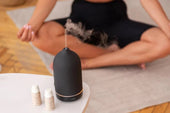
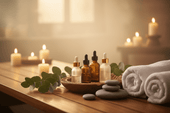
Aromatherapy plays a significant role in relaxation. Integrating a diffuser with flame effect can add not only a beautiful visual appeal but also fill the air with calming fragrances. Essential oils like lavender, chamomile, and eucalyptus can soothe your mind and help you unwind. Allow the flickering flame effect to create a cozy, inviting glow, enhancing the overall ambiance.
Personal Touches
Your space should reflect your personality and what brings you joy. Here are ways to add personal touches:
Artwork and Decor
Choose art and decor that inspire calmness. This could be a favorite painting, an inspiring quote framed on the wall, or simple plants that add life to your relaxation spot without overwhelming the senses.
Textiles and Layers
cushions, throws, and soft blankets create a warm, inviting environment. Mix different textures to add comfort—think knitted throws over smooth loungers, or a plush rug underfoot.
Plants and Nature Elements
Bringing nature indoors can invigorate your spirit. Consider incorporating indoor plants, flowers, or even a small fountain. A touch of greenery can filter the air and add life, making your area feel fresh and vibrant.
Creating Your Relaxation Routine
Now that you have the space, it’s time to establish a routine that incorporates it into your daily life:
Set a Schedule
Plan specific times in your week to visit your relaxation oasis. Be intentional about creating space for yourself amidst everyday responsibilities.
Mindfulness Practices
Incorporate mindfulness or meditation practices into your routine. Simple breathing exercises, yoga, or guided meditation can help you get the most out of your relaxation space.
Limit Distractions
To truly unwind, try to minimize distractions during your relaxation time. Leaving your phone in another room or turning off electronic devices can help you fully immerse yourself in the moment.
Fostering a Peaceful Atmosphere
Additional elements can enhance the serenity of your relaxation space:
Sound Elements
Gentle background music, nature sounds, or a digital sound machine can help create a peaceful backdrop. Experiment with different sounds to see what resonates with you.
Lighting Options
In addition to your diffuser with flame effect, think about adding dimmable lights or fairy lights to create a gentle glow in the evening. Soft, warm lighting can greatly influence the mood of the space.
Integration of Technology
If you enjoy guided meditations or calming podcasts, integrating technology can support your relaxation efforts. You might consider adding speakers or a tablet to keep all your uplifting materials accessible.
Personalizing Through Senses
The senses play a powerful role in relaxation. Think about how you can personalize your space further:
Texture
Incorporate various textures through pillows and throws. Soft cotton, silky fabrics, or even chunky knit textures can evoke different feelings, giving your space depth.
Fragrance
Your diffuser with flame effect can disperse essential oils that resonate with you, be it calming lavender or invigorating citrus. Experiment with different combinations to find your perfect scent!
Visual Elements
Position decor in a way that draws your eye and creates visual tranquility. Consider a simple arrangement of books and a lovely plant on a shelf. Limit visual clutter to maintain a serene ambiance.
Common Pitfalls to Avoid
Creating a personal relaxation space should be enjoyable. Here are a few common pitfalls to avoid:
Over-Cluttering the Space
While it’s tempting to fill your relaxing corner with items you love, too many things can lead to chaos rather than calm. Keep it simple; less is often more.
Ignoring Functionality
Your space should not only look good but also work for you. If you tend to meditate, include a cushion; if you read, make sure you have good lighting. Think about how you will use the area.
Sticking with One Look
Your relaxation space might grow with you! Allow it to evolve with your tastes and preferences. Don't hesitate to update the decor or the arrangement as your lifestyle changes.
Making Your Relaxation Space Work for You
After creating your relaxation sanctuary, it’s crucial to make frequent use of it. Here are ways to maximize its benefits:
Be Consistent
Your relaxation area is not just a one-time effort. Regularly utilize this space to foster a calming routine. Make it an essential part of your lifestyle rather than a place that gathers dust.
Invite and Share
If you enjoy community, invite friends or family to join you in your relaxation haven. Sharing moments of peace can enhance the connection and promote shared serenity.
Reflect and Adjust
Don’t hesitate to adjust your space to adapt to your needs. Regularly reflect on how your relaxation area is serving you. It should always be a source of calm, comfort, and joy.
Your Ultimate Retreat Awaits
Designing a personal relaxation space in your home is an exciting journey. By carefully considering your environment, comfort, and personal touches, you can create a sanctuary that promotes tranquility and well-being. Remember to design with intention and immerse yourself in the calming elements around you. Your dedicated space will soon become your favorite retreat, allowing you to unwind in style and serenity. Embrace the healing power of peace, and let your relaxation space enrich your life. Here’s to tranquil moments in your beautiful oasis!
Linked Product

Flame Aromatherapy Diffuser
The Flame Aromatherapy Diffuser enhances your relaxation space by seamlessly combining ultrasonic aromatherapy with a cozy flame light effect. Ideal for bedrooms, offices, or meditation areas, it disperses essential oils quietly while providing a calming ambiance. Enjoy the benefits of improved air quality and a soothing atmosphere, perfect for winding down after a long day.
View ProductPros and Cons
| Advantages | Drawbacks |
|---|---|
| Reduces stress and anxiety. | Initial setup can be time-consuming. |
| Enhances creativity and productivity. | May require ongoing maintenance to keep the space inviting. |
| Promotes mindfulness and relaxation. | Potential for clutter if not managed properly. |
| Allows for personal expression and customization. | Can be costly depending on design choices and materials. |
| Encourages regular self-care routines. | May need to adjust space as needs evolve. |
Who It's For (And Not For)
Who It's For
- Individuals Seeking Stress Relief: If you're feeling overwhelmed by daily life and need a dedicated space to unwind, this is for you.
- Creative Minds: Those looking to enhance their creativity can benefit from a tranquil environment that fosters inspiration.
- Busy Professionals: If you struggle with productivity, creating a relaxation space can help recharge your mind for better focus.
- Mindfulness Practitioners: Anyone interested in incorporating mindfulness or meditation into their routine will find a personal retreat beneficial.
Who It's Not For
- People with Limited Space: If you live in a small area without the option to create a separate relaxation space, this may not be feasible.
- Those Uninterested in Personalization: If you prefer a more minimalist or functional approach and don't want to invest in creating a cozy atmosphere, this may not suit you.
- Individuals Who Prefer Social Environments: If you thrive in social settings and find relaxation in communal spaces, a personal retreat might not appeal to you.
- People Unwilling to Commit Time: If you cannot dedicate time to regularly use and maintain your relaxation space, it may not be worth the effort.
Key Takeaways
- Reduce Stress: A personal relaxation space helps alleviate anxiety and promotes mental clarity.
- Choose the Right Location: Look for a spot with natural light, accessibility, and quietness to enhance relaxation.
- Focus on Comfort: Use comfortable furniture and soft textiles to create an inviting atmosphere.
- Incorporate Aromatherapy: A diffuser with flame effect can enhance ambiance while dispersing calming essential oils.
- Add Personal Touches: Include artwork, plants, and decor that inspire calmness and reflect your personality.
- Establish a Routine: Schedule regular time in your relaxation space and incorporate mindfulness practices.
- Avoid Common Pitfalls: Keep the area uncluttered, functional, and open to evolution as your needs change.