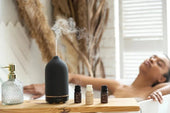
Denne artikel giver en dybdegående udforskning af aromaterapi, der fremhæver dens historiske rødder og de utallige sundhedsmæssige fordele forbundet med æteriske olier. Læsere vil lære, hvordan man effektivt kan inkorporere aromaterapi i deres daglige rutiner for stresslindring, forbedret søvn og forbedret humør. Derudover vil praktiske tips til sikker og effektiv brug af æteriske olier give enkeltpersoner mulighed for at udnytte disse aromatiske stoffers naturlige helbredende egenskaber.
Indholdsfortegnelse
- Forståelse af aromaterapi
- Hvad er aromaterapi?
- Historie og oprindelse
- Hvordan æteriske olier bruges i aromaterapi
- Sundhedsmæssige fordele ved aromaterapi
- Stresslindring og afslapning
- Forbedret søvnkvalitet
- Forbedret humør og følelsesmæssig balance
- Brug af en aromaterapi-diffuser
- Typer af diffusere tilgængelige
- Trin-for-trin guide til brug af en diffuser
- Sikkerhedstips til brug af æteriske olier
- Tjekliste for opsætning og vedligeholdelse af en aromaterapi-diffuser
- Valg af de rigtige æteriske olier
- Faktorer at overveje, når du vælger olier
- Populære æteriske olier og deres egenskaber
- Sådan blander du olier for specifikke effekter
- Inkorporering af aromaterapi i dagligdagen
- Brug af æteriske olier i selvplejeritualer
- Skabelse af et beroligende miljø derhjemme
- Inkorporering af aromaterapi i wellness-praksisser
- Potentielle risici og overvejelser
- Allergier og følsomheder
- Korrekt fortynding og påføringsmetoder
- Konsultation med sundhedspersonale
- Almindelige sikkerhedsretningslinjer for brug af æteriske olier
Aromaterapi er en naturlig tilgang til at forbedre velvære og livskvalitet. Ved at udnytte æteriske oliers kraft kan enkeltpersoner opleve en række fordele, fra stresslindring til forbedret søvn. Denne guide udforsker kernen i aromaterapi, dens historiske rødder og de sundhedsmæssige fordele, den tilbyder, sammen med praktiske tips til at integrere den i din daglige rutine.
Forståelse af aromaterapi
Hvad er aromaterapi?
Aromaterapi er en holistisk helbredelsespraksis, der bruger naturlige planteekstrakter, kendt som æteriske olier, til at fremme fysisk og følelsesmæssigt velvære. Ved at indånde eller påføre disse olier kan enkeltpersoner stimulere deres sanser og potentielt påvirke deres humør og helbred.

Historie og oprindelse
Praksis med aromaterapi går tusinder af år tilbage. Gamle civilisationer, herunder dem i Egypten, Kina og Indien, brugte aromatiske planter til healing og religiøse ritualer. Udtrykket "aromaterapi" blev opfundet i det 20. århundrede af den franske kemiker René-Maurice Gattefossé, som opdagede de terapeutiske egenskaber ved lavendelolie, efter at have brugt den til at behandle en forbrænding. Siden da har aromaterapi udviklet sig til en bredt anerkendt metode inden for komplementær terapi.
Hvordan æteriske olier bruges i aromaterapi
Æteriske olier udvindes fra forskellige dele af planter, herunder blomster, blade, rødder og bark. I aromaterapi kan disse olier bruges på flere måder:
- Inhalation: Den mest almindelige metode, hvor æteriske olier diffunderes i luften ved hjælp af en aromaterapi-diffuser eller indåndes direkte fra flasken.
- Topisk påføring: Fortyndede æteriske olier kan påføres huden, hvilket giver lokale fordele.
- Bade: Tilføjelse af æteriske olier til badevand kan skabe en beroligende oplevelse, der fremmer afslapning.
Sundhedsmæssige fordele ved aromaterapi
De sundhedsmæssige fordele ved aromaterapi er talrige og kan variere afhængigt af de anvendte æteriske olier. Her er nogle af de mest bemærkelsesværdige fordele:
Stresslindring og afslapning
Æteriske olier som lavendel, kamille og bergamot er kendt for deres beroligende egenskaber. Indånding af disse dufte kan sænke stressniveauet og fremme afslapning. For effektiv brug:
- Brug en aromaterapi-diffuser med et par dråber lavendelolie i dit hjem for at skabe et roligt miljø.
- Tilsæt kamilleolie til et varmt bad før sengetid for at slappe af efter en lang dag.
Forbedret søvnkvalitet
Aromaterapi kan betydeligt forbedre søvnkvaliteten. Æteriske olier som lavendel og cedertræ bruges ofte til at fremme en dybere, mere afslappende søvn. For at inkorporere disse olier:
- Diffuser lavendelolie i dit soveværelse i 30 minutter før søvn.
- Påfør fortyndet cedertræolie på pulspunkter, såsom håndled og tindinger, for at fremme afslapning.
Forbedret humør og følelsesmæssig balance
Æteriske olier kan opløfte humøret og give følelsesmæssig balance. Olier som citrus (appelsin, citron) og pebermynte er kendt for deres opkvikkende egenskaber. Prøv følgende metoder:
- Indånd citrusæteriske olier fra flasken eller diffuser dem i løbet af dagen for at øge energi og positivitet.
- Bland et par dråber pebermynteolie med en bæreolie og påfør det på dine håndled for en forfriskende opkvikker.
Brug af en aromaterapi-diffuser
En aromaterapi-diffuser er en vidunderlig tilføjelse til enhver wellness-rutine, der giver dig mulighed for at nyde fordelene ved æteriske olier nemt og effektivt. Forskellige typer diffusere imødekommer forskellige præferencer og rum, hvilket gør det nemt at finde den rigtige til dine behov.
Typer af diffusere tilgængelige
- Ultralyds-diffusere: Disse bruger vand og ultralydsbølger til at sprede æteriske olier i luften og skaber en fin tåge.
- Varme-diffusere: De opvarmer æteriske olier forsigtigt for at frigive deres aroma, men kan nogle gange ændre oliens egenskaber.
- Fordampnings-diffusere: Disse er afhængige af en ventilator til at blæse luft gennem en pude eller et filter, der er gennemvædet med æteriske olier, og spreder duften ud i rummet.
- Forstøvnings-diffusere: De skaber en stærk aroma ved at bruge en pumpe til at forstøve æteriske olier uden vand, hvilket gør dem meget potente.
Trin-for-trin guide til brug af en diffuser
For at maksimere fordelene ved din aromaterapi-diffuser, følg denne simple guide:
- Vælg dine æteriske olier: Vælg olier baseret på den ønskede effekt – afslapning, fokus eller fornyelse.
- Fyld vandtanken: Hvis du bruger en ultralyds-diffuser, fyld tanken med vand i henhold til producentens anvisninger.
- Tilsæt æteriske olier: Typisk er 3-5 dråber æterisk olie tilstrækkeligt, men juster efter din præference og diffuserens størrelse.
- Tænd for diffuseren: Tænd den og nyd aromaen, når den fylder dit rum.
- Vedligehold regelmæssigt: Rengør din diffuser efter hver brug for at forhindre opbygning og sikre optimal ydeevne.
Sikkerhedstips til brug af æteriske olier
Selvom æteriske olier generelt er sikre, er det vigtigt at følge disse sikkerhedstips:
- Brug altid højkvalitets, rene æteriske olier for at undgå syntetiske tilsætningsstoffer.
- Hold diffusere uden for børns og kæledyrs rækkevidde.
- Sørg for tilstrækkelig ventilation i rummet under diffusion.
- Konsulter en sundhedsfaglig person, hvis du er gravid, ammer eller har underliggende sundhedsproblemer.
- Vær opmærksom på allergier eller følsomheder over for specifikke olier.
Tjekliste for opsætning og vedligeholdelse af en aromaterapi-diffuser
Her er en praktisk tjekliste for at holde din aromaterapi-diffuser i topform:
- ✔ Vælg en passende placering til din diffuser.
- ✔ Brug destilleret eller renset vand til ultralyds-diffusere.
- ✔ Rengør din diffuser regelmæssigt med eddike og vand.
- ✔ Opbevar æteriske olier et køligt, mørkt sted for at bevare deres styrke.
Valg af de rigtige æteriske olier
Valg af de rigtige æteriske olier er afgørende for effektivt at udnytte fordelene ved aromaterapi. Med et væld af tilgængelige muligheder kan forståelse af deres egenskaber hjælpe dig med at vælge klogt.
Faktorer at overveje, når du vælger olier
- Ønskede effekter: Identificer, hvad du ønsker at opnå – stresslindring, humørforbedring eller forbedret søvn.
- Personlige præferencer: Overvej dufte, du nyder; din komfort med visse aromaer kan forbedre oplevelsen.
- Kvalitet: Vælg 100 % rene æteriske olier uden fyldstoffer eller syntetiske ingredienser.
Populære æteriske olier og deres egenskaber
| Æterisk olie | Egenskaber | Almindelige anvendelser |
|---|---|---|
| Lavendel | Beroligende, lindrende | Stresslindring, forbedret søvn |
| Pebermynte | Forfriskende, opkvikkende | Øget fokus, lindring af hovedpine |
| Eukalyptus | Klar, forfriskende | Åndedrætsstøtte, energigivende |
| Citron | Opløftende, rensende | Humørforbedring, desinfektion |
Sådan blander du olier for specifikke effekter
Blanding af æteriske olier kan skabe en tilpasset aroma, der er skræddersyet til dine behov. Her er et par populære blandinger:
- Afslapningsblanding: Kombiner lavendel, bergamot og kamille for en beroligende effekt.
- Fokusblanding: Bland pebermynte, rosmarin og citron for at forbedre koncentrationen.
- Opløftende blanding: En kombination af appelsin, grapefrugt og ylang-ylang kan løfte dit humør.
Inkorporering af aromaterapi i dagligdagen
Aromaterapi kan problemfrit integreres i din daglige rutine og forbedre dit generelle velvære. Her er nogle praktiske måder at inkorporere æteriske olier i dit liv:
Brug af æteriske olier i selvplejeritualer
Forvandl dine selvplejerutiner ved at tilføje æteriske olier. Uanset om du tager et bad, mediterer eller dyrker yoga, kan æteriske olier forbedre oplevelsen:
- Badefryd: Tilføj et par dråber lavendel- eller eukalyptusolie til dit bad for afslapning og stresslindring.
- Bevidst meditation: Brug en aromaterapi-diffuser med beroligende olier som kamille eller frankincense for at skabe en fredelig atmosfære.
- Yogaforbedring: Påfør en fortyndet blanding af pebermynte- og tetræolie for at opfriske dine sanser under din praksis.
Skabelse af et beroligende miljø derhjemme
Dit hjem skal være et fristed. Brug æteriske olier til at forvandle dit rum til et beroligende tilflugtssted:
- Stue: Diffuser citrusolier som appelsin eller citron for at løfte humøret og skabe et indbydende miljø.
- Soveværelse: Brug en aromaterapi-diffuser med lavendel eller bergamot for at fremme en afslappende søvn.
- Hjemmekontor: Inkorporer rosmarin- eller pebermynteolie i din diffuser for at forbedre fokus og produktivitet.
Inkorporering af aromaterapi i wellness-praksisser
Aromaterapi kan også spille en betydelig rolle i holistiske wellness-praksisser:
- Massageterapi: Kombiner bærerolier med æteriske olier som lavendel eller ylang-ylang for en beroligende massageoplevelse.
- Mindfulness og åndedrætsøvelser: Inhaler æteriske olier som sandeltræ eller geranium, mens du praktiserer dybe åndedrætsteknikker.
- Daglig rutine-tjekliste: Opret en tjekliste for at minde dig selv om at bruge æteriske olier hele dagen, såsom:
| Tid på dagen | Aktivitet | Æterisk olie |
|---|---|---|
| Morgen | Vågn op | Pebermynte |
| Midt på dagen | Fokuseret arbejde | Rosmarin |
| Aften | Afslapning | Lavendel |
Potentielle risici og overvejelser
Mens aromaterapi tilbyder mange fordele, er det vigtigt at bruge æteriske olier sikkert. Her er nogle forholdsregler, du skal huske på:
Allergier og følsomheder
Før du bruger æteriske olier, skal du udføre en lappetest for at kontrollere for allergiske reaktioner. Hvis du oplever irritation, skal du stoppe brugen. Nogle almindelige allergener inkluderer:
- Tea Tree Oil
- Eukalyptusolie
- Kanelolie
Korrekt fortynding og anvendelsesmetoder
Æteriske olier er potente og bør altid fortyndes, før de påføres huden. Her er en hurtig guide til, hvordan du fortynder æteriske olier:
- Til topisk brug: Bland 1-2 dråber æterisk olie med en bæreolie, såsom kokos- eller jojobaolie.
- Til diffusion: Tilsæt 3-5 dråber æterisk olie til din aromaterapi-diffuser med vand.
- Til indånding: Placer 1-2 dråber på en vatpind og inhaler dybt.
Rådgivning med sundhedspersonale
Før du starter en ny wellnessrutine, der involverer æteriske olier, skal du rådføre dig med en sundhedsperson, især hvis du er gravid, ammer eller har eksisterende sundhedsmæssige forhold. De kan give vejledning, der er skræddersyet til dine specifikke behov.
Almindelige sikkerhedsretningslinjer for brug af æteriske olier
- Opbevar æteriske olier utilgængeligt for børn og kæledyr.
- Undgå kontakt med øjne og slimhinder.
- Indtag ikke æteriske olier, medmindre det sker under opsyn af en kvalificeret praktiserende læge.
Inkorporering af aromaterapi i din daglige rutine kan føre til bemærkelsesværdige forbedringer i dit velbefindende. Ved at forstå fordelene og praktisere sikker brug kan du nyde de mange fordele, æteriske olier har at tilbyde. Omfavn naturens kraft og skab et beroligende, opløftende miljø, uanset hvor du er!
Tilknyttet produkt

Flamme Aromaterapi Diffuser
Flamme Aromaterapi Diffuseren forbedrer dit rum ved at kombinere spredning af æteriske olier med en beroligende flamme lyseffekt, hvilket skaber en fredfyldt atmosfære for afslapning og mindfulness. Dens ultralydsteknologi sikrer støjsvag drift, hvilket gør den velegnet til forskellige omgivelser som soveværelser, kontorer eller meditationsområder. Med justerbar omgivende belysning og et kompakt design giver denne diffuser dig mulighed for at personliggøre dit miljø, mens den fremmer en beroligende oplevelse.
Se produktFordele og ulemper
| Fordele ved aromaterapi | Ulemper ved aromaterapi |
|---|---|
| Fremmer afslapning og stresslindring gennem beroligende æteriske olier. | Potentiale for allergiske reaktioner eller følsomhed over for visse olier. |
| Forbedrer søvnkvaliteten med olier som lavendel og cedertræ. | Nogle olier kan ændre potens, når de opvarmes i diffusere. |
| Forbedrer humør og følelsesmæssig balance med opløftende dufte. | Kræver korrekt fortynding for at undgå hudirritation. |
| Let at indarbejde i daglige rutiner, såsom selvplejeritualer. | Konsultation med sundhedspersonale anbefales for visse personer. |
| Tilbyder en række forskellige metoder til brug, herunder diffusion og topisk anvendelse. | Kvaliteten af æteriske olier kan variere; ikke alle er rene eller effektive. |
Hvem det er for (og ikke for)
Hvem det er for
- Personer, der søger stresslindring: Hvis du leder efter naturlige måder at reducere stress og fremme afslapning på, kan aromaterapi være et effektivt redskab.
- Personer med søvnproblemer: Dem, der kæmper med søvnforstyrrelser, kan drage fordel af æteriske olier, der er kendt for deres beroligende egenskaber.
- Wellnessentusiaster: Hvis du nyder holistiske praksisser og er interesseret i at forbedre dine selvplejeritualer, kan aromaterapi være en god tilføjelse.
- Personer interesseret i naturlige midler: Dem, der foretrækker naturlige tilgange til sundhed og velvære, vil finde, at aromaterapi stemmer overens med deres værdier.
Hvem det ikke er for
- Personer med allergier eller følsomheder: Hvis du har kendte allergier over for æteriske olier eller er følsom over for stærke dufte, er aromaterapi muligvis ikke egnet.
- Gravide eller ammende kvinder: Gravide eller ammende kvinder bør konsultere en sundhedsperson, før de bruger æteriske olier.
- Personer med visse sundhedsmæssige forhold: Hvis du har underliggende sundhedsproblemer, er det vigtigt at søge lægehjælp, før du indarbejder æteriske olier i din rutine.
- Personer, der søger hurtige løsninger: Aromaterapi er en supplerende praksis og giver muligvis ikke øjeblikkelige resultater for dem, der søger hurtige løsninger.
Vigtigste pointer
- Aromaterapi bruger æteriske olier fra planter for at forbedre fysisk og følelsesmæssigt velvære gennem indånding eller topisk anvendelse.
- Historiske rødder spores tilbage til gamle civilisationer som Egypten og Indien, med udtrykket opfundet i det 20. århundrede af René-Maurice Gattefossé.
- Æteriske olier kan give specifikke sundhedsmæssige fordele som stresslindring, forbedret søvnkvalitet og forbedret humør.
- Forskellige typer diffusere er tilgængelige, herunder ultralyd-, varme-, fordampnings- og forstøvende diffusere, der hver tilbyder unikke fordele.
- Sikkerhedstips for æteriske olier inkluderer brug af produkter af høj kvalitet, sikring af ordentlig ventilation og rådgivning med sundhedspersonale, hvis man er gravid eller ammer.
- Inkorporering af æteriske olier i daglige selvplejeritualer, såsom bade eller yoga, kan betydeligt forbedre afslapning og mindfulness.
- Korrekt fortynding og anvendelse af æteriske olier er afgørende; bland altid med bæreolier til topisk brug for at undgå hudirritation.