This article explores the vital role of relaxation in maintaining mental health and managing stress. Readers will learn about the psychological benefits of relaxation, various techniques to incorporate it into daily life, and how to create a personalized relaxation routine. By understanding the importance of relaxation, individuals can enhance their overall well-being and develop effective strategies to combat stress and improve emotional resilience.
Table of Contents
- Understanding Relaxation
- The Role of Relaxation in Stress Management
- Signs Indicating the Need for Relaxation
- The Science Behind Relaxation
- Overview of the Body's Response to Stress
- How Relaxation Techniques Can Alter Brain Chemistry
- The Impact of Relaxation on Anxiety and Depression
- Simple Breathing Exercises to Initiate Relaxation
- Benefits of Regular Relaxation
- Improved Focus and Productivity
- Enhanced Emotional Resilience
- Better Physical Health Outcomes
- Techniques for Effective Relaxation
- Mindfulness and Meditation Techniques
- Physical Activities That Promote Relaxation
- The Role of Tools Like a Smart Neck Massager in Relaxation
- Creating a Relaxation Routine
- Identifying Personal Triggers for Stress
- Setting Aside Dedicated Time for Relaxation
- Incorporating Relaxation into Daily Activities
- Overcoming Barriers to Relaxation
- Identifying Mental Blocks to Relaxation
- Strategies to Combat Distractions
- The Importance of Self-Compassion in Relaxation
- Decision Rule for Prioritizing Relaxation Time
Relaxation is not merely a luxury; it is essential for our mental health. Understanding the psychology behind relaxation helps us appreciate its significance in our daily lives. By recognizing the importance of relaxation, we can better manage stress and enhance our overall well-being.
Understanding Relaxation
Relaxation is the process of reducing tension and anxiety, allowing both the mind and body to unwind. Psychologically, relaxation plays a crucial role in restoring our mental state, providing a necessary break from the constant demands of life. It acts as a counterbalance to stress, which, if left unchecked, can lead to burnout and emotional instability.

The Role of Relaxation in Stress Management
Effective stress management is vital for maintaining mental clarity and emotional stability. Engaging in relaxation practices signals to our bodies that it is time to shift from a state of tension to one of calm. This transition is essential as it helps prevent the physical and psychological toll that stress can take.
Signs Indicating the Need for Relaxation
Recognizing when you need to relax is the first step toward better mental health. Here’s a checklist to help identify those signs:
- Increased irritability or mood swings
- Difficulty concentrating or making decisions
- Physical symptoms such as headaches or muscle tension
- Feeling overwhelmed by daily tasks
- Changes in sleep patterns, such as insomnia or excessive sleeping
The Science Behind Relaxation
Understanding the science of relaxation reveals how it impacts our brain and body. When we relax, our bodies activate the parasympathetic nervous system, promoting a state of calm. This response not only alleviates stress but also has profound effects on our mental health.
Overview of the Body's Response to Stress
Stress triggers a cascade of physiological changes, including increased heart rate and elevated cortisol levels, preparing the body for a "fight or flight" response. However, chronic stress can lead to detrimental health effects. Relaxation techniques help reverse these stress-induced changes, restoring balance and promoting a sense of well-being.
How Relaxation Techniques Can Alter Brain Chemistry
Engaging in relaxation practices can significantly influence brain chemistry. Techniques such as deep breathing, mindfulness, and meditation can increase the production of neurotransmitters like serotonin and dopamine, which are associated with feelings of happiness and tranquility. Regularly incorporating these practices into our lives can enhance mood and reduce anxiety levels.
The Impact of Relaxation on Anxiety and Depression
Relaxation techniques have been shown to effectively reduce symptoms of anxiety and depression. By fostering a state of relaxation, individuals can experience a decrease in the intensity of their emotional distress. This is particularly beneficial for those who struggle with mental health issues, providing them with tools to manage their symptoms more effectively.
Simple Breathing Exercises to Initiate Relaxation
One of the simplest yet most effective ways to initiate relaxation is through breathing exercises. Here’s a quick guide to a basic technique:
- Find a comfortable position, either sitting or lying down.
- Close your eyes and take a deep breath in through your nose, allowing your abdomen to expand.
- Hold your breath for a count of four.
- Slowly exhale through your mouth for a count of six.
- Repeat this cycle for several minutes, focusing solely on your breath.
This technique can help ground you and bring your mind back to a state of calm, making it an excellent starting point for anyone looking to incorporate relaxation into their routine.
Benefits of Regular Relaxation
Incorporating regular relaxation into your daily routine offers a wealth of psychological and physical benefits. When you prioritize relaxation, you're not just indulging in a moment of peace; you're actively enhancing your overall well-being. Here are some significant benefits:
Improved Focus and Productivity
Regular relaxation helps clear your mind, allowing for better concentration and productivity. When stress clouds your thoughts, it’s challenging to focus on tasks effectively. By taking time to relax, you can recharge your mental batteries, leading to:
- Enhanced cognitive function
- Greater creativity
- Quicker decision-making abilities
Enhanced Emotional Resilience
Emotional resilience is your ability to bounce back from stress and challenges. Regular relaxation practices cultivate a stronger emotional foundation, enabling you to handle life's ups and downs with grace. This can result in:
- Lower levels of anxiety and depression
- Improved mood stability
- Increased self-awareness and self-acceptance
Better Physical Health Outcomes
The psychological benefits of relaxation extend to your physical health as well. Chronic stress can lead to various health issues, including heart disease, obesity, and weakened immune function. By incorporating relaxation techniques into your routine, you can enjoy:
- Lower blood pressure
- Improved sleep quality
- Enhanced immune response
To help you integrate relaxation into your life, consider the following weekly schedule template:
| Day | Relaxation Activity | Duration |
|---|---|---|
| Monday | Mindful Breathing | 10 minutes |
| Tuesday | Nature Walk | 30 minutes |
| Wednesday | Guided Meditation | 15 minutes |
| Thursday | Yoga Session | 30 minutes |
| Friday | Relaxing Bath | 30 minutes |
| Saturday | Reading Time | 1 hour |
| Sunday | Reflection Journal | 20 minutes |
Techniques for Effective Relaxation
Now that you understand the benefits, let’s explore various techniques to achieve relaxation effectively. Each method can be tailored to fit your lifestyle and preferences.
Mindfulness and Meditation Techniques
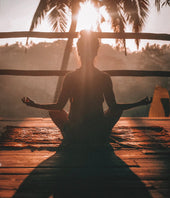
Mindfulness and meditation are powerful tools for relaxation. They encourage present-moment awareness and help reduce stress. Here’s a simple step-by-step guide to a basic meditation practice:
- Find a quiet space where you won’t be disturbed.
- Sit comfortably with your back straight and hands resting on your knees.
- Close your eyes and take a deep breath in through your nose, allowing your abdomen to rise.
- Exhale slowly through your mouth, letting go of any tension.
- Focus on your breath, noticing the rise and fall of your chest.
- If your mind wanders, gently bring your focus back to your breath.
- Continue for 5-10 minutes, gradually increasing the duration as you become more comfortable.
Physical Activities That Promote Relaxation
Physical activity is not only beneficial for your body but also essential for mental relaxation. Engaging in activities such as:
- Yoga
- Swimming
- Walking or jogging
- Dancing
can help release endorphins, which naturally elevate your mood and reduce stress levels.
The Role of Tools Like a Smart Neck Massager in Relaxation
Incorporating relaxation tools, such as a Smart Neck Massager, can enhance your experience. This device provides targeted relief to neck and shoulder tension, promoting relaxation and comfort. By using a Smart Neck Massager regularly, you can:
- Alleviate muscle tension
- Improve blood circulation
- Facilitate a deeper state of relaxation
Finding the right combination of techniques can create a personalized relaxation routine that fits your lifestyle and needs. Remember, the journey to relaxation is personal, and it might take some experimentation to discover what works best for you.
Creating a Relaxation Routine
Establishing a personal relaxation routine can be transformative for your mental health. It allows you to proactively manage stress and enhance your overall well-being. Here are some key steps to help you create an effective relaxation routine:
Identifying Personal Triggers for Stress
The first step in developing a relaxation routine is to pinpoint what causes you stress. Understanding these triggers is essential for effective management. Consider maintaining a stress journal where you can note:
- Situations that lead to stress.
- Your emotional responses to these situations.
- Physical symptoms you experience when stressed.
By identifying these patterns, you can tailor your relaxation techniques to address specific stressors in your life.
Setting Aside Dedicated Time for Relaxation
Consistency is key when it comes to relaxation. Block out specific times in your schedule dedicated solely to relaxation. This could be as simple as:
- 15 minutes of quiet time in the morning.
- A mid-afternoon break for a mindfulness session.
- Evening wind-down routines that include gentle stretching or using a Smart Neck Massager.
By treating this time as a non-negotiable appointment, you reinforce the importance of relaxation in your daily life.
Incorporating Relaxation into Daily Activities
Finding ways to integrate relaxation into your daily routine can make it feel less like an obligation and more like a natural part of your day. Here are some strategies:
- Practice deep breathing exercises while commuting or during breaks.
- Incorporate short meditation sessions into your lunch break.
- Use a Smart Neck Massager while watching your favorite show to unwind both physically and mentally.
These small shifts can significantly enhance your relaxation experience and overall mental clarity.
Overcoming Barriers to Relaxation
Even with the best intentions, you might encounter obstacles that hinder your ability to relax. Recognizing and addressing these barriers is essential for establishing a sustainable relaxation routine.
Identifying Mental Blocks to Relaxation
Common mental blocks include feelings of guilt for taking time for yourself, distractions from technology, or the belief that you’re too busy to relax. To overcome these blocks:
- Acknowledge that relaxation is vital for productivity and mental health.
- Set clear boundaries with work and personal responsibilities.
- Practice saying “no” to additional commitments when your plate is full.
Understanding that relaxation is not a luxury, but a necessity, can help shift your mindset.
Strategies to Combat Distractions
In our hyper-connected world, distractions are everywhere. To create an effective relaxation environment:
- Turn off notifications on your devices during relaxation time.
- Choose a quiet space where you can focus without interruptions.
- Consider using calming music or white noise to drown out background sounds.
These strategies can help you maintain focus and truly engage in your relaxation practices.
The Importance of Self-Compassion in Relaxation
Self-compassion plays a crucial role in overcoming barriers to relaxation. It’s essential to be kind to yourself and recognize that everyone deserves time to recharge. Here are ways to practice self-compassion:
- Accept that it’s okay to take breaks.
- Remind yourself that relaxation is a path to better health, not a sign of laziness.
- Celebrate small successes in your relaxation journey, no matter how minor they may seem.
By nurturing a supportive inner dialogue, you’ll find it easier to prioritize relaxation in your life.
Decision Rule for Prioritizing Relaxation Time
To ensure relaxation remains a priority, consider implementing a simple decision rule:
| Situation | Action |
|---|---|
| Feeling overwhelmed or stressed | Schedule a relaxation session immediately. |
| Completing a task or project | Reward yourself with a relaxation break. |
| Noticing physical tension | Use a Smart Neck Massager to alleviate discomfort. |
This rule can help you consistently prioritize relaxation, contributing to your mental clarity and emotional stability.
Linked Product

Smart Neck Massager
The Smart Neck Massager offers a convenient way to alleviate tension in the neck and shoulders, making it suitable for use at home, work, or on the go. With gentle pulse technology and soothing heat, it allows users to customize their massage experience for optimal relaxation. Its ergonomic design and lightweight, wireless features make it an easy addition to daily routines, promoting wellness and comfort throughout the day.
View ProductPros and Cons
| Advantages of Relaxation | Drawbacks of Relaxation |
|---|---|
| Reduces stress and anxiety, promoting mental clarity. | May require time and commitment to develop a consistent routine. |
| Enhances emotional resilience and mood stability. | Can be challenging to prioritize in a busy schedule. |
| Improves physical health outcomes, such as lower blood pressure. | Some techniques may not work for everyone, requiring experimentation. |
| Increases focus and productivity through mental recharge. | Potential for distractions that hinder effective relaxation. |
| Provides tools to manage symptoms of anxiety and depression. | Initial resistance or mental blocks may occur when starting. |
Who It's For (And Not For)
Who It's For
- Individuals Experiencing Stress: If you're feeling overwhelmed by daily tasks or dealing with increased irritability, relaxation techniques can help manage your stress effectively.
- Those Seeking Mental Clarity: If you find it difficult to concentrate or make decisions, incorporating relaxation practices into your routine can enhance your focus and productivity.
- People Struggling with Anxiety or Depression: Relaxation methods can significantly reduce symptoms of anxiety and depression, providing tools to manage emotional distress.
- Anyone Looking to Improve Overall Well-Being: If you want to enhance your mental health and physical health outcomes, regular relaxation is essential for maintaining balance and resilience.
Who It's Not For
- Those Who Do Not Recognize Stress: If you do not acknowledge or feel the effects of stress in your life, you may not see the need for relaxation practices.
- Individuals Unwilling to Change Routines: If you are not open to dedicating time for relaxation or integrating new habits into your daily life, you may struggle to benefit from these techniques.
- People Who Prefer Active Solutions: If you prefer more active or external solutions to manage stress and do not resonate with introspective practices, relaxation techniques may not appeal to you.
- Those with Severe Mental Health Issues: If you are experiencing severe anxiety or depression, it is essential to seek professional help rather than relying solely on relaxation techniques.
Key Takeaways
- Relaxation is essential for mental health: It helps manage stress and enhances overall well-being.
- Recognize signs of stress: Increased irritability, difficulty concentrating, and changes in sleep patterns indicate a need for relaxation.
- Engage in relaxation techniques: Practices like deep breathing, mindfulness, and meditation can improve mood and reduce anxiety.
- Regular relaxation enhances productivity: Taking time to relax clears the mind, leading to better focus and decision-making abilities.
- Establish a personal relaxation routine: Identify stress triggers and set aside dedicated time for relaxation to manage stress effectively.
- Combat distractions: Create a focused environment by turning off notifications and choosing a quiet space for relaxation.
- Practice self-compassion: Acknowledge the importance of relaxation and be kind to yourself when taking breaks.