Understanding the importance of relaxation is crucial for mental and physical health. Chronic stress can lead to serious health issues, making it essential to incorporate relaxation techniques into daily routines. Key methods include deep breathing, mindfulness, and using tools like neck massagers. Creating a dedicated relaxation space at home and scheduling time for relaxation can enhance well-being. Recognizing and overcoming barriers to relaxation is vital for achieving a balanced lifestyle.
Table of Contents
- Understanding the Need for Relaxation
- Signs You Need to Relax
- Benefits of Relaxation Techniques
- Comparing Relaxation Techniques
- Simple Relaxation Techniques to Try
- Breathing Exercises for Immediate Stress Relief
- Mindfulness Practices to Enhance Awareness
- Incorporating a Neck Massager into Your Routine
- Creating a Relaxation Space at Home
- Importance of a Dedicated Relaxation Space
- Elements to Include for a Calming Atmosphere
- How to Use a Neck Massager Effectively in This Space
- Incorporating Relaxation into Your Daily Routine
- Schedule Relaxation Time
- Use Reminders
- Balance Work and Relaxation
- Sample Daily Schedule
- Overcoming Barriers to Relaxation
- Identifying Personal Barriers
- Strategies to Combat Barriers
- The Role of a Neck Massager
Relaxation often takes a back seat. However, understanding the need for relaxation is essential to maintaining both mental and physical health. With the constant demands of work, family, and social obligations, stress can accumulate, leading to serious health issues. This article will delve into the importance of relaxation and explore its profound benefits, including practical techniques for integrating relaxation into your daily routine.
Understanding the Need for Relaxation
Stress is an unavoidable part of modern life, but its impact on our mental and physical health can be significant. Chronic stress can lead to anxiety, depression, and various health complications such as heart disease and weakened immune function. Recognizing the signs that indicate a need for relaxation is crucial for overall well-being. Here are some key points to consider:
- The Impact of Stress: Stress triggers the body's fight-or-flight response, which can lead to heightened anxiety and irritability. Over time, this can deplete your energy and motivation.
- Contributing to Overall Well-Being: Regular relaxation helps to mitigate the adverse effects of stress, promoting a sense of peace and balance in your life.
- Balancing Productivity and Self-Care: While productivity is essential, neglecting self-care can lead to burnout. Finding a balance is crucial for sustainable success.
Signs You Need to Relax
Here’s a quick checklist to help you identify when it’s time to prioritize relaxation:
- Constant fatigue or lack of energy
- Difficulty concentrating or making decisions
- Increased irritability or mood swings
- Physical symptoms such as headaches or muscle tension
- Feeling overwhelmed by daily tasks
Benefits of Relaxation Techniques
Incorporating relaxation techniques into your routine can offer a multitude of benefits. Here’s a closer look at how these practices can enhance your life:
- Reduction of Anxiety and Stress Levels: Relaxation techniques, such as deep breathing and mindfulness, can significantly lower anxiety levels, helping you feel more grounded and in control.
- Improvement in Focus and Productivity: Taking time to relax can actually boost your productivity. A refreshed mind is more capable of tackling tasks efficiently and creatively.
- Enhanced Physical Health and Recovery: Relaxation contributes to better sleep, improved digestion, and faster recovery from physical exertion, all of which are vital for maintaining health.
Comparing Relaxation Techniques
Different relaxation techniques can suit various lifestyles and preferences. Here’s a comparison of some effective methods:
| Technique | Benefits | How to Implement |
|---|---|---|
| Meditation | Enhances mindfulness, reduces anxiety | Set aside 5-10 minutes daily to focus on your breath or use a guided meditation app. |
| Deep Breathing | Quick stress relief, increases oxygen flow | Practice deep breathing exercises for a few minutes during stressful moments. |
| Neck Massager | Relieves physical tension, promotes relaxation | Use a neck massager for 15-20 minutes to ease muscle tightness and enhance relaxation. |
By incorporating these relaxation techniques into your daily routine, you can create a healthier lifestyle that balances productivity with self-care. Remember, relaxation isn't just a luxury; it's a necessity in today’s busy world.
Simple Relaxation Techniques to Try
Incorporating relaxation techniques into your daily routine can significantly reduce stress and enhance your overall well-being. Here are some practical methods to help you unwind and recharge:
Breathing Exercises for Immediate Stress Relief
One of the simplest and most effective techniques is deep breathing. This method can be done anywhere and takes only a few minutes. Here’s a step-by-step guide:
- Find a comfortable seated position, with your back straight and shoulders relaxed.
- Close your eyes and inhale deeply through your nose, allowing your abdomen to expand.
- Hold your breath for a count of four.
- Exhale slowly through your mouth, feeling your body relax with each breath out.
- Repeat this cycle for five minutes or until you feel a sense of calm.
This simple breathing exercise can help you regain focus and calm your mind, making it an excellent tool for busy days.
Mindfulness Practices to Enhance Awareness
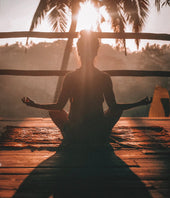
Mindfulness is the practice of being present in the moment. It can be achieved through various techniques, such as meditation or mindful walking. Here’s how to start:
- Mindful Meditation: Set aside 10 minutes a day to sit quietly and focus on your breath. If your mind wanders, gently bring your attention back to your breath.
- Mindful Walking: Take a short walk and concentrate on the sensation of your feet touching the ground, the sounds around you, and the movement of your body.
Both practices can help clear your mind and reduce anxiety, making them ideal for integrating into your daily life.
Incorporating a Neck Massager into Your Routine
A neck massager is a fantastic tool to relieve tension and improve relaxation. Here’s how to effectively incorporate it into your routine:
- Use your neck massager after a long day at work to ease tension.
- Pair it with your breathing exercises for enhanced relaxation.
- Set a timer for 10-15 minutes to ensure you give yourself enough time to unwind.
Many people find that using a neck massager not only helps to alleviate physical tension but also promotes a sense of mental peace.
Creating a Relaxation Space at Home
Creating a dedicated relaxation space in your home can significantly enhance your ability to unwind. Here’s how to make it work for you:
Importance of a Dedicated Relaxation Space
A relaxation space helps signal to your brain that it’s time to unwind. It can be a corner of your living room, a cozy nook in your bedroom, or even a small area outdoors. The key is to make it a sanctuary free from distractions.
Elements to Include for a Calming Atmosphere
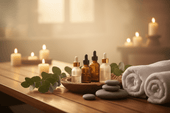
To create a calming atmosphere, consider including the following elements:
- Comfortable Seating: A soft chair or cushion can provide a cozy spot to relax.
- Soft Lighting: Use dimmable lights or candles to create a tranquil environment.
- Relaxing Scents: Incorporate essential oils or scented candles to promote relaxation.
- Sound Elements: Consider adding soft music or nature sounds to enhance the ambiance.
How to Use a Neck Massager Effectively in This Space
Once your relaxation space is set up, use your neck massager to maximize its benefits:
- Find a comfortable position in your relaxation space and sit back.
- Use the neck massager while listening to calming music or practicing deep breathing.
- Allow yourself to focus solely on the sensations and let go of any lingering stress.
By creating a dedicated space for relaxation and incorporating tools like a neck massager, you can make relaxation a cherished part of your daily routine. This intentional approach not only enhances your physical health but also nurtures your mental well-being, paving the way for a more balanced life.
Incorporating Relaxation into Your Daily Routine
In our bustling lives, finding time to relax can seem like a daunting task. However, prioritizing relaxation is crucial for our mental and physical well-being. Here are some practical ways to seamlessly integrate relaxation into your daily routine:
Schedule Relaxation Time
Just as you would schedule a meeting or an important task, allocate specific time slots for relaxation. This commitment turns relaxation into a priority rather than an afterthought. Consider the following:
- Set aside 15-30 minutes each day to unwind.
- Choose a consistent time, such as early morning or before bed.
- Mark it on your calendar to ensure accountability.
Use Reminders
In our fast-paced world, it’s easy to forget about taking a break. Utilize technology to your advantage:
- Set phone alarms labeled “Relaxation Time.”
- Use apps that remind you to practice breathing exercises or mindfulness.
- Place sticky notes in visible areas to prompt relaxation activities.
Balance Work and Relaxation
Striking a balance between productivity and relaxation is key. Here’s how to achieve that:
- Incorporate short breaks into your work schedule to prevent burnout.
- During lunch, practice mindfulness or take a short walk.
- Use tools like a neck massager during breaks to relieve tension and recharge.
Sample Daily Schedule
Here’s a quick example of how to structure your day to include relaxation:
| Time | Activity |
|---|---|
| 7:00 AM | Meditation (10 minutes) |
| 12:00 PM | Mindful lunch (15 minutes) |
| 3:00 PM | Neck massager break (10 minutes) |
| 6:00 PM | Evening walk (30 minutes) |
| 9:00 PM | Reading or relaxation techniques (20 minutes) |
Overcoming Barriers to Relaxation
Despite the importance of relaxation, many individuals face barriers that hinder their ability to unwind. Recognizing these obstacles is the first step in overcoming them.
Identifying Personal Barriers
Take a moment to reflect on what prevents you from relaxing:
- Are you constantly distracted by technology?
- Do you feel guilty for taking time off from work?
- Is physical tension, such as neck pain, holding you back?
Strategies to Combat Barriers
Once you identify your barriers, implement these strategies to help you relax:
- Set boundaries with work to ensure you have time to decompress.
- Limit screen time in the evening to reduce distractions.
- Practice deep breathing or use a neck massager to alleviate physical tension.
The Role of a Neck Massager
A neck massager can be a game-changer in your relaxation routine. It not only helps relieve stress but also combats physical tension that can prevent you from fully unwinding. Here’s how to effectively incorporate a neck massager into your relaxation practices:
- Use it during breaks at work to relieve tightness.
- Incorporate it into your evening routine while watching TV or reading.
- Pair it with breathing exercises to enhance relaxation.
By recognizing barriers and implementing these strategies, you can create a more balanced lifestyle that prioritizes relaxation. Your journey toward a more serene life begins with small, intentional changes.
Linked Product

Smart Neck Massager
The Smart Neck Massager provides relief from tension, stiffness, and fatigue in the neck and shoulders, making it suitable for use after long hours at a desk or during stressful moments. It features gentle pulse technology and soothing heat to activate tired muscles, promoting relaxation and comfort. Its ergonomic design ensures a comfortable fit, allowing for effective and consistent use at home, work, or while resting.
View ProductPros and Cons
| Advantages of Relaxation | Drawbacks of Neglecting Relaxation |
|---|---|
| Reduces anxiety and stress levels, promoting mental well-being. | Chronic stress can lead to serious health issues like heart disease. |
| Improves focus and productivity, enhancing work performance. | Neglecting self-care can result in burnout and decreased motivation. |
| Enhances physical health through better sleep and recovery. | Increased irritability and mood swings due to accumulated stress. |
| Encourages a balanced lifestyle, integrating self-care with productivity. | Difficulty concentrating and making decisions when overwhelmed. |
Who It's For (And Not For)
Who It's For
- Individuals Experiencing Chronic Stress: If you find yourself feeling overwhelmed, anxious, or fatigued due to constant demands, prioritizing relaxation is essential for your mental and physical health.
- Busy Professionals: Those juggling work, family, and social obligations can benefit from integrating relaxation techniques to prevent burnout and enhance productivity.
- Health-Conscious Individuals: If you are looking to improve your overall well-being and reduce health risks associated with stress, adopting relaxation practices is a crucial step.
Who It's Not For
- People Unwilling to Change: If you are not open to adjusting your routine or prioritizing self-care, relaxation techniques may not be effective for you.
- Individuals with No Stress: If you feel completely balanced and stress-free in your life, you may not find the need to incorporate relaxation practices.
- Those Seeking Quick Fixes: If you prefer immediate solutions without committing to regular relaxation practices, you may not experience the long-term benefits relaxation can provide.
Key Takeaways
- Understanding Stress: Chronic stress can lead to serious health issues like anxiety, depression, and heart disease.
- Recognizing Signs: Symptoms indicating a need for relaxation include fatigue, irritability, and difficulty concentrating.
- Benefits of Relaxation: Regular relaxation techniques can reduce anxiety, improve focus, and enhance physical health.
- Effective Techniques: Incorporate practices such as deep breathing, meditation, and using a neck massager into your daily routine.
- Creating a Relaxation Space: Designate a distraction-free area at home to promote relaxation and incorporate calming elements.
- Scheduling Relaxation: Treat relaxation as a priority by allocating specific time slots in your daily schedule.
- Overcoming Barriers: Identify personal obstacles to relaxation and implement strategies to create a balanced lifestyle.