This article delves into the importance of relaxation for mental health, highlighting its scientific underpinnings and practical techniques to incorporate into daily life. Readers will learn how relaxation can counteract stress, improve emotional well-being, and explore various methods such as mindfulness, deep breathing, and progressive muscle relaxation. By understanding the benefits and challenges of relaxation, individuals can effectively enhance their mental health and overall quality of life.
Table of Contents
- The Science Behind Relaxation and Mental Health
- Different Relaxation Techniques
- Mindfulness and Meditation
- Deep Breathing Exercises
- Progressive Muscle Relaxation
- Incorporating Relaxation into Daily Life
- Setting Aside Time for Relaxation
- Creating a Calming Environment
- Checklist for Creating a Daily Relaxation Schedule
- The Role of Technology in Relaxation
- Apps for Meditation and Mindfulness
- Wearable Devices that Promote Relaxation
- Benefits of Using a Smart Eye Massager
- Challenges to Relaxation and How to Overcome Them
- Time Constraints and Busy Schedules
- Mental Barriers to Relaxation
- Environmental Distractions
- Measuring the Impact of Relaxation on Mental Health
- Signs of Improved Mental Health
- Journaling for Self-Reflection
- Seeking Professional Guidance if Needed
- A Simple Self-Assessment Questionnaire
Relaxation is a fundamental aspect of maintaining mental health and well-being. In our increasingly hectic lives, stress can accumulate, leading to anxiety and other mental health challenges. This article explores the scientific basis of relaxation, practical techniques to incorporate into your daily routine, and how to effectively manage stress through relaxation.
The Science Behind Relaxation and Mental Health
Relaxation plays a crucial role in mental health. When we experience stress, our bodies enter a heightened state known as the "stress response," which triggers physiological changes such as increased heart rate and elevated levels of stress hormones like cortisol. While this response can be beneficial in short bursts, chronic stress can lead to mental health issues, including anxiety and depression.

Relaxation techniques counteract the stress response by promoting the "relaxation response," characterized by decreased heart rate, lower blood pressure, and reduced muscle tension. Here’s how relaxation can alter brain chemistry:
- Neurotransmitter Regulation: Relaxation techniques can increase serotonin and dopamine levels, neurotransmitters that enhance mood and promote feelings of well-being.
- Reduced Anxiety: Engaging in relaxation practices lowers the production of stress hormones, effectively reducing anxiety levels.
- Brain Function: Regular relaxation can improve cognitive function and emotional regulation, making it easier to handle daily stressors.
To trigger the relaxation response, follow these simple steps:
- Find a quiet and comfortable space.
- Close your eyes and take a deep breath, focusing on your inhalation and exhalation.
- Allow your muscles to relax, starting from your toes and working your way up.
- Visualize a calming scene or repeat a soothing mantra.
Different Relaxation Techniques
Incorporating various relaxation techniques into your routine can significantly enhance your mental health. Each method offers unique benefits and can be tailored to fit your lifestyle. Here’s an overview of effective techniques:
Mindfulness and Meditation
Mindfulness involves focusing on the present moment without judgment, which can help reduce stress and improve emotional well-being. To practice mindfulness:
- Set aside 5-10 minutes daily.
- Find a quiet space, sit comfortably, and close your eyes.
- Focus on your breath, noticing the sensations of inhaling and exhaling.
- If your mind wanders, gently bring your focus back to your breath.
Deep Breathing Exercises
Deep breathing is a simple yet powerful technique to induce relaxation. Here’s how to do it:
- Inhale deeply through your nose for a count of four.
- Hold your breath for a count of four.
- Exhale slowly through your mouth for a count of six.
- Repeat this cycle for several minutes.
Progressive Muscle Relaxation
This technique involves tensing and then relaxing different muscle groups in your body to release tension. Here’s a quick guide:
- Start from your feet and work your way up to your head.
- Tense each muscle group for 5 seconds, then relax for 30 seconds.
- Focus on the difference in sensation between tension and relaxation.
By integrating these relaxation techniques into your daily life, you can significantly improve your mental health and overall well-being. Consistency is key; regular practice reinforces the benefits of relaxation, making it easier to manage stress and anxiety effectively.
Incorporating Relaxation into Daily Life
Integrating relaxation into your daily routine can lead to significant improvements in mental health. Here are practical strategies to help you prioritize relaxation, create a calming environment, and utilize effective tools like a Smart Eye Massager.
Setting Aside Time for Relaxation
Prioritizing relaxation is essential. Consider these tips:
- Schedule Relaxation: Block out time in your calendar dedicated solely to relaxation. This can be as short as 10 minutes or as long as an hour, depending on your availability.
- Make it a Ritual: Establish a daily relaxation ritual, such as meditating every morning or enjoying a warm bath in the evening. Consistency helps reinforce the habit.
- Use Reminders: Set reminders on your phone or place sticky notes in visible areas to prompt you to take breaks throughout the day.
Creating a Calming Environment
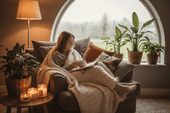
Your environment plays a crucial role in how well you can relax. Here are some tips for creating a soothing space:
- Declutter: A tidy space can lead to a clearer mind. Spend a few minutes each day organizing your surroundings.
- Incorporate Nature: Adding plants or natural elements can create a calming atmosphere. Consider placing a small plant on your desk or opening a window for fresh air.
- Adjust Lighting: Soft lighting promotes relaxation. Use lamps or dimmers instead of harsh overhead lights.
Additionally, using tools like a Smart Eye Massager can enhance your relaxation experience. This device helps soothe tired eyes and promotes overall relaxation through gentle massage and heat therapy. Consider including it in your evening routine to unwind after a long day.
Checklist for Creating a Daily Relaxation Schedule
To help you integrate relaxation into your routine, here’s a simple checklist:
- Choose a specific time each day for relaxation.
- Set up a calming environment (tidy space, soft lighting).
- Incorporate a relaxation tool, like a Smart Eye Massager, into your routine.
- Consider practicing mindfulness or meditation during this time.
- Reflect on your feelings post-relaxation to assess its impact.
The Role of Technology in Relaxation
Modern technology offers various tools that can significantly enhance your relaxation practices. From meditation apps to innovative devices, here’s how technology can support your journey toward better mental health.
Apps for Meditation and Mindfulness
Numerous apps can guide you through meditation and mindfulness exercises. Some popular options include:
- Headspace: Offers guided meditations and mindfulness techniques tailored to various needs.
- Calm: Features a wide range of meditative practices, sleep stories, and relaxation music.
- Insight Timer: Provides a vast library of free meditations and community discussions.
These apps can help you establish a regular practice, making it easier to incorporate relaxation into your daily life.
Wearable Devices that Promote Relaxation
Wearable technology also plays a role in relaxation. Devices such as smartwatches can track your stress levels and remind you to take breaks. Some even offer guided breathing exercises to help you relax. Consider investing in a device that suits your needs and can serve as a reminder to focus on your well-being.
Benefits of Using a Smart Eye Massager
The Smart Eye Massager is a valuable tool for relaxation. Here are some benefits:
- Relieves Eye Strain: Ideal for those who spend long hours in front of screens, it helps alleviate fatigue and discomfort.
- Enhances Relaxation: The gentle massage and heat can promote relaxation and reduce stress levels.
- Improves Sleep Quality: Using the device before bedtime can help you unwind, making it easier to fall asleep.
Incorporating a Smart Eye Massager into your relaxation routine can provide both immediate and long-term benefits for your mental health.
Challenges to Relaxation and How to Overcome Them
Finding time to relax can feel daunting, especially with numerous obligations and distractions. Here are common obstacles and practical strategies to overcome them.
Time Constraints and Busy Schedules
Many individuals struggle to carve out moments for relaxation amidst packed schedules. Prioritize relaxation just as you would any other essential appointment. Consider these tips:
- Schedule Relaxation: Block out specific times in your calendar dedicated solely to relaxation, whether it’s 10 minutes for deep breathing or a longer session for meditation.
- Start Small: If time is tight, begin with just a few minutes each day. Gradually increase this time as you become more comfortable with your relaxation routine.
- Utilize Breaks: Use short breaks throughout your day for quick relaxation techniques, such as a few minutes of mindfulness or a brief walk to clear your mind.
Mental Barriers to Relaxation
Even when you have the time, mental barriers like anxiety or racing thoughts can impede relaxation efforts. Here are strategies to combat these barriers:
- Mindfulness Practice: Engage in mindfulness meditation to bring your focus back to the present moment, helping to quiet your mind and reduce anxiety.
- Positive Affirmations: Replace negative thoughts with positive affirmations. Remind yourself that taking time to relax is not only acceptable but necessary for your well-being.
- Visualizations: Use visualization techniques to create a mental image of a peaceful place, helping shift your mindset and promote relaxation.
Environmental Distractions
Your surroundings can significantly impact your ability to relax. To create a calming environment, consider these tips:
- Designate a Relaxation Space: Choose a specific area in your home dedicated to relaxation. Make this space inviting with comfortable seating, soft lighting, and calming decor.
- Minimize Noise: Use noise-canceling headphones or play soothing background music to drown out distracting sounds.
- Limit Screen Time: Reduce exposure to screens before your relaxation sessions to lower mental stimulation and prepare your mind for a peaceful state.
Measuring the Impact of Relaxation on Mental Health
Understanding the effectiveness of your relaxation practices can provide motivation and insight into your mental health journey. Here are ways to measure the impact of relaxation on your well-being:
Signs of Improved Mental Health
As you incorporate relaxation techniques into your routine, watch for these positive changes:
- Decreased Anxiety: You may notice a reduction in feelings of anxiety and stress after consistent relaxation practices.
- Improved Sleep Quality: Better relaxation can lead to more restful sleep, which is crucial for mental health.
- Enhanced Focus: A calmer mind often results in improved concentration and productivity.
Journaling for Self-Reflection
Keeping a journal can effectively track your relaxation journey. Consider these prompts:
- What relaxation techniques did I practice today?
- How did I feel before and after my relaxation session?
- What challenges did I face in my relaxation efforts, and how did I address them?
Regular journaling can help you identify trends in your mental health and the effectiveness of various relaxation methods.
Seeking Professional Guidance if Needed
If you’re struggling to see improvements in your mental health despite your best efforts, consulting with a mental health professional may be beneficial. They can provide tailored advice and additional strategies to enhance your relaxation practices.
A Simple Self-Assessment Questionnaire
Use the following self-assessment to gauge the effectiveness of your relaxation techniques:
- On a scale of 1-10, how relaxed do you feel after your relaxation session?
- How often do you practice relaxation techniques (daily, weekly, etc.)?
- Have you noticed any changes in your mood or stress levels since starting relaxation practices?
Reflecting on your responses can help you adjust your approach to relaxation and ensure it’s beneficial for your mental health.
By addressing common challenges and measuring the impact of your relaxation techniques, you can foster a more profound sense of well-being and resilience. Embrace the journey toward better mental health, and remember that every small step counts!
Linked Product

Smart Eye Massager
The Smart Eye Massager offers a relaxing experience for tired eyes through gentle warmth, air compression, and soothing vibration. Ideal for use after long days or screen time, it helps ease tension and fatigue, making it a great addition to your evening wind-down routine. Lightweight and portable, it's suitable for home use, breaks at work, or travel, allowing you to create moments of comfort wherever you are.
View ProductPros and Cons
| Advantages of Relaxation | Drawbacks of Relaxation |
|---|---|
| Reduces stress and anxiety levels. | May require time commitment that some find difficult to prioritize. |
| Improves cognitive function and emotional regulation. | Initial discomfort or resistance to relaxation techniques may occur. |
| Enhances overall mental health and well-being. | Environmental distractions can hinder the effectiveness of relaxation. |
| Can be tailored to fit individual lifestyles and preferences. | Immediate results may vary, potentially leading to frustration. |
| Promotes better sleep quality. | Requires consistent practice to see long-term benefits. |
Who It's For (And Not For)
Who It's For
- Individuals Experiencing High Stress Levels: If you frequently feel overwhelmed by stress and anxiety, incorporating relaxation techniques can help alleviate these feelings.
- People Seeking Improved Mental Health: Those looking to enhance their overall mental well-being and emotional regulation will benefit from regular relaxation practices.
- Busy Professionals: If you have a hectic schedule, finding even a few minutes for relaxation can significantly impact your stress management.
- Anyone Looking to Enhance Focus: If you struggle with concentration and productivity, relaxation techniques can help clear your mind and improve focus.
Who It's Not For
- Individuals Unwilling to Commit Time: If you are not ready to dedicate time to relaxation practices, you may not experience the benefits.
- Those Who Prefer Active Stress Management: If you thrive on physical activity or other dynamic methods of stress relief, relaxation techniques may not resonate with you.
- People with Severe Mental Health Issues: If you are facing significant mental health challenges, seeking professional help is recommended over self-guided relaxation techniques.
- Individuals Who Find It Hard to Focus: If you struggle with concentration during quiet activities, you may find relaxation techniques frustrating rather than beneficial.
Key Takeaways
- Relaxation is essential for mental health: It counteracts the stress response, reducing anxiety and promoting well-being.
- Effective relaxation techniques include: Mindfulness, deep breathing, and progressive muscle relaxation, each offering unique benefits.
- Creating a calming environment: Declutter your space, incorporate natural elements, and use soft lighting to enhance relaxation.
- Technology can aid relaxation: Utilize meditation apps and wearable devices to support your relaxation practices.
- Consistency is key: Regular practice of relaxation techniques reinforces their benefits and helps manage stress effectively.
- Overcoming barriers to relaxation: Schedule relaxation time, practice mindfulness, and create a designated relaxation space to minimize distractions.
- Measuring relaxation's impact: Track changes in anxiety levels, sleep quality, and focus to assess the effectiveness of your relaxation techniques.