This article explores the concept of guided relaxation, highlighting its benefits for mental and physical well-being, particularly in reducing stress and eye fatigue. Readers will learn various techniques and practices, such as breathing exercises and visualization, that can be easily integrated into daily life to promote relaxation. Additionally, the article offers tips for creating a dedicated relaxation space and incorporating these practices into a busy schedule for enhanced overall health.
Table of Contents
- Understanding Guided Relaxation
- Benefits of Guided Relaxation
- Common Guided Relaxation Practices
- Techniques for Guided Relaxation
- Breathing Exercises
- Visualization Techniques
- Progressive Muscle Relaxation
- Tools to Enhance Your Relaxation Experience
- Meditation Apps
- Relaxation Music Playlists
- Guided Imagery Resources
- Creating a Relaxation Space
- The Importance of a Dedicated Space
- Elements to Include
- Tips for Minimizing Distractions
- Checklist for Setting Up a Relaxation Space
- Incorporating Guided Relaxation into Daily Life
- Setting a Routine
- Finding Time in a Busy Schedule
- Using Reminders and Prompts
- Sample Weekly Relaxation Schedule
- Addressing Eye Fatigue with Guided Relaxation
- Symptoms of Eye Fatigue
- How Relaxation Techniques Can Help
- Combining Relaxation with Eye Exercises
Understanding Guided Relaxation
Guided relaxation is a structured approach to achieving deep relaxation, often facilitated by a trained professional or through recorded sessions. This practice enhances both mental and physical well-being by effectively reducing stress, anxiety, and tension. It also serves as an effective eye fatigue solution, encouraging breaks from screens and promoting overall relaxation.

Benefits of Guided Relaxation
Engaging in guided relaxation offers numerous benefits, including:
- Stress Reduction: Regular practice can lower cortisol levels, leading to decreased feelings of stress.
- Improved Focus: Calming the mind enhances concentration and mental clarity.
- Better Sleep: Incorporating relaxation techniques can lead to improved sleep quality.
- Enhanced Emotional Health: It helps manage anxiety and fosters a more positive outlook.
- Relief from Eye Fatigue: Taking time to relax the eyes and mind alleviates symptoms associated with prolonged screen time.
Common Guided Relaxation Practices
Here are some popular guided relaxation practices you can easily incorporate into your routine:
- Guided Imagery: Visualizing peaceful scenes or scenarios to promote relaxation.
- Mindfulness Meditation: Focusing on the present moment and observing thoughts without judgment.
- Body Scan: A technique that involves mentally scanning your body for areas of tension and consciously relaxing them.
- Breathing Exercises: Techniques that emphasize slow, deep breathing to calm the nervous system.
Techniques for Guided Relaxation
Utilizing specific techniques can enhance your guided relaxation experience. Here are three effective methods you can practice:
Breathing Exercises
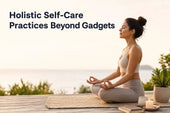
Breathing exercises are foundational for achieving relaxation. Here’s a simple technique:
- Find a Comfortable Position: Sit or lie down in a quiet space.
- Close Your Eyes: This helps minimize distractions.
- Inhale Deeply: Breathe in through your nose for a count of four, filling your belly with air.
- Hold Your Breath: Keep the air in for a count of four.
- Exhale Slowly: Release the air through your mouth for a count of four.
- Repeat: Continue this cycle for several minutes, focusing solely on your breath.
Visualization Techniques
Visualization can transport your mind to a calming place. Follow these steps:
- Choose a Scene: Pick a peaceful location, like a beach or forest.
- Close Your Eyes: Allow your mind to focus on the chosen scene.
- Engage Your Senses: Imagine the sounds, smells, and sensations of being in that place.
- Stay Present: Spend 5-10 minutes immersing yourself in this visual experience.
Progressive Muscle Relaxation
This technique involves tensing and relaxing different muscle groups to release tension:
- Start with Your Toes: Tense the muscles in your toes for five seconds.
- Release: Relax your toes and notice the difference.
- Move Upward: Continue this process with your feet, calves, thighs, abdomen, arms, and face.
- Finish with Deep Breaths: After tensing and relaxing all muscle groups, take several deep breaths to enhance relaxation.
Incorporating these techniques into your daily routine can significantly reduce stress and contribute to your overall health. They also serve as an effective eye fatigue solution, giving your eyes and mind the break they need. Regular practice of guided relaxation cultivates a sense of calm and well-being that extends beyond your relaxation sessions.
Tools to Enhance Your Relaxation Experience
To fully embrace guided relaxation, utilizing the right tools can significantly enhance your experience. Here are some popular options that can help you on your journey to relaxation:
Meditation Apps
Meditation apps are excellent resources for guided relaxation. They offer a variety of sessions tailored to different needs, whether you are looking to unwind after a long day or need a quick break during your busy schedule. Here’s a comparison of some popular meditation apps:
| App Name | Features | Cost |
|---|---|---|
| Headspace | Guided meditations, sleep sounds, focus music | Free trial, then subscription |
| Calm | Sleep stories, mindfulness courses, music | Free trial, then subscription |
| Insight Timer | Thousands of free meditations, community features | Free with optional premium features |
Using these apps can help you establish a regular practice of guided relaxation, making it easier to combat daily stressors and serve as an eye fatigue solution.
Relaxation Music Playlists
Music can profoundly affect your mood and relaxation levels. Many platforms offer curated playlists specifically designed to promote relaxation. Consider exploring:
- YouTube: Search for "relaxation music" or "ambient sounds" for endless free options.
- Spotify: Check out playlists like "Peaceful Piano" or "Deep Focus" that create a calming atmosphere.
- Apple Music: Look for their "Relaxation" section for expertly curated tracks.
Listening to relaxation music while practicing guided techniques can further enhance your experience, making it easier to focus and release tension.
Guided Imagery Resources
Guided imagery is another effective technique for relaxation. Various resources are available to help you visualize peaceful scenes and experiences. Explore:
- Online Videos: Platforms like YouTube offer guided imagery sessions led by experienced practitioners.
- Audio Downloads: Websites often provide downloadable guided imagery exercises that you can listen to anytime.
- Books and E-books: Look for titles that focus on guided imagery techniques, providing scripts and exercises you can follow.
Incorporating guided imagery into your relaxation routine can help reduce stress and promote a sense of calm, making it a valuable tool in addressing eye fatigue.
Creating a Relaxation Space
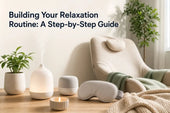
Establishing a dedicated space for relaxation is crucial for maximizing the effectiveness of your guided relaxation practices. Here’s how to create an ideal environment:
The Importance of a Dedicated Space
A designated relaxation space signals to your mind and body that it’s time to unwind. This space should be free of distractions and clutter, allowing you to fully immerse yourself in the relaxation experience.
Elements to Include
Consider incorporating the following elements to enhance your relaxation space:
- Lighting: Soft, adjustable lighting can create a soothing atmosphere. Consider using lamps with warm bulbs or string lights.
- Sound: Background music or nature sounds can help drown out distractions. A sound machine can also be beneficial.
- Comfort: Invest in comfortable seating or cushions to support your body during relaxation sessions.
- Essential Oils: Aromatherapy can amplify relaxation. Use a diffuser with calming scents like lavender or chamomile.
Tips for Minimizing Distractions
To fully benefit from your relaxation space, minimize distractions:
- Keep electronic devices out of reach, or silence notifications.
- Use curtains or blinds to block out outside noise and light.
- Maintain a tidy environment by regularly decluttering your space.
Checklist for Setting Up a Relaxation Space
Here’s a quick checklist to help you set up your relaxation space:
- Choose a quiet location in your home.
- Gather comfortable seating or cushions.
- Set up soft lighting options.
- Add calming scents with essential oils.
- Include sound sources, like music or nature sounds.
- Keep the space tidy and organized.
By creating a dedicated relaxation space, you can enhance your guided relaxation practices, making it easier to combat stress and effectively address issues like eye fatigue.
Incorporating Guided Relaxation into Daily Life
Integrating guided relaxation into your daily life can transform your mental and physical well-being. The key to making this practice stick is to establish a routine that fits seamlessly into your schedule. Here are some practical strategies to help you incorporate relaxation techniques into your everyday activities.
Setting a Routine
Establishing a regular time for guided relaxation can significantly enhance its effectiveness. Consider the following tips:
- Choose a Specific Time: Whether it's early morning or before bedtime, pick a time that works best for you.
- Start Small: Begin with just 5-10 minutes a day, gradually increasing the duration as you become more comfortable with the practice.
- Consistency is Key: Try to practice at the same time each day to build a habit.
Finding Time in a Busy Schedule
Even with a packed schedule, it's possible to fit guided relaxation into your day. Here are some ideas:
- Utilize Breaks: Use short breaks during work or daily tasks to practice quick relaxation techniques.
- Combine Activities: Incorporate relaxation exercises while doing chores, like deep breathing while washing dishes.
- Wake Up or Wind Down: Use your morning or evening routine to include guided relaxation, setting a positive tone for the day or winding down effectively.
Using Reminders and Prompts
Sometimes, all it takes is a little nudge to remind you to take time for yourself. Here’s how to keep relaxation at the forefront:
- Set Alarms: Use your phone or a timer to remind you to take a relaxation break.
- Visual Cues: Place reminders in visible areas, like sticky notes on your desk or bathroom mirror, to prompt you to practice.
- Relaxation Apps: Many apps offer guided sessions and can send notifications to encourage you to engage in relaxation practices.
Sample Weekly Relaxation Schedule
Creating a structured schedule can help you stay consistent. Here’s a sample weekly plan to get you started:
| Day | Relaxation Activity | Duration |
|---|---|---|
| Monday | Guided Breathing | 10 minutes |
| Tuesday | Progressive Muscle Relaxation | 15 minutes |
| Wednesday | Visualization Exercise | 10 minutes |
| Thursday | Mindfulness Meditation | 20 minutes |
| Friday | Guided Imagery | 15 minutes |
| Saturday | Nature Sounds Listening | 30 minutes |
| Sunday | Reflection and Journaling | 20 minutes |
Addressing Eye Fatigue with Guided Relaxation
Eye fatigue is a common issue, especially in our digital age. Guided relaxation can serve as an effective eye fatigue solution by helping to relax both your mind and your eyes. Understanding the symptoms and how to address them is crucial.
Symptoms of Eye Fatigue
Eye fatigue can manifest in various ways, including:
- Dry or irritated eyes
- Blurred vision
- Headaches
- Tiredness or heaviness in the eyes
- Difficulty focusing
How Relaxation Techniques Can Help
Incorporating guided relaxation techniques can effectively alleviate the discomfort associated with eye fatigue. Here’s how:
- Reduces Stress: Relaxation techniques lower stress levels, which can contribute to eye strain.
- Improves Blood Circulation: Relaxation promotes better blood flow to the eyes, helping to reduce fatigue.
- Enhances Focus: Mindfulness and visualization exercises can improve concentration, reducing the likelihood of straining your eyes.
Combining Relaxation with Eye Exercises
To maximize the benefits, consider integrating simple eye relaxation exercises into your routine. Here are a couple to try:
- Palming: Rub your hands together to create warmth, then gently cup your palms over your closed eyes for a few minutes. This soothes tired eyes and encourages relaxation.
- 20-20-20 Rule: Every 20 minutes, look at something 20 feet away for at least 20 seconds to help reduce strain.
By incorporating guided relaxation into your daily life and addressing eye fatigue with specific techniques, you can enhance your overall well-being while effectively managing discomfort. Prioritize your relaxation practice, and watch how it transforms your daily routine!
Linked Product

Smart Eye Massager
The Smart Eye Massager offers a soothing solution for tired eyes with its combination of gentle warmth, air compression, and vibration. Ideal for use after long days or screen time, it helps alleviate tension and fatigue, creating a calming ritual for relaxation. Its lightweight and portable design makes it suitable for home use, breaks at work, or travel, allowing you to easily incorporate moments of comfort into your daily routine.
View ProductPros and Cons
| Advantages of Guided Relaxation | Drawbacks of Guided Relaxation |
|---|---|
| Reduces stress and anxiety levels. | May require time commitment for effective practice. |
| Improves focus and mental clarity. | Initial difficulty in achieving relaxation for beginners. |
| Enhances sleep quality and emotional health. | Results may vary from person to person. |
| Relieves symptoms of eye fatigue. | Can be challenging to find a quiet space. |
| Accessible through various apps and resources. | Potential reliance on technology or guided sessions. |
Who It's For (And Not For)
Who It's For
- Individuals Experiencing Stress: If you frequently feel overwhelmed or anxious, guided relaxation can help reduce your stress levels.
- People Seeking Better Sleep: Those struggling with sleep issues may find that relaxation techniques improve their sleep quality.
- Anyone with Eye Fatigue: If you spend long hours in front of screens, guided relaxation can provide relief from eye strain and fatigue.
- Individuals Looking for Improved Focus: Practicing relaxation techniques can enhance concentration and mental clarity.
- Those Interested in Emotional Well-Being: Guided relaxation can foster a more positive outlook and help manage anxiety.
Who It's Not For
- Individuals with Severe Mental Health Issues: Those with serious mental health conditions should consult a professional before starting relaxation techniques.
- People Who Prefer High-Intensity Activities: If you thrive on high-energy workouts or activities, guided relaxation may not align with your preferred approach to stress relief.
- Individuals Unwilling to Dedicate Time: If you cannot commit to regular practice, you may not experience the full benefits of guided relaxation.
- Those Who Dislike Quiet or Stillness: If you find it difficult to sit quietly or prefer active forms of relaxation, this method may not suit you.
- People Seeking Immediate Results: Guided relaxation is a gradual process; those looking for quick fixes may find it frustrating.
Key Takeaways
- Guided relaxation is a structured method for achieving deep relaxation, beneficial for mental and physical well-being.
- Regular practice can lead to significant stress reduction by lowering cortisol levels.
- Incorporating relaxation techniques can improve sleep quality and enhance emotional health.
- Common practices include guided imagery, mindfulness meditation, and breathing exercises.
- Creating a dedicated relaxation space can enhance the effectiveness of your relaxation practices.
- Utilizing tools like meditation apps and relaxation music playlists can support a consistent relaxation routine.
- Guided relaxation can also serve as an effective solution for eye fatigue, alleviating symptoms associated with screen time.