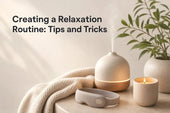
Finding moments to relax during your busy day can transform your mental and physical health. By incorporating simple relaxation techniques into your morning, midday, and evening routines, you can reduce stress, boost focus, and improve sleep quality. Prioritizing these breaks not only enhances your well-being but also fosters a more balanced lifestyle.
Table of Contents
- Understanding the Importance of Relaxation
- Morning Moments: Starting Your Day Right
- Benefits of Morning Relaxation Techniques
- Example Morning Routine Incorporating Relaxation
- Midday Breaks: Recharging Your Energy
- When to Take a Midday Break
- Evening Wind Down: Preparing for Rest
- Checklist for an Effective Evening Relaxation Routine
- Integrating Relaxation Techniques into Your Routine
- Identify Personal Relaxation Preferences
- Schedule Relaxation Times in Your Calendar
- Experiment with Different Techniques
- Utilizing Tools for Enhanced Relaxation
- Consider Ergonomic Designs for Comfort
- Explore Options Like Massagers for Targeted Relief
- Evaluate the Benefits of Portable Relaxation Tools
- Avoiding Common Pitfalls in Relaxation Practices
- Over-Scheduling Relaxation Time
- Choosing Techniques That Don't Resonate Personally
- Neglecting to Adjust Routines as Needed
Finding the best times for relaxation throughout your day can significantly enhance your overall well-being. By integrating relaxation techniques into your daily routine, you can reduce stress, improve focus, and promote better physical health. Understanding when to take these moments for yourself is crucial for maintaining a balanced lifestyle.
Understanding the Importance of Relaxation
Relaxation is not just a luxury; it’s a necessity for maintaining mental and physical health. Here are a few key reasons why prioritizing relaxation can benefit you:
- Reduces stress and anxiety: Regular relaxation practices can lower cortisol levels, helping you feel more at ease.
- Improves focus and productivity: Taking breaks to relax can rejuvenate your mind, leading to enhanced concentration when you return to tasks.
- Enhances physical health: Relaxation techniques can lower blood pressure, improve heart health, and promote better sleep.
Recognizing the signs that indicate your body needs a break is vital. Here’s a quick checklist to help you identify when it’s time to unwind:
- Feeling overwhelmed or anxious
- Struggling to concentrate on tasks
- Experiencing physical tension, especially in the neck and shoulders
- Noticing fatigue despite adequate rest
Morning Moments: Starting Your Day Right
Starting your day with intentional relaxation can set a positive tone that lasts throughout the day. Morning moments of calm are among the best times for relaxation, as they prepare your mind and body for the challenges ahead. Incorporating mindfulness or light stretching into your early routine can be as simple as dedicating just 5-10 minutes to yourself.
Benefits of Morning Relaxation Techniques
Here are some compelling reasons to include relaxation in your morning routine:
- Sets a positive tone for the day: Engaging in relaxation first thing can create a sense of calm that influences your mood.
- Incorporates mindfulness or light stretching: These activities help awaken your body and mind gently, reducing the jolt of a busy morning.
- Can be as short as 5-10 minutes: Even a brief period of relaxation can yield significant benefits, making it easy to fit into your schedule.
Example Morning Routine Incorporating Relaxation
Here’s a simple morning routine that incorporates relaxation:
| Time | Activity |
|---|---|
| 7:00 AM | Wake up and take a few deep breaths to center yourself. |
| 7:05 AM | Engage in light stretching for 5 minutes to loosen up your muscles. |
| 7:10 AM | Spend 5 minutes practicing mindfulness or meditation to clear your mind. |
By starting your day with these simple yet effective relaxation techniques, you can set a strong foundation for a productive and enjoyable day. Remember, integrating relaxation into your daily routine is key to managing stress and enhancing your overall well-being.
Midday Breaks: Recharging Your Energy
Integrating relaxation into your daily routine is crucial, especially during those hectic work hours. Midday breaks serve as a powerful tool for recharging your energy and enhancing your productivity. By taking time out to relax, you can significantly improve your concentration and reduce feelings of fatigue.
Here are some key benefits of taking midday breaks:
- Improves concentration: Short breaks can help clear your mind, allowing you to return to your tasks with renewed focus.
- Reduces fatigue: Giving your body and mind a moment to rest prevents burnout and keeps your energy levels steady throughout the day.
- Encourages movement and stretching: A quick walk or some gentle stretches can alleviate physical tension and promote better circulation.
- Includes short meditation or breathing exercises: These practices can ground you, reducing stress and enhancing your overall well-being.
When to Take a Midday Break
To optimize the benefits of your midday relaxation, consider the following decision rule:
- Duration: Aim for a break every 60 to 90 minutes of continuous work.
- Signs to take a break: If you find yourself losing focus, feeling physically tense, or experiencing eye strain, it's time to step away.
- Activities: Choose activities that resonate with you, whether it's a quick walk, a few minutes of meditation, or simple stretches.
By recognizing the signs that indicate the need for a break, you can effectively incorporate relaxation techniques into your daily routine. A thoughtful approach to your midday breaks can transform your productivity and well-being.
Evening Wind Down: Preparing for Rest
As the day comes to a close, it's essential to establish a calming evening routine that prepares your body and mind for restful sleep. Taking the time to wind down not only signals to your body that it's time to rest but also enhances your sleep quality.
Here are some effective techniques to incorporate into your evening relaxation:
- Reading: Set aside time to immerse yourself in a book. This can be a great way to disconnect from screens and engage your imagination.
- Gentle yoga: Practicing light stretches or yoga can release tension built up during the day and promote relaxation.
- Using a massager: Tools like a Shiatsu Neck & Shoulder Massager can be particularly beneficial. Designed for moments when your body needs a little extra care, it offers a deep, relaxing massage that eases muscle tension in the neck, shoulders, and upper back. With adjustable intensity levels and a comfortable ergonomic design, you can personalize each session based on how your body feels.
Checklist for an Effective Evening Relaxation Routine
To ensure your evening wind down is effective, consider this checklist:
- Set a specific time: Aim to start your evening routine at the same time each night to create consistency.
- Limit screen time: Try to avoid electronic devices at least 30 minutes before bed to help your body produce melatonin naturally.
- Incorporate calming activities: Choose activities that promote relaxation, such as deep breathing exercises or light stretching.
- Create a comfortable environment: Dim the lights and ensure your space is conducive to relaxation.
By following these evening relaxation techniques, you can significantly improve your overall sleep quality and set a positive tone for the following day. Remember, integrating relaxation into your routine is not just about the time spent; it's about the quality of those moments.
Integrating Relaxation Techniques into Your Routine
To truly benefit from relaxation, it’s essential to make it a regular part of your daily life. Here are some effective strategies to help you seamlessly integrate relaxation techniques into your routine:
Identify Personal Relaxation Preferences
Everyone has different ways to unwind. Take some time to explore and identify what relaxation techniques resonate with you. Here are a few options to consider:
- Meditation: A few minutes of focused breathing can clear your mind.
- Gentle Yoga: Stretching can help release physical tension.
- Nature Walks: Spending time outdoors can rejuvenate your spirit.
- Reading: Escaping into a good book can be a great way to relax.
By pinpointing what works best for you, you can tailor your relaxation techniques to fit your personal preferences.
Schedule Relaxation Times in Your Calendar
Just like any other important appointment, scheduling relaxation into your day can ensure that you prioritize it. Consider the following tips:
- Morning Ritual: Start your day with a brief relaxation session, perhaps involving light stretching or mindfulness.
- Midday Break: Set aside 10-15 minutes during lunch to step away from work and practice deep breathing or a quick walk.
- Evening Wind Down: Dedicate time before bed for activities like reading or using a massager to ease muscle tension.
By blocking out time for relaxation, you create a daily relaxation schedule that becomes a non-negotiable part of your routine.
Experiment with Different Techniques
Don’t be afraid to try various relaxation techniques to see what suits you best. Here are some suggestions:
- Mindfulness Meditation: Focus on your breath and bring awareness to the present moment.
- Progressive Muscle Relaxation: Tense and then relax different muscle groups to release tension.
- Guided Imagery: Visualize calming scenes or experiences to promote relaxation.
As you experiment, keep a journal to track which methods resonate most with you and how they impact your mood and stress levels.
Utilizing Tools for Enhanced Relaxation
Incorporating tools into your relaxation routine can enhance your experience. Here are some options to consider:
Consider Ergonomic Designs for Comfort
Investing in ergonomic tools can make your relaxation sessions more comfortable. Items like ergonomic chairs or cushions can provide support during relaxation practices, making it easier to settle into a calm state.
Explore Options Like Massagers for Targeted Relief
Using devices such as a neck and shoulder massager can help alleviate tension in specific areas of your body. For instance, the Shiatsu Neck & Shoulder Massager is designed to deliver a soothing massage that mimics traditional techniques, helping to ease muscle tension and promote relaxation.
Evaluate the Benefits of Portable Relaxation Tools
Portable relaxation tools can make it easy to unwind wherever you are. Consider options like:
- Portable Massagers: Great for on-the-go relief.
- Essential Oil Rollers: For aromatherapy benefits anywhere.
- Noise-Canceling Headphones: To create a peaceful environment for meditation or relaxation.
Having these tools readily available can encourage you to take relaxation breaks throughout your day.
Avoiding Common Pitfalls in Relaxation Practices
While incorporating relaxation into your routine is beneficial, there are common pitfalls to be aware of:
Over-Scheduling Relaxation Time
Ironically, over-scheduling relaxation can lead to stress. Instead of treating it as another task on your to-do list, allow flexibility in your schedule. Listen to your body and take breaks when you feel the need.
Choosing Techniques That Don't Resonate Personally
Not every relaxation technique works for everyone. If you find that a particular method isn’t effective for you, don’t hesitate to try something new. Personalization is key to successful relaxation.
Neglecting to Adjust Routines as Needed
Your needs may change over time, and so should your relaxation routine. Regularly assess your relaxation practices and make adjustments based on your current stress levels and lifestyle changes.
By proactively addressing these pitfalls, you can create a more effective and enjoyable relaxation routine that enhances your overall well-being.
Linked Product

Shiatsu Neck & Shoulder Massager
The Shiatsu Neck & Shoulder Massager provides a deep, relaxing massage experience designed to alleviate tension in the neck, shoulders, and upper back. With adjustable intensity levels and a cordless, ergonomic design, it allows for personalized use at home, work, or while traveling. This massager is a convenient solution for those seeking to unwind and recover from daily stress.
View ProductPros and Cons
| Advantages of Relaxation | Drawbacks of Relaxation |
|---|---|
| Reduces stress and anxiety, leading to a calmer mindset. | Over-scheduling relaxation can create additional stress. |
| Improves focus and productivity after breaks. | Some techniques may not resonate with everyone, leading to frustration. |
| Enhances physical health by lowering blood pressure and improving sleep. | Neglecting to adjust routines can lead to ineffective practices. |
| Short relaxation sessions can easily fit into busy schedules. | It may take time to find the right techniques that work for you. |
Who It's For (And Not For)
Who It's For
- Individuals Seeking Stress Relief: If you often feel overwhelmed or anxious, incorporating relaxation techniques can significantly help manage your stress levels.
- Busy Professionals: Those with hectic work schedules can benefit from midday breaks to recharge and enhance productivity.
- People Looking to Improve Sleep Quality: Establishing an evening wind-down routine can prepare your mind and body for restful sleep.
- Anyone Interested in Personal Well-Being: If you value mental and physical health, integrating relaxation into your daily routine is essential.
Who It's Not For
- Individuals Who Prefer High-Intensity Activities: If you thrive on constant action and find relaxation techniques unappealing, this approach may not suit you.
- People with Rigid Schedules: If your daily routine does not allow for flexibility, integrating relaxation may feel like an added burden.
- Those Unwilling to Experiment: If you are not open to trying different techniques to find what works for you, relaxation practices may not yield desired benefits.
- Individuals Who Are Unfamiliar with Relaxation Techniques: If you have not explored any relaxation methods, it may take time to find what resonates with you, which could be discouraging.
Key Takeaways
- Prioritize relaxation: Regular relaxation is essential for reducing stress and improving mental and physical health.
- Morning relaxation: Start your day with 5-10 minutes of mindfulness or light stretching to set a positive tone.
- Midday breaks: Take breaks every 60-90 minutes to recharge your energy and enhance focus.
- Evening wind down: Establish a calming routine before bed, including reading and limiting screen time.
- Identify personal preferences: Explore different relaxation techniques like meditation, yoga, or nature walks to find what works best for you.
- Schedule relaxation: Treat relaxation as a priority by blocking time in your calendar for consistent practice.
- Avoid common pitfalls: Stay flexible with your relaxation schedule and adjust techniques as needed to maintain effectiveness.