After a busy week, Sundays offer a chance to recharge and prepare for the upcoming days. By implementing effective recovery strategies—such as creating a calming home environment, practicing mindfulness, and engaging in gentle physical activities—you can enhance your mental and physical well-being. Prioritizing these practices sets a positive tone for a more productive week ahead.
Table of Contents
- Understanding the Importance of Recovery
- Creating a Relaxing Environment at Home
- Choosing the Right Lighting and Scents
- Decluttering for a Peaceful Atmosphere
- Incorporating Mindfulness and Meditation
- Benefits of Mindfulness for Stress Relief
- Simple Meditation Techniques to Try
- 5-Minute Guided Meditation Script
- Physical Activities for Recovery
- Benefits of Stretching and Light Exercise
- How to Choose Activities That Suit Your Energy Levels
- Sample Stretching Routine for Relaxation
- Using Massage for Tension Relief
- How Massage Helps Relieve Tension
- Different Types of Massage Techniques
- Planning Your Sunday Schedule
- Importance of Balancing Relaxation and Productivity
- How to Prioritize Activities for a Fulfilling Day
- Reflecting on the Week Ahead
After a hectic week, Sundays provide a valuable opportunity to recharge and prepare for the days ahead. Understanding how to spend a Sunday recovering from a busy week can significantly enhance your mental and physical well-being. By incorporating effective recovery strategies, you can set the stage for a more productive week while nurturing your body and mind.
Understanding the Importance of Recovery
Recovery is essential for maintaining both physical and mental health. After a busy week, your body may be fatigued, and your mind might feel cluttered. Taking time to recover can have profound benefits:
- Physical Benefits: Recovery helps to reduce muscle tension and restore energy levels, making you feel revitalized.
- Mental Benefits: It provides a chance to clear your mind, enhancing focus and creativity for the upcoming week.
- Productivity Boost: A well-rested mind is more effective, allowing you to tackle challenges with renewed vigor.
Recognizing when you need recovery is vital. Here’s a checklist of signs that indicate a need for recovery:
- Feeling constantly fatigued or drained.
- Experiencing difficulty concentrating or making decisions.
- Having increased irritability or mood swings.
- Noticing physical tension, especially in the neck and shoulders.
- Struggling to enjoy activities that you typically find pleasurable.
By acknowledging these signs, you can prioritize your recovery and ensure you’re ready to take on the week ahead.
Creating a Relaxing Environment at Home
Your home environment plays a crucial role in your ability to relax and recover. Here’s how to set up a calming space that promotes relaxation:
Choosing the Right Lighting and Scents
Lighting can significantly impact your mood. Opt for soft, warm lighting to create a cozy atmosphere. Consider using lamps or string lights instead of harsh overhead lights. Aromatherapy can also enhance your relaxation experience; scents like lavender and chamomile are known for their calming properties. Here’s how to incorporate them:
- Use essential oil diffusers or candles to fill your space with soothing scents.
- Consider adding plants that not only purify the air but also contribute to a serene environment.
Decluttering for a Peaceful Atmosphere
A cluttered space can lead to a cluttered mind. Take time to declutter your surroundings, creating a more peaceful atmosphere. Here’s a step-by-step guide to creating your relaxation corner:
- Choose a Dedicated Space: Find a quiet corner in your home where you can unwind without distractions.
- Clear the Clutter: Remove unnecessary items and organize your belongings. Keep only what brings you joy and relaxation.
- Add Comfort: Incorporate cozy blankets, cushions, or a comfortable chair to invite relaxation.
- Personal Touches: Decorate with items that inspire calm, such as artwork or photographs that bring you peace.
By creating a dedicated relaxation corner, you can easily retreat to a space designed for recovery, making it easier to unwind and recharge.
Incorporating Mindfulness and Meditation
Mindfulness and meditation are powerful tools that can significantly enhance your recovery process on a Sunday. Engaging in these practices not only helps to relieve stress but also fosters a sense of calm that can prepare you for the week ahead.
Benefits of Mindfulness for Stress Relief
Mindfulness encourages you to focus on the present moment, allowing you to step away from the chaos of daily life. Here are some notable benefits:
- Reduces Anxiety: By concentrating on the here and now, you can diminish feelings of worry about the future.
- Enhances Emotional Health: Regular mindfulness practice can lead to improved mood and emotional resilience.
- Increases Self-Awareness: Mindfulness helps you understand your thoughts and feelings better, contributing to personal growth.
Simple Meditation Techniques to Try
Starting a meditation practice doesn't require extensive training. Here are a couple of simple techniques you can incorporate into your Sunday recovery:
- Breath Awareness: Sit comfortably, close your eyes, and focus on your breathing. Inhale deeply through your nose, hold for a moment, and exhale slowly through your mouth. Aim to do this for 5 minutes.
- Body Scan: Lie down, close your eyes, and mentally scan your body from head to toe. Notice any areas of tension and consciously relax them.
5-Minute Guided Meditation Script
To help you get started, here’s a quick 5-minute guided meditation you can follow:
1. Find a quiet space where you won’t be disturbed. Sit or lie down comfortably.
2. Close your eyes and take three deep breaths. Inhale through your nose, hold, and exhale through your mouth.
3. Bring your attention to your breath. Notice the rise and fall of your chest or abdomen.
4. If your mind wanders, gently bring your focus back to your breath without judgment.
5. After a few minutes, slowly bring your awareness back to the room. Wiggle your fingers and toes, and when you’re ready, open your eyes.
Physical Activities for Recovery
Gentle physical activities are essential for recovery, as they help release built-up tension and improve your overall well-being. Incorporating light exercises into your Sunday routine can rejuvenate both your body and mind.
Benefits of Stretching and Light Exercise
Engaging in light physical activities has numerous advantages:
- Improves Flexibility: Stretching helps maintain muscle elasticity and joint mobility.
- Enhances Circulation: Light exercise boosts blood flow, promoting faster recovery of sore muscles.
- Reduces Stress: Physical activity releases endorphins, which are natural mood lifters.
How to Choose Activities That Suit Your Energy Levels
When selecting activities, it's crucial to listen to your body. Here are some tips:
- If you're feeling drained, opt for gentle yoga or simple stretching exercises.
- If you have more energy, consider a brisk walk or a leisurely bike ride.
- Always warm up before starting to prevent injuries, and cool down afterward.
Sample Stretching Routine for Relaxation
Here’s a simple stretching routine that can be completed in about 10-15 minutes:
- Neck Stretch: Sit comfortably and gently tilt your head to one side, holding for 15-20 seconds on each side.
- Shoulder Rolls: Roll your shoulders forward and backward in a circular motion for 30 seconds each.
- Cat-Cow Stretch: On all fours, alternate between arching your back (cat) and dropping your belly (cow) for 1 minute.
- Hamstring Stretch: Sit on the floor with one leg extended and the other bent. Reach towards your toes and hold for 15-20 seconds, then switch legs.
- Child’s Pose: Kneel on the floor, sit back on your heels, and stretch your arms forward on the ground. Hold for 30 seconds.
By incorporating mindfulness, meditation, and gentle physical activities into your Sunday, you can effectively recover from a busy week, setting a positive tone for the days ahead. Embracing these practices not only enriches your weekend but also enhances your overall well-being.
Using Massage for Tension Relief
Massage therapy is a powerful tool for relieving tension and promoting relaxation, especially after a hectic week. It helps to alleviate muscle tightness, improve circulation, and reduce stress levels. Here are some insights into how massage can benefit your recovery process:
How Massage Helps Relieve Tension
Massage works by manipulating the soft tissues of the body, which can lead to a decrease in muscle soreness and tension. When you engage in physical activities during the week, your muscles can become tight and fatigued. Massage aids in:
- Increasing blood flow: Enhanced circulation helps deliver oxygen and nutrients to the muscles, facilitating recovery.
- Reducing cortisol levels: This stress hormone can contribute to feelings of anxiety and tension, and massage can help lower its levels in the body.
- Releasing endorphins: These natural painkillers elevate mood and promote a sense of well-being.
Different Types of Massage Techniques
There are various massage techniques that can cater to your specific needs:
- Swedish Massage: A gentle form of massage using long strokes, kneading, and circular movements to relax the entire body.
- Deep Tissue Massage: Focuses on deeper layers of muscle and connective tissue, ideal for chronic tension and pain.
- Trigger Point Therapy: Targets specific points of tightness in the muscles, offering relief from localized pain.
- Hot Stone Massage: Uses heated stones placed on key points of the body, promoting deep relaxation.
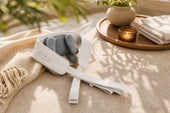
For a convenient option at home, consider using a Neck and Shoulder Massager. This device combines soothing heat therapy with gentle vibration and kneading, allowing you to unwind after a busy week. Its ergonomic design follows the natural shape of your neck and shoulders, ensuring comfort while you relax.
Planning Your Sunday Schedule
Creating a balanced Sunday schedule is essential for maximizing your recovery. A well-structured day allows you to unwind while also preparing for the week ahead. Here’s how to achieve that balance:
Importance of Balancing Relaxation and Productivity
While it’s crucial to set aside time for relaxation, incorporating some light productivity can make you feel accomplished. This balance helps you enter the new week with a refreshed mind and a sense of readiness. Consider the following:
- Allocate specific times for relaxation activities, such as reading or meditating.
- Set aside a short period for light chores or planning tasks to ease the transition into Monday.
- Include breaks between activities to avoid feeling overwhelmed.
How to Prioritize Activities for a Fulfilling Day
To ensure a fulfilling Sunday, create a list of activities you want to accomplish. Here’s a simple template to help you structure your day:
| Time | Activity | Notes |
|---|---|---|
| 8:00 AM - 9:00 AM | Morning Stretching or Yoga | Start your day with gentle movements to awaken your body. |
| 9:30 AM - 10:30 AM | Breakfast and Relaxation | Enjoy a healthy meal while reading or listening to music. |
| 11:00 AM - 12:00 PM | Light Chores or Planning | Organize your space or plan your week ahead. |
| 12:30 PM - 1:30 PM | Massage Session | Use a massager to target tension in your neck and shoulders. |
| 2:00 PM - 3:00 PM | Mindfulness or Meditation | Dedicate time to reflect and relax your mind. |
| 3:30 PM - 5:00 PM | Outdoor Activity | Take a walk or engage in light exercise to stay active. |
| 5:30 PM - 7:00 PM | Dinner Preparation | Cook a wholesome meal and enjoy it mindfully. |
| 7:30 PM - 9:00 PM | Wind Down | Read, watch a movie, or spend time with loved ones. |
Reflecting on the Week Ahead
As you prepare for the upcoming week, take a moment to reflect on your experiences and set intentions. This practice can enhance personal growth and ensure you approach the week with clarity and purpose. Here are some effective journaling prompts to guide your reflection:
- What were my biggest achievements this past week?
- What challenges did I face, and how did I overcome them?
- What am I looking forward to in the coming week?
- How can I support my well-being in the days ahead?
By incorporating these strategies into your Sunday routine, you’ll not only recover from a busy week but also set a positive tone for the days ahead. Embrace the opportunity to recharge, reflect, and prepare yourself for success!
Linked Product

Neck and Shoulder Massager
The Neck and Shoulder Massager offers a relaxing experience with its combination of soothing heat therapy, gentle vibration, and kneading massage. Its ergonomic design provides comfortable support, making it suitable for use at home, during work breaks, or while traveling. With adjustable heat and massage settings, you can personalize each session for whatever level of relaxation you need.
View ProductPros and Cons
| Advantages | Drawbacks |
|---|---|
| Enhances mental clarity and focus for the week ahead. | May require a significant time commitment to fully benefit. |
| Reduces physical tension and promotes relaxation. | Not all recovery methods work for everyone; individual preferences vary. |
| Incorporates mindfulness, improving emotional health. | Setting up a relaxing environment can be challenging in a busy home. |
| Encourages gentle physical activities, boosting overall well-being. | Potential for distractions that can hinder relaxation efforts. |
| Provides a structured approach to balancing relaxation and productivity. | May lead to guilt if relaxation time is perceived as unproductive. |
Who It's For (And Not For)
Who It's For
- Busy Professionals: If your week is filled with work-related stress and responsibilities, taking Sundays for recovery can help you recharge and enhance your productivity.
- Parents: Those managing family duties may find Sundays a perfect time to unwind and focus on self-care, ensuring they are more present for their loved ones during the week.
- Individuals Experiencing Fatigue: If you're feeling consistently drained or overwhelmed, prioritizing recovery strategies can significantly improve your mental and physical well-being.
- Mindfulness Enthusiasts: People interested in mindfulness and meditation will benefit from incorporating these practices into their Sunday routine for stress relief.
Who It's Not For
- Highly Structured Schedules: If your Sundays are already packed with obligations and activities, finding time for recovery may be challenging and counterproductive.
- People Uninterested in Self-Care: If you do not value or prioritize personal well-being, the strategies discussed may not resonate with you or seem necessary.
- Individuals Seeking Immediate Solutions: Those looking for quick fixes rather than sustainable practices may not find long-term recovery strategies beneficial.
- Active Socializers: If you prefer spending Sundays engaging in social activities rather than focusing on relaxation, the suggested practices may not align with your preferences.
Key Takeaways
- Recovery is vital: Taking time to recover after a busy week enhances both mental and physical health.
- Signs you need recovery: Look for fatigue, difficulty concentrating, irritability, physical tension, and a lack of enjoyment in activities.
- Create a calming environment: Use soft lighting and soothing scents like lavender to promote relaxation at home.
- Incorporate mindfulness: Practicing mindfulness and meditation can reduce anxiety and improve emotional health.
- Engage in gentle physical activities: Light exercises and stretching can enhance flexibility, circulation, and mood.
- Utilize massage therapy: Massage helps relieve tension, improve circulation, and reduce stress levels after a hectic week.
- Plan your Sunday: Balance relaxation with light productivity to prepare effectively for the week ahead.