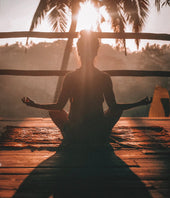
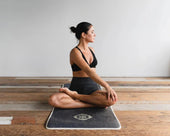
Understanding relaxation is essential for mental and physical health. This blog outlines various relaxation techniques, their benefits, and how tools like a Smart Eye Massager and Back Posture Corrector can enhance the experience. Key techniques include deep breathing, progressive muscle relaxation, and mindfulness. Establishing a consistent relaxation routine is crucial, as is debunking common misconceptions about relaxation being a waste of time. Embrace relaxation for improved well-being and productivity.
Frequently Asked Questions
1. What is relaxation?
2. Why is relaxation important?
3. What are some effective relaxation techniques?
4. How can relaxation tools enhance the experience?
5. What are common misconceptions about relaxation?
In our fast-paced world, relaxation often takes a back seat as we juggle work, family, and various commitments. Yet, understanding the science of relaxation is not just a luxury; it’s a necessity for both mental and physical well-being. In this blog post, we will explore relaxation techniques, the physiological benefits of relaxation, and how incorporating tools like a Smart Eye Massager and a Back Posture Corrector can enhance your relaxation experience.
What is Relaxation?
Relaxation is more than simply taking a break. It is a state of physical and mental calmness that reduces stress and tension. This state can be reached through various techniques that have been scientifically studied for their effects on the mind and body. The psychological benefits of relaxation are vast, including better focus, improved mood, and enhanced creativity.
The Science Behind Relaxation
Understanding relaxation involves exploring how our bodies respond to stress. When we experience stress, our body enters a fight-or-flight response. This physiological reaction releases stress hormones such as cortisol and adrenaline. While these hormones can be beneficial in short bursts—think of meeting a deadline—prolonged exposure can lead to detrimental health effects.
Relaxation techniques help counteract these negative effects by promoting a state of rest and recovery. Engaging in relaxation allows your body to lower stress hormone levels, slow your heart rate, and improve overall wellness. This process highlights the critical relationship between body and mind, demonstrating how mental relaxation can lead to physical well-being.
The Benefits of Relaxation
Relaxation has numerous benefits for both mental and physical health. Here are some key advantages:
- Improved Mental Health: Regular relaxation practices can help reduce symptoms of anxiety and depression.
- Enhanced Sleep Quality: Practicing relaxation before bed can lead to better sleep, allowing your body to recharge more effectively.
- Increased Focus and Concentration: A calm mind can enhance cognitive function, improving your ability to focus on tasks and learn new information.
- Better Physical Health: Reducing stress can lower the risk of chronic conditions such as heart disease and hypertension.
Relaxation Techniques to Consider
Now that we understand the benefits of relaxation, let’s explore some effective techniques that can help you unwind.
1. Deep Breathing Exercises
Deep breathing is a simple yet powerful way to promote relaxation. Focusing on your breath allows your body to pause and enter a calm state. Here’s how to practice it:
- Find a comfortable position, either sitting or lying down.
- Close your eyes and take a deep breath in through your nose for a count of four.
- Hold your breath for a count of four.
- Exhale slowly through your mouth for a count of six.
- Repeat this cycle for a few minutes.
2. Progressive Muscle Relaxation
This technique involves tensing and then relaxing different muscle groups in your body. It helps to heighten your awareness of physical sensations and can be particularly beneficial after a long day at work.
- Start with your feet. Tense the muscles for a few seconds, then release.
- Move on to your calves, thighs, abdomen, arms, and finally your face.
- Focus on the difference between tension and relaxation.
3. Guided Imagery
Guided imagery involves visualizing a relaxing scene or scenario. This technique can transport you away from stressors and create a tranquil mental space. You can do it alone, or utilize apps and recordings designed to guide you through this relaxing journey.
Mindfulness and Meditation
Another effective way to relax is through mindfulness practices, including meditation. These practices encourage you to focus on the present moment, cultivating a deeper sense of peace. Here are some easy steps to get started:
- Find a quiet space where you won’t be disturbed.
- Sit comfortably and close your eyes.
- Focus on your breath or a mantra, gently bringing your mind back to this focal point whenever it wanders.
Incorporating mindfulness into your daily routine can enhance your ability to cope with stressors, improving your overall sense of well-being.
Integrating Relaxation Tools
While relaxation techniques can be practiced without any special tools, some devices can enhance the experience. Utilizing products designed for relaxation can help augment the effects of your techniques. Two popular tools that many people find beneficial are the Smart Eye Massager and the Back Posture Corrector.
Smart Eye Massager
The Smart Eye Massager is specifically designed to relieve tension around the eyes, which can accumulate from extended screen time or high-stress environments. By incorporating this device into your relaxation routine, you can enjoy:
- Soothing Heat: Many models provide heat therapy to melt away tension.
- Gentle Massage: The rhythmic massage helps increase circulation and reduce eye strain.
- Portable Convenience: Use it anytime and anywhere to quickly alleviate stress.
Back Posture Corrector
Posture plays a significant role in our overall physical health and can affect relaxation. A Back Posture Corrector can help improve your posture, which in turn eases tension in your back and neck. Here are the benefits of maintaining good posture:
- Reduced Back Pain: A corrector can alleviate strain on back muscles during daily activities.
- Increased Energy Levels: When you’re aligned, your body uses energy more efficiently, combating fatigue.
- Enhanced Confidence: Proper posture can positively impact your mood and self-esteem.
Creating a Relaxation Routine
To truly benefit from relaxation, it’s crucial to establish a consistent routine. Here are some tips to help you carve out time for relaxation in your busy schedule:
- Set Aside Time: Just like any other appointment, block out time for relaxation techniques in your calendar.
- Keep It Short: Even short periods of focused relaxation can be effective. Aim for at least 10-15 minutes per day.
- Create a Comfortable Space: Dedicate a corner of your home for relaxation, filled with items that soothe you.
- Be Consistent: Make relaxation a daily habit, just like exercise or proper nutrition.
Common Misconceptions About Relaxation
Despite the unequivocal benefits of relaxation, some misconceptions persist. Let’s debunk a few of them:
Relaxation is a Waste of Time
Contrary to this popular belief, prioritizing relaxation can lead to increased productivity and creativity. A refreshed mind is often more effective than a tired one. Taking time to recharge isn’t indulgent; it’s essential.
Only Yoga or Meditation is Effective
While yoga and meditation are powerful relaxation methods, they aren’t the only options available. Various techniques, such as deep breathing, progressive muscle relaxation, or simply enjoying a warm bath, can be equally beneficial.
You Need to Be Fully Alone to Relax
While quiet spaces can bolster relaxation efforts, many people can also find peace in the company of others. Sometimes, relaxing with a friend or loved one can contribute to social bonding and emotional support, thereby enhancing the relaxation experience.
Let the Relaxation Begin!
Understanding the science of relaxation empowers you to incorporate effective techniques into your life, reaping the benefits of improved health and well-being. Whether through deep breathing exercises, mindfulness, or the support of relaxation tools like a Smart Eye Massager and a Back Posture Corrector, finding what works for you is key. Don’t let the hustle and bustle of daily life overshadow the importance of self-care; instead, embrace a mix of techniques and consistency in your routine.
As you create a personal relaxation oasis, remember: relaxation is an essential part of living your best life, and it’s never too late to start reaping the benefits!
Check out another user's Shopify or Wix store by clicking this store link. Note that this is a promotional link, and we assume no liability for the content of the linked store.