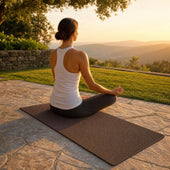
In today's fast-paced world, relaxation is essential for both mental and physical health. Incorporating relaxation techniques like meditation, breathing exercises, yoga, and aromatherapy can help reduce stress and improve overall well-being. Recognizing stress signs and creating a daily relaxation routine can enhance productivity and quality of life. Prioritize relaxation for better health and happiness.
Table of Contents
- The Health Benefits of Relaxation
- Different Relaxation Techniques
- Meditation
- Breathing Exercises
- Yoga and Stretching
- Aromatherapy
- Recognizing the Signs of Stress
- Creating a Relaxation Routine
- Morning: Start with Intention
- Afternoon: Take Breaks
- Evening: Wind Down
- The Role of Environmental Factors
- Linking Relaxation to Productivity
- Relaxation for Everyone
- For Professionals
- For Students
- For Parents
- Final Thoughts on Relaxation
Frequently Asked Questions
1. Why is relaxation essential in today's society?
2. What are some health benefits of relaxation?
3. What are some popular relaxation techniques?
4. How can I create a relaxation routine?
5. Who can benefit from relaxation techniques?
In today’s fast-paced society, it often feels like there’s never a moment to breathe. With endless responsibilities at work, social commitments, and personal challenges, the need for relaxation has never been more crucial. Embracing relaxation can be a game changer for our physical and mental well-being. Let's explore why it’s essential to incorporate relaxation into our daily lives, especially in light of its many health benefits.
The Health Benefits of Relaxation
Stress is prevalent in modern life, impacting our overall health significantly. Engaging in relaxation techniques can lead to numerous health benefits, including:
- Reduced symptoms of anxiety and depression
- Lower blood pressure
- Improvement in sleep quality
- Enhanced focus and concentration
- Better pain management, including neck pain relief
- Improved digestion
Different Relaxation Techniques
Finding your personal relaxation style is crucial. Here are some popular relaxation techniques that can help you unwind:
Meditation
Meditation encourages mindfulness, allowing you to focus on the present moment. This practice can reduce stress and promote a sense of calm. Try dedicating a few minutes each day to meditate, whether through guided sessions or simply sitting quietly.
Breathing Exercises
Breathing deeply slows your heart rate and calms your mind. Incorporate simple breathing exercises into your routine, such as the 4-7-8 technique, which involves inhaling for four seconds, holding for seven seconds, and exhaling for eight seconds. These exercises are particularly beneficial at the end of a long day.
Yoga and Stretching
Engaging in yoga or gentle stretching can alleviate physical tension in your body. Regular practice can provide neck pain relief, especially for those who spend extended hours hunched over a desk. Additionally, yoga enhances overall flexibility and balance, making it a holistic approach to relaxation.
Aromatherapy
Using essential oils like lavender, chamomile, and eucalyptus can create a serene atmosphere. Aromatherapy can soothe the senses and enhance relaxation, whether through diffusers, candles, or personal inhalers.
Recognizing the Signs of Stress
Prolonged stress can take a toll on both your body and mind. Recognizing its signs is the first step toward combating it. Common signs include:
- Increased irritability or mood swings
- Changes in appetite or weight
- Difficulty sleeping or insomnia
- Persistent headaches or tension in muscles
- Difficulties concentrating
If you resonate with any of these symptoms, it might be time to reassess your daily routine and make room for relaxation.
Creating a Relaxation Routine
Incorporating relaxation into your daily life doesn’t have to be complicated. Here’s a simple structure to get you started:
Morning: Start with Intention
Begin your day with positive affirmations or a brief meditation. Set your intentions, focusing on the day ahead with a calm mindset. Even five minutes can make a difference.
Afternoon: Take Breaks
During your workday, take micro-breaks to stretch or breathe deeply. Consider a standing desk or a walking meeting to shake up your routine and ease tension throughout the day.
Evening: Wind Down
End your day with a calming ritual. Whether it’s herbal tea or reading a book, make sure to step away from screens to give your mind a break. This is an ideal time to practice gentle yoga or grab your Menstrual Relief Belt as a comforting companion if you’re experiencing cramps, adding to your relaxation routine.
The Role of Environmental Factors
Your environment plays a pivotal role in relaxation. Here are a few tips for creating a calming space:
- Declutter your living area, as a tidy space promotes relaxation.
- Choose calming colors for your walls and decor.
- Play relaxing music or nature sounds.
- Integrate plants into your space to improve air quality and bring nature indoors.
Linking Relaxation to Productivity
Many people believe that relaxation is a waste of time and counterproductive to achieving their goals. However, research shows that taking time to relax ultimately boosts productivity. When you allow yourself to recharge, you return to tasks more energized and focused.
Consider this: An employee who takes short breaks to relax will likely accomplish more in a day than one who works non-stop without allowing any form of rest. Embracing breaks throughout your workday can foster creativity and innovation.
Relaxation for Everyone
It’s crucial to remember that relaxation is a universal need. Regardless of age, profession, or lifestyle, everyone benefits from incorporating relaxation techniques into their routine. Here are some targeted approaches for different groups:
For Professionals
In high-pressure environments, prioritize time management and create brief relaxation intervals each day. Utilize lunch breaks to step outside, meditate, or practice mindfulness; these moments can be more productive than they seem.
For Students
Students face significant pressure from exams and assignments. Encourage short study breaks to unwind and recharge. Engaging in mindfulness exercises can also improve focus and retention.
For Parents
Parents often juggle multiple responsibilities. Carving out a few peaceful moments for yourself, whether during naptime or before bed, can significantly enhance your self-care routine. Don’t forget that even brief moments of relaxation can stick with you throughout the day.
Final Thoughts on Relaxation
In a busy world that often prioritizes hustle over health, maintaining a dedication to relaxation is vital for long-term well-being. Recognizing the signs of stress, investing time in relaxation techniques, and creating a conducive environment can transform not just your days but your overall quality of life. Remember, the journey toward relaxation is a personal one—find what works for you, and don’t hesitate to explore various methods. The benefits you’ll gain will significantly outweigh the time you invest.