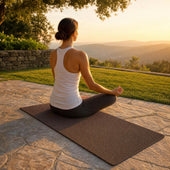
Understanding how temperature affects relaxation can enhance your experience. Warmth promotes muscle relaxation and emotional comfort, while cooler temperatures can invigorate and improve focus. Experimenting with different temperatures in mindfulness, yoga, and breathing techniques can personalize your relaxation journey. Create an ideal environment by adjusting temperature, lighting, and incorporating soothing elements to optimize your relaxation practices.
Frequently Asked Questions
1. How does temperature influence relaxation?
2. What are some benefits of using warmth in relaxation techniques?
3. How can cooler temperatures aid in relaxation?
4. What are some ways to personalize my relaxation techniques based on temperature?
5. What elements should I consider for creating a perfect relaxation environment?
Finding the perfect way to relax can often feel like a journey filled with various techniques, philosophies, and methods to ease the mind and soothe the soul. One crucial factor that many people overlook in their pursuit of calmness and tranquility is temperature. Understanding how temperature influences relaxation can lead to more effective techniques and enhance your overall experience. In this article, we’ll explore the magic of temperature in relaxation techniques, and how elements like a headache relief cap play a role in your serene experience.
Why Temperature Matters in Relaxation
Temperature affects our physical and mental state in profound ways. Our bodies respond to changes in temperature, which can either enhance or diminish our ability to relax. When we are too hot, we might feel agitated and restless, while cooler temperatures generally promote feelings of calm and comfort. Here’s how temperature impacts different methods of relaxation:
1. The Comfort of Warmth
Warmth is often associated with coziness. Techniques such as warm baths, heated blankets, and steam treatments utilize warmth to promote muscle relaxation and emotional comfort. Heat increases blood flow, which makes it easier to release tension. For instance, using a headache relief cap can provide soothing warmth to your head, helping to promote relaxation and alleviate stress. Here are some advantages of using warmth in relaxation:
- Muscle Relaxation: Heat helps reduce muscle stiffness.
- Better Sleep: A warm environment can promote deeper sleep.
- Stress Reduction: Warmth can enhance your overall sense of wellbeing.
2. The Refreshing Cool
On the other end of the spectrum, cooler temperatures can also aid in relaxation. Cooling techniques can energize the mind and body, making them particularly useful for combatting heat-induced fatigue. A cool environment may also improve focus and mental clarity. Here’s how cooling techniques can be beneficial:
- Invigorating: Cool temperatures can boost energy levels.
- Migraine Relief: Cold compresses can alleviate migraine symptoms.
- Focus and Clarity: A cool environment can help reduce distractions.
Combining Temperature with Relaxation Techniques
Now that we understand the impact of temperature on relaxation, let’s explore how we can combine this with various relaxation techniques.
Mindfulness and Meditation
Mindfulness, typically linked with calming the mind, can flourish in optimal temperatures. Creating a comfortable environment where you can meditate is crucial. If the room is too hot, the distractions can lead to frustration. Conversely, a slightly cool room may enhance focus.
Yoga and Stretching
Yoga is another effective relaxation technique benefited by temperature management. Practicing yoga in a warm room can help improve flexibility and ease muscle tension. However, too much heat can hinder performance. The sweet spot where temperatures are warm enough to promote relaxation, but not too hot to induce exhaustion, is key. For added benefits, consider integrating cooldown techniques, such as using a headache relief cap post-yoga to soothe any tension that may linger.
Breathing Techniques
Breathing exercises can be influenced by temperature as well. A warm breath can feel calming and inviting, while cooler inhalations can invigorate and energize. Experiment with the temperature of your environment: try deep breathing in a warm bath filled with soothing scents or take refreshing breaths of cool air outside. Both approaches can yield positive outcomes in relaxation.
Exploring Temperature in Nature
Nature is a powerful and often underutilized tool for relaxation. The temperature and environment around us can deeply affect our relaxation journey. Let's look at how nature's temperatures play a role in relaxation:
Warm and Inviting Beaches
Have you ever stepped onto a warm beach and felt your worries melt away? The warmth of the sun on your skin combined with the sound of waves can enhance feelings of joy and relaxation. Days spent on the beach can invigorate the spirit, and during sunset, the cooling breeze often brings a sense of calm we all crave.
Refreshing Mountain Getaways
Contrastingly, a trip to the mountains, with cool breezes and refreshing vistas, can elevate the mind and spirit. Nature hikes in cooler temperatures can invigorate the body and provide a sense of accomplishment and tranquility. The crisp air can be akin to a refreshing breath; it clears the mind and provides space for relaxation.
Personalizing Your Relaxation Journey
It’s essential to remember that everyone's body responds to temperatures differently. Personalizing your relaxation techniques according to your comfort levels can lead to greater satisfaction. Here are some tips to help you find the right balance between temperature and relaxation:
- Experiment: Try different temperatures with relaxation techniques to see what feels best for you.
- Listen to Your Body: Be mindful of how different temperatures impact your mood and stress levels.
- Combine Techniques: Utilize a combination of warm and cool relaxation methods for a more holistic approach.
Creating the Perfect Relaxation Environment
Designing an environment that encourages relaxation involves more than just temperature. Consider incorporating elements such as soothing colors, soft textures, and ambient sounds. Here’s how to craft your ideal relaxation zone:
Set the Right Temperature
Determining your preferred temperature zone is essential. Whether you favor the embrace of warmth or the refreshing touch of coolness, adjust your space accordingly. Use fans, heaters, or air conditioning to tailor your surroundings. The key is to create a space where you feel comfortable enough to unwind fully.
Ambient Lighting
Lighting has a significant impact on relaxation. Soft, warm lighting can create a cozy atmosphere, while natural light contributes to an energetic vibe.
Soundscapes and Aromatherapy
Adding elements like soothing music or nature sounds can make a significant difference in how you experience relaxation. Additionally, consider integrating scents through aromatherapy or candles to create a calming atmosphere. Scents can transport you to your desired state of relaxation, complementing your temperature-controlled environment.
Relaxation Tools at Your Fingertips
Incorporate relaxation tools such as a headache relief cap within your personalized relaxation area. These tools serve as effective aids that enhance your journey toward relaxation. Having them readily available may motivate you to engage in relaxation practices more frequently.
Transform Your Approach to Relaxation
Embracing the impact of temperature on relaxation techniques can significantly optimize your paths to tranquility. Whether through warmth that melts away tension or coolness that refreshes the mind, understanding how temperature influences your experience can lead to deeper relaxation and a better quality of life.
Incorporate these insights into your daily routine, allowing them to guide your practice of mindfulness, yoga, and meditation sessions. Every person’s relationship with temperature differs; hence, exploring and finding what works best can elevate your overall wellbeing.

Your journey towards better relaxation begins with a keen understanding of your surroundings and the role temperature plays. Armed with this knowledge, dive into the world of relaxation techniques, discover personalized methods that resonate with you, and embrace the journey towards finding your calm oasis in a busy world.