Choosing the right yoga mat is crucial for enhancing your practice, promoting relaxation, and fostering mindfulness. This article discusses the significance of a quality mat and reviews three standout options: the Non-Slip Yoga Mat, Natural Cork Yoga Mat, and Natural Jute Yoga Mat. Readers will gain insights into how to select a mat that aligns with their needs and learn tips for maintaining their yoga space to support a more enriching experience.
Table of Contents
- Understanding the Importance of a Good Yoga Mat
- Exploring the Non-Slip Yoga Mat
- The Benefits of a Natural Cork Yoga Mat
- Why Choose a Natural Jute Yoga Mat
- Caring for Your Yoga Mat
- Regular Cleaning Methods
- Storage Tips
- Signs It’s Time to Replace Your Mat
- Creating a Mindful Yoga Space
- Importance of a Dedicated Space
- Incorporating Elements of Calm
- Using Your Mat as a Focal Point
- Checklist for Creating a Personalized Yoga Space
Selecting the right yoga mat is essential for enhancing relaxation and mindfulness during your practice. A quality mat not only provides necessary support and comfort but also helps create a calming environment that allows you to focus on your movements and breath. This article explores the importance of a good yoga mat and highlights three exceptional options: the Non-Slip Yoga Mat, the Natural Cork Yoga Mat, and the Natural Jute Yoga Mat.
Understanding the Importance of a Good Yoga Mat
A quality yoga mat is crucial for several reasons. It enhances stability and comfort, which are vital for both relaxation and the effectiveness of your practice. When your mat provides a solid foundation, you can focus better on your movements, whether you're performing gentle stretches or engaging in more dynamic poses.

Different materials offer varying levels of grip and cushioning. For instance, some mats feature textured surfaces that provide a non-slip finish, while others prioritize extra padding for comfort during floor work. Your choice of material can significantly affect your practice, making it essential to consider how different options align with your personal preferences and needs.
To help you select the right yoga mat, consider the following checklist:
- Grip: Look for a mat with a non-slip surface to ensure stability during poses.
- Cushioning: Assess how much padding you need based on your practice style and any joint concerns.
- Material: Choose between synthetic and natural materials according to your environmental preferences.
- Portability: If you plan to travel with your mat, consider its weight and whether it comes with a carrying strap.
- Durability: Ensure the mat can withstand regular use without wearing out quickly.
Exploring the Non-Slip Yoga Mat
The Non-Slip Yoga Mat stands out for its thoughtful design and practical features. Made from durable TPE material, this mat offers a soft yet supportive surface that caters to a wide range of practices, from gentle stretching to more vigorous flows. One of its key features is the textured non-slip finish, which enhances stability and allows you to focus on your movements without worrying about slipping.

Another advantage of this mat is its lightweight design, making it easy to transport between home, the studio, or wherever your practice takes you. The double-layer construction ensures durability while providing a balance of cushioning and grip, supporting regular practice without compromising on comfort. This mat is an excellent choice for those who prioritize mindful movement and everyday comfort in their yoga routine.
In comparison to other mats on the market, the Non-Slip Yoga Mat excels in providing a strong grip and lightweight portability, making it an ideal option for both beginners and seasoned practitioners. By investing in a quality mat like this one, you can enhance your overall yoga experience and create a more calming space for your practice.
The Benefits of a Natural Cork Yoga Mat
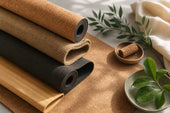
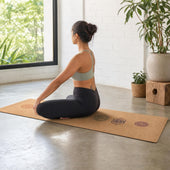
The Natural Cork Yoga Mat is a standout choice for those seeking a blend of sustainability and performance in their yoga practice. This mat combines the natural beauty of cork with a supportive rubber base, creating a comfortable and stable surface that enhances your experience during yoga, Pilates, stretching, and meditation.

One of the key advantages of this mat is its textured cork surface, which not only feels warm and inviting but also offers reliable grip that improves with regular use. This means that as you practice, the mat adapts to your movements, providing the stability you need for both gentle stretches and more dynamic poses.
Additionally, the Natural Cork Yoga Mat is available in two thickness options: 5mm and 4mm. The 5mm version provides extra cushioning, making it ideal for those who prefer more support during their practice. Conversely, the 4mm option offers a lighter feel while maintaining excellent stability, perfect for those who prioritize portability and ease of transport.
When deciding which thickness to choose, consider your practice style. If you engage in restorative yoga or need extra joint support, the 5mm thickness may be more suitable. On the other hand, if you frequently travel with your mat or prefer a more grounded feel, the 4mm option could be your best bet.
Why Choose a Natural Jute Yoga Mat
The Natural Jute Yoga Mat offers a unique blend of aesthetics and functionality, crafted from natural jute fibers and durable PVC. This mat is designed not only for comfort and stability but also for a timeless style that enhances your yoga practice.

One of the standout features of the Natural Jute Yoga Mat is its textured surface, which provides a secure, grounded feel. This aspect is particularly beneficial for various yoga practices, as it helps you maintain balance and focus during your flow. Whether you're transitioning through a morning yoga session or winding down with restorative stretches, this mat supports your movements effectively.
Moreover, the jute material is renowned for its durability and breathability, making it suitable for both energizing flows and calming practices. The 5mm thickness offers gentle cushioning for joints while still ensuring stability, which is crucial for balance-focused poses. The unique tactile element of jute adds to the sensory experience of your practice, making each session not just a workout, but a mindful ritual.
To incorporate the Natural Jute Yoga Mat into your daily wellness routine, consider setting a specific time each day for your yoga practice. Use this mat as a dedicated space for your movements, allowing it to become a focal point in your home that invites mindfulness and relaxation.
Caring for Your Yoga Mat
Maintaining your yoga mat is essential for ensuring its longevity and performance. A clean mat not only enhances grip but also promotes hygiene, allowing you to focus on your practice without distractions. Here are some practical tips to keep your yoga mat in top condition:
Regular Cleaning Methods
Depending on the material of your mat, cleaning methods can vary. Here’s a quick guide:
- Non-Slip Yoga Mat: Use a damp cloth with mild soap to wipe down the surface. Avoid soaking it in water, as this can damage the TPE material.
- Natural Cork Yoga Mat: Wipe with a soft cloth and a mixture of water and vinegar to maintain the cork's natural properties. Ensure it dries completely to prevent mold.
- Natural Jute Yoga Mat: Spot clean with a damp cloth and a gentle detergent. Avoid excessive moisture, as it can weaken the jute fibers.
Storage Tips
Proper storage is crucial for extending the life of your mat. Here are some guidelines:
- Roll your mat tightly and store it in a cool, dry place. Avoid folding, as this can create creases and damage the material.
- Use a mat strap or bag for transport and storage, protecting it from dust and dirt.
- Keep it away from direct sunlight, which can cause fading and degradation of materials.
Signs It’s Time to Replace Your Mat
Even with proper care, mats have a lifespan. Here are signs that indicate it may be time for a new one:
- Visible wear and tear, such as cracks or peeling.
- Loss of grip, making it difficult to maintain stability during poses.
- Persistent odors despite cleaning, suggesting it has absorbed moisture or bacteria.
Creating a Mindful Yoga Space
Establishing a calming environment for your yoga practice can enhance your mindfulness and relaxation. Here’s how you can create a dedicated space that encourages tranquility:
Importance of a Dedicated Space
Having a specific area for your practice helps signal your mind and body that it's time to relax and focus. This space doesn’t have to be large; even a corner of your room can work. The key is consistency.
Incorporating Elements of Calm
Consider adding the following elements to your space:
- Lighting: Soft, warm lighting can create a soothing atmosphere. Consider using candles or dimmable lamps.
- Scents: Essential oils or incense can enhance relaxation. Scents like lavender or sandalwood are particularly calming.
- Decor: Choose calming colors and minimalistic decor to prevent distractions. A small plant can also add a touch of nature to your space.
Using Your Mat as a Focal Point
Your yoga mat can serve as a visual and physical anchor in your space. Lay it out neatly and consider placing it in a location where it can be easily accessed. This not only encourages regular practice but also reinforces the importance of self-care in your daily routine.
Checklist for Creating a Personalized Yoga Space
- Identify a quiet, comfortable location.
- Gather calming items like candles, cushions, or essential oils.
- Ensure good ventilation and natural light.
- Keep your mat clean and ready for use.
- Personalize the space with items that inspire you, such as photos or quotes.
By prioritizing care for your yoga mat and creating a mindful space, you can enhance your relaxation and self-care practices, making your yoga journey more fulfilling.
Comparison at a Glance
| Option | Best for | Strengths | Trade-offs |
|---|---|---|---|
| Non-Slip Yoga Mat | Beginners and seasoned practitioners | Excellent grip, lightweight, durable TPE material | May lack natural feel compared to organic materials |
| Natural Cork Yoga Mat | Sustainability enthusiasts | Eco-friendly, adapts grip with use, available in multiple thicknesses | Heavier than synthetic options, may require more maintenance |
| Natural Jute Yoga Mat | Those seeking aesthetics and functionality | Unique texture, durable, breathable material | Can be less cushioned than other mats, requires careful cleaning |
Pros and Cons
| Advantages | Drawbacks |
|---|---|
| Provides essential grip for stability during poses. | Higher quality mats can be more expensive. |
| Enhances comfort through various cushioning options. | Some materials may require specific cleaning methods. |
| Lightweight and portable for easy transportation. | Durability varies by material and usage frequency. |
| Natural materials promote sustainability. | May not suit everyone's personal preferences for texture. |
| Creates a calming environment for mindfulness. | Can wear out over time, requiring replacement. |
Who It's For (And Not For)
Who It's For
- Beginners: Those new to yoga will benefit from the stability and grip provided by quality mats like the Non-Slip Yoga Mat.
- Frequent Travelers: If you often practice yoga on the go, lightweight options such as the Natural Cork Yoga Mat or the Non-Slip Yoga Mat are ideal.
- Eco-Conscious Practitioners: Individuals who prioritize sustainability may prefer the Natural Cork or Natural Jute Yoga Mats, as they are made from natural materials.
- Individuals with Joint Concerns: Practitioners needing extra cushioning can choose thicker mats like the 5mm Natural Cork Yoga Mat for added support.
Who It's Not For
- Casual Users: If you only practice yoga occasionally, investing in a high-quality mat may not be necessary.
- Those with Specific Material Allergies: People who are allergic to natural materials like cork or jute may need to avoid these options.
- Practitioners Who Prefer Firm Surfaces: If you prefer a very firm surface for your practice, thinner mats like the 4mm Natural Cork Yoga Mat may not provide enough cushioning.
- Budget-Conscious Buyers: If you are looking for the most affordable option, there are cheaper mats available that may not offer the same quality or durability.
Key Takeaways
- Choose the Right Mat: A quality yoga mat enhances stability and comfort, essential for effective practice.
- Material Matters: Different materials provide varying grip and cushioning; select one that aligns with your practice needs.
- Non-Slip Feature: A non-slip surface is crucial for maintaining stability during poses, especially in dynamic practices.
- Thickness Options: Consider mat thickness based on your practice style; thicker mats offer more cushioning, while thinner ones are more portable.
- Regular Maintenance: Clean your mat regularly to enhance grip and hygiene; different materials require specific care methods.
- Dedicated Practice Space: Create a calming environment for your practice to signal relaxation and focus to your mind and body.
- Signs for Replacement: Watch for visible wear, loss of grip, or persistent odors as indicators that it may be time to replace your mat.