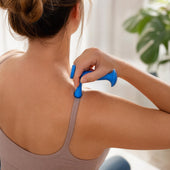
Fascia is the connective tissue that wraps around muscles, bones, and organs, creating a network that supports movement and stability. When fascia becomes tight or restricted—often a result of repetitive strain, prolonged sitting, intense training, or stress—it can limit range of motion, amplify soreness, and slow down recovery. A fascia massage gun delivers rapid, targeted pulses to deep tissue, helping to release fascial adhesions, improve circulation, and reset the recovery clock. This approach is not a substitute for sleep, hydration, and a balanced training plan, but it is a proven tool to improve tissue quality and reduce post-workout stiffness.
Who benefits from fascia massage guns
Nearly anyone can gain from regular use, but the greatest returns tend to come from people who train consistently, sit for long stretches, or juggle multiple activities. Athletes—runners, lifters, cyclists, and CrossFit participants—often report faster relief after sessions and shorter downtimes between workouts. Desk workers and students may notice reductions in neck and shoulder tension, improved posture, and fewer headaches tied to tight upper back fascia. For beginners, starting with gentle sessions can help introduce the body to fascia-focused therapy without overwhelm.
How a fascia massage gun works
Most fascia guns operate at high speeds—up to 3200 RPM in our model—delivering percussive energy through a massage head into the underlying tissue. The repeated pulses create micro-movements that help release fascial adhesions, stimulate blood flow, and promote lymphatic drainage. With multiple heads and adjustable intensities, you can target different tissue depths and areas with precision. A smart control chip can adapt to your movement, maintaining comfortable pressure and helping you stay consistent without overdoing it.
Key features to look for in a fascia massage gun
- Power and speed: High RPM helps with deep tissue work, especially for large muscle groups.
- Intensity range: A spectrum of 4–6 levels lets you start gentle and progress as fascia adapts.
- Massage heads: A variety of heads supports addressing different tissues—flat for broad areas, bullet for knots, fork for along the spine with caution, and more.
- Weight and ergonomics: A lighter device (around 600 grams) reduces fatigue during longer sessions.
- Noise level: Sub-44 dB operation is practical for shared spaces and early morning use.
- Battery and charging: USB-C charging simplifies access, and cordless operation increases portability.
- Smart features: An intelligent chip can adjust performance to your pace and pressure for a smoother experience.
Safety guidelines and best practices
Percussive therapy should be used with care. Do not apply the device directly over joints, bones, or major nerves, and avoid acute injuries or areas of inflammation. Start with the gentlest setting and 30–60 seconds per muscle group, gradually increasing duration as you become comfortable. If you have conditions such as osteoporosis, recent fractures, or cardiovascular concerns, consult a healthcare professional before use. If you experience sharp pain, dizziness, or numbness, stop immediately and reassess your technique. Hydration, nutrition, and adequate sleep support tissue remodeling and overall recovery.
How to use before and after workouts
Using a fascia massage gun before training can help prepare your fascia and muscles, while post-workout sessions aid in reducing stiffness and accelerating recovery. Before activity, apply lighter pressure on larger muscle groups—quads, hamstrings, glutes, chest, and upper back—spending 30–60 seconds on each area. After workouts, you can increase pressure slightly and extend sessions to 60–90 seconds per area on zones that feel particularly tight. For desk workers and color-coded life, short 1–2 minute refreshers on the neck, shoulders, and mid-back can mitigate posture-related strain and improve daily comfort.
Putting it into your routine: a practical plan
Consistency matters more than intensity. Start with three 5–8 minute sessions per week, focusing on commonly tight areas. As you gain familiarity, add a brief daily touch-up either as a cooldown after training or a moment of mobility during the day. Here’s a simple template to get started:
- Monday: Full-body prep with low-to-mid intensity on the quads, hamstrings, glutes, and back (total 6–8 minutes).
- Wednesday: Targeted recovery on shoulders, neck, and calves (total 4–6 minutes).
- Friday: Deep work on knots or stubborn areas (5–7 minutes).
- Daily micro-sessions (1–2 minutes): neck and upper back for desk-related tension.
Pair the device with good sleep, hydration, and a mobility routine to maximize fascia health. The massage gun works best as a complement to these habits, not a replacement for them.
What to consider when buying a fascia massage gun
Choosing the right device depends on how you plan to use it. If you travel often or want quick, efficient sessions, prioritize weight, battery life, and a quiet operation. If you’re addressing hard knots or post-injury recovery, you’ll want higher torque, a broader accessory kit, and precise control. Consider these criteria as you compare models:
- Intensity range: Look for multiple levels (4–6) to progressively challenge your fascia.
- Massage heads: At least four heads give you options for large areas and targeted spots.
- Weight and ergonomics: A balanced design reduces fatigue during longer sessions.
- Noise and comfort: A quieter device enhances usability in shared spaces.
- Battery life and charging: USB-C charging is convenient, and longer-lasting batteries are better for travel.
- Smart features: An adaptive control chip can help maintain consistent pressure and improve ease of use.
- Durability and warranty: A solid build and reliable support matter for long-term use.
The Fascia Massage Gun combines power, portability, and customization to suit a broad range of users—from casual runners to desk-bound professionals seeking relief during the day. Its 3200 RPM capability, low-noise operation, four massage heads, and six intensity levels offer flexibility for different tissues and tolerance levels.

Maintenance and care
To get the most from your fascia massage gun, follow simple care habits. Wipe down the device after use with a clean, dry cloth to remove sweat and oils. Check the massage head sockets regularly for wear or looseness, and replace worn heads as needed. Avoid exposing the unit to water or excessive heat, and store it in a cool, dry place. If you notice decreased performance, check the battery connections and charging accessories. Regularly cleaning the device and replacing worn parts can extend its lifespan and keep performance consistent.
Frequently asked questions
- Is a fascia massage gun safe for beginners? Yes, with a gradual approach, lower intensities, and shorter sessions.
- How long should I use it per session? Start with 5–8 minutes per session and adjust based on comfort and goals.
- Can I use it every day? Yes, many people use it several times per week; daily use is possible if listened to by body signals and recovery status.
Conclusion: making fascia therapy part of your wellness routine
Incorporating a fascia massage gun into your recovery and mobility routine can unlock faster relief, improved range of motion, and a more consistent training cadence. Use it to prime tissues before workouts, to accelerate recovery after sessions, and to support long-term fascia health as you progress in your goals. Remember that the best results come from regular, thoughtful use in combination with sleep, hydration, nutrition, and a well-rounded exercise plan.