Frequently Asked Questions
1. What is color psychology?
2. How do primary colors affect emotions?
3. What are the benefits of natural light?
4. How can I use lighting to create a mood in my home?
5. What are some ways to incorporate color and light into self-care practices?
Have you ever walked into a room and felt instantly uplifted by the bright colors around you? Or perhaps you noticed a sense of calm wash over you in a softly lit space? The relationship between color, light, and our emotions is a fascinating one, impacting everything from our mood to our productivity. In this article, we’ll explore how colors and lighting can influence your feelings and overall mental state. Plus, we'll highlight how certain products, like an anti-aging LED mask or a face and neck lift massager, can enhance your self-care routine while taking this science to heart.
Understanding Color Psychology
Color psychology is the study of how colors affect human behavior and emotions. Different colors can evoke specific feelings, which can directly influence our mood.
The Power of Primary Colors
Primary colors—red, yellow, and blue—are especially influential:
- Red: This bold color is energizing and can increase heart rates, often associated with passion and excitement.
- Yellow: Known for bringing warmth and happiness, yellow is a color that can spark creativity and optimism.
- Blue: This calming color is great for promoting tranquility and relaxation, often making it easier to focus.
The Influence of Secondary Colors
Secondary colors also have a notable impact:
- Green: Symbolizing nature, green can evoke feelings of balance and harmony.
- Purple: Often linked to luxury and creativity, purple can enhance imagination and inspire artistic feelings.
- Orange: A warm mix of red and yellow, orange promotes enthusiasm and vitality, encouraging social interaction.
How Light Affects Our Mood
Just as colors can evoke strong emotions, the type and quality of light in your environment can also impact mood. Research has shown that natural light, in particular, can bring significant benefits.
The Benefits of Natural Light
Exposure to natural light enhances serotonin levels, which can lead to improved mood and energy. Here are some benefits of incorporating natural light into your daily routine:
- Boosts Mood: Natural light has been linked to lowering anxiety and depression levels.
- Improves Sleep: Exposure to daylight can help regulate sleep patterns, making you feel more rested and alert.
- Enhances Productivity: Studies have shown that employees working in well-lit environments tend to be more productive.
Artificial Lighting Considerations
When natural light isn’t an option, the type of artificial lighting you choose can still have a profound effect on your mood. Here are some types of artificial lighting to consider:
Warm vs. Cool Light
Warm lights (like soft yellow hues) can create a cozy and inviting atmosphere, ideal for relaxation areas. Cool white or bluish lights can enhance alertness and productivity, making them perfect for workspaces.
Smart Lighting
Investing in smart lighting options can also help create the ideal ambiance for various situations, allowing you to adjust brightness and colors according to your mood.
Using Color and Light in Your Home
Understanding the relationship between color, light, and mood can empower you to create spaces that uplift and inspire. Here are some practical tips:
Choosing the Right Color Palette
When decorating your home, consider these color tips:
- Living Rooms: Opt for warm tones to create a friendly and inviting atmosphere.
- Bedrooms: Calm colors like blue or green promote relaxation and peaceful sleep.
- Workspaces: Bright, stimulating colors can help boost creativity and productivity.
Strategic Lighting Placement
Where you place lights can drastically change a room's mood. Here’s how:
- Layer Your Lighting: Combine ambient, task, and accent lighting for a dynamic and adaptable space.
- Use Dimmer Switches: These allow you to adjust lighting based on your activities, whether it's a cozy movie night or an energetic work session.
The Role of Color and Light in Self-Care
Incorporating color and light into your self-care practices can be transformative. Techniques such as using an anti-aging LED mask for rejuvenation not only help your skin but can also serve as a moment of calm amidst your daily routine. Additionally, pairing this with a face and neck lift massager can amplify relaxation, allowing the calming effects of color and light to settle into your self-care regimen.
Integrating Self-Care Routines
Here’s how you can use color and light for your self-care routines:
- Relaxing Atmosphere: Create a relaxing atmosphere using soft, warm lighting and gentle pastels.
- Color in Skincare: Take note of the colors of your skincare products. Opt for colors that make you feel good, enhancing your overall mood.
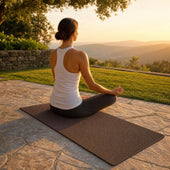
- Mindfulness Practices: Incorporate visual aesthetics into your mindfulness practices, using colorful surroundings to uplift your meditative state.
Bright Ideas for Your Space
Now that you understand the effects of color and light, consider implementing these bright ideas:
Embrace Seasonal Changes
Seasons bring shifts in natural light and color palettes. Use seasonal flowers or decor that resonates with the current season to energize your space.
Personalize Your Environment
Surround yourself with colors that resonate with your personality—those that evoke happiness, peace, or creativity. This personalization can greatly enhance how you feel in that space.
Experiment with Color Therapy
Consider incorporating color therapy techniques into your daily routine. For example, painting an accent wall in a lively color can instantly uplift your spirits.
Wrap-Up: A More Colorful Life Awaits!
By understanding how color and light affect your mood, you can take control of your emotional well-being in simple yet profound ways. From selecting the right lighting for productivity to using an anti-aging LED mask for skin rejuvenation, applying the science of mood-enhancing colors and lights can enrich your life. Your living space is more than just four walls; it's an opportunity to evoke feelings that inspire and uplift.
So, go ahead—adjust a light, change a color scheme, or indulge in self-care while surrounded by an invigorating palette. Your emotions will thank you!
Discover the creativity of other Shopify store owners by visiting their stores. Follow this link to their online store. Please remember that this is a promotional link, and we assume no liability for the content of the linked store.