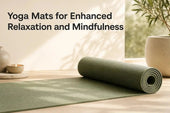
Choosing the right yoga mat enhances your practice and mindfulness. Consider material (natural vs. synthetic), thickness (thicker for cushioning, thinner for stability), size (standard vs. longer/wider), texture (grip for safety), eco-friendliness (sustainable options), and maintenance (cleaning and storage). A well-chosen mat supports both physical and emotional wellness in your yoga journey.
Table of Contents
- Understanding the Importance of Material
- Thickness and Cushioning: Finding Your Balance
- Size Matters: Choosing the Right Dimensions
- Texture and Grip: Enhancing Your Practice
- Eco-Friendliness: Aligning Values with Choices
- Care and Maintenance: Prolonging Your Mat's Life
- Final Thoughts: Making an Informed Choice
Choosing the right yoga mat is crucial for enhancing your practice and promoting mindfulness. A mat that aligns with your personal values, preferences, and practice style can elevate your experience and support relaxation. This guide will help you understand the importance of material, thickness, size, texture, eco-friendliness, and maintenance in selecting a yoga mat that complements your self-care routine.
Understanding the Importance of Material
The material of your yoga mat significantly affects comfort, grip, and overall mindfulness during practice. Here’s a closer look at the different options available:

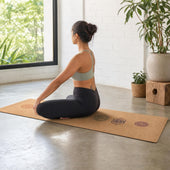
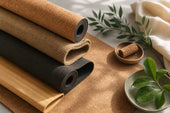
- Natural Materials: Mats made from natural materials, such as cork or rubber, promote a deeper connection to nature and provide a unique sensory experience. The Natural Cork Yoga Mat offers a sustainable option that enhances grip and stability, making it ideal for various poses.
- Cork Mats: Cork mats are particularly noteworthy as they feature a textured surface that improves grip, even in sweaty conditions. This characteristic helps maintain stability during challenging poses, allowing you to focus on your breath and alignment.
- Synthetic Materials: While synthetic mats can provide additional cushioning, they may not be the best choice for eco-conscious individuals. Many synthetic options contribute to plastic waste and lack the biodegradability of natural materials.
When evaluating mat materials, consider the following checklist:
- Does the material align with your eco-friendly values?
- How does the material feel against your skin during practice?
- What level of grip do you need for your specific yoga style?
Thickness and Cushioning: Finding Your Balance
The thickness of your yoga mat can significantly affect your comfort and stability during practice. Here’s what you should know:
- Thicker Mats: Mats that are thicker (around 5mm or more) provide additional cushioning, which can be especially beneficial for sensitive joints. If you’re practicing restorative yoga or have a history of joint issues, a thicker mat may help you feel more supported.
- Thinner Mats: Conversely, thinner mats (around 3mm) enhance stability and connection to the ground, making them a great choice for more dynamic practices like Vinyasa or Ashtanga. They allow you to feel the surface beneath you, which can improve balance and posture.
- Personal Preference: Ultimately, the ideal thickness is often a matter of personal preference. Consider trying out different thicknesses to see which aligns best with your practice style and comfort needs.
As a rule of thumb, here’s a quick decision guide for selecting mat thickness based on your practice type:
- For restorative or gentle yoga: Opt for 5mm or thicker.
- For dynamic or balance-focused styles: Choose 3mm to 4mm.
Size Matters: Choosing the Right Dimensions
Size plays a crucial role in ensuring a comfortable and effective practice. Standard yoga mats are typically around 68 inches long, which may be suitable for most individuals. However, if you are taller than average, you might find that a longer mat, possibly around 72 inches or more, provides a better fit. This is especially important for standing poses where your body extends beyond the standard length.
The width of the mat can also significantly impact your practice. Wider mats offer more space for movement, allowing for greater comfort during side stretches and poses that require a wider stance. If you enjoy practicing with more expansive movements, consider mats that are at least 24 inches wide. This extra space can help you feel more secure and less restricted, enhancing your overall experience.
Additionally, consider the space available in your home for practicing yoga. If you have limited room, a standard-sized mat might suffice. However, if you have a dedicated practice area, investing in a larger mat can be beneficial. Here’s a simple comparison chart to help you determine the best mat size for your needs:
| Mat Size | Best For |
|---|---|
| Standard (68 inches) | Most average-height individuals |
| Long (72 inches) | Taller individuals or those who prefer extra length |
| Wide (24+ inches) | Users who need more space for movement |
Texture and Grip: Enhancing Your Practice
The texture of your yoga mat can greatly influence your practice, particularly in terms of grip. A textured surface is essential for preventing slips during poses, which can lead to injuries and disrupt your flow. Mats made from natural materials, such as the Natural Cork Yoga Mat, offer a unique texture that enhances grip, even when wet. This feature is particularly beneficial for hot yoga sessions where sweat can make other mats slippery.
Smooth mats may not provide the same level of traction, and you might find yourself needing additional accessories like grip socks or towels to maintain stability. This can detract from the seamless experience that yoga aims to provide. Testing a mat's grip in different conditions before purchasing can help ensure that it meets your needs, especially if you plan to practice various styles of yoga.
When evaluating a mat’s grip, consider the following:
- Feel the surface: Does it feel secure under your hands and feet?
- Test it in a few poses: Try downward dog or warrior poses to see how well you stay grounded.
- Consider your practice style: If you're into dynamic styles, look for mats that excel in grip.
Eco-Friendliness: Aligning Values with Choices
Considering the environmental impact of your yoga mat choice is increasingly important. Many individuals today seek products that align with their values, especially regarding sustainability. Natural materials, such as cork, are biodegradable and sustainable, offering a more eco-friendly option for those mindful of their carbon footprint.
In contrast, synthetic mats often contribute to plastic waste, raising concerns about their long-term environmental effects. As you explore your options, look for mats that boast certifications indicating eco-friendly practices. These certifications can help you identify products made from sustainable materials and environmentally responsible manufacturing processes.
To assist you in making an informed decision, here’s a checklist for identifying eco-friendly yoga mats:
- Check for natural materials like cork or organic cotton.
- Look for biodegradable options that break down over time.
- Seek mats with certifications such as OEKO-TEX or GOTS.
- Consider the manufacturing process and its impact on the environment.
- Evaluate the brand's commitment to sustainability and eco-friendly practices.
Care and Maintenance: Prolonging Your Mat's Life
Proper care and maintenance can significantly extend the life of your yoga mat, ensuring that it remains a reliable partner in your mindfulness journey. Regular cleaning is essential to prevent the buildup of bacteria and odors, which can detract from your practice experience.
To maintain your yoga mat effectively, follow these simple steps:
- Regular Cleaning: Use a gentle soap solution or a mat-specific cleaner to wipe down your mat after each use. This will help keep it fresh and hygienic.
- Proper Storage: Store your mat in a cool, dry place away from direct sunlight. Rolling it up rather than folding it can prevent creases and damage.
- Follow Manufacturer Guidelines: Always check the care instructions provided by the manufacturer, as different materials may require specific cleaning methods.
Final Thoughts: Making an Informed Choice
Choosing the right yoga mat involves reflecting on your personal needs and values. Consider what aspects are most important to you: Is it eco-friendliness, texture, or cushioning? Trying mats in-store can give you a better feel for their texture and grip, allowing you to make a more informed decision.
Investing in a quality mat, such as the Natural Cork Yoga Mat, can enhance your mindfulness practice by providing a stable, comfortable surface that aligns with your values. Remember, your mat is more than just a tool—it's a companion on your journey toward relaxation and self-care.
Ultimately, take the time to weigh your options carefully. A well-chosen yoga mat can significantly impact your practice, supporting not just your physical movements but also your mental and emotional wellness.
Comparison at a Glance
| Option | Best for | Strengths | Trade-offs |
|---|---|---|---|
| Natural Cork Yoga Mat | Eco-conscious practitioners | Biodegradable, excellent grip, unique texture | Higher cost, may require more maintenance |
| Synthetic Yoga Mat | Budget-friendly users | Extra cushioning, widely available | Less eco-friendly, may contribute to plastic waste |
| Thicker Mats (5mm or more) | Restorative yoga practitioners | Enhanced comfort for sensitive joints | Less stability for dynamic practices |
| Thinner Mats (3mm) | Dynamic yoga styles (e.g., Vinyasa) | Improved stability, better ground connection | Less cushioning for joints |
| Wide Mats (24+ inches) | Users needing more space for movement | Greater comfort for expansive poses | May require more storage space |
Pros and Cons
| Advantages of Choosing the Right Yoga Mat | Drawbacks of Choosing a Yoga Mat |
|---|---|
| Enhances comfort and support during practice. | Higher quality mats can be more expensive. |
| Improves grip and stability, reducing injury risk. | Some materials may be less eco-friendly. |
| Aligns with personal values, such as sustainability. | Finding the right thickness and size may require trial and error. |
| Contributes to a more mindful and focused practice. | Regular maintenance is necessary to prolong mat life. |
Who It's For (And Not For)
Who It's For
- Eco-conscious individuals: If you prioritize sustainability and prefer natural materials like cork or rubber, this guide will help you find a mat that aligns with your values.
- Those with specific joint needs: If you have sensitive joints or practice restorative yoga, a thicker mat may provide the support you need.
- Tall individuals: If you are taller than average, selecting a longer mat can enhance your comfort during standing poses.
- Dynamic practitioners: If you engage in vigorous styles of yoga, a mat with excellent grip and stability is essential for your practice.
Who It's Not For
- Individuals who prefer synthetic materials: If you are not concerned about eco-friendliness and prefer the cushioning of synthetic mats, this guide may not be as relevant to you.
- Practitioners with limited space: If you have very little room for yoga practice, a standard-sized mat may suffice, making larger options less necessary.
- Those who do not prioritize mat maintenance: If you prefer low-maintenance options and are not willing to regularly clean and care for your mat, this guide may not suit your needs.
- Beginners unsure of their style: If you are new to yoga and haven't yet determined your preferred practice style, the specific recommendations may not apply to you yet.
Key Takeaways
- Material Matters: Choose between natural materials like cork or rubber for better grip and eco-friendliness, or synthetic options for extra cushioning.
- Thickness Selection: Opt for thicker mats (5mm or more) for restorative yoga and thinner mats (3mm to 4mm) for dynamic practices to enhance comfort and stability.
- Size Considerations: Standard mats (68 inches) suit most, but taller individuals may benefit from longer mats (72 inches) for better support in standing poses.
- Texture and Grip: A textured mat surface is essential for preventing slips, especially during sweaty sessions; test grip in various poses before purchasing.
- Eco-Friendliness: Prioritize biodegradable materials and certifications like OEKO-TEX or GOTS to align your mat choice with sustainable values.
- Maintenance Tips: Regularly clean your mat with gentle soap, store it properly away from sunlight, and follow manufacturer care guidelines to prolong its life.
- Personal Preference: Ultimately, the best mat for you is one that feels comfortable and meets your specific practice needs; don't hesitate to test different options.