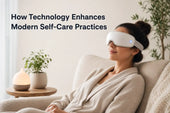
This article delves into the importance of DIY self-care for mental and physical well-being, emphasizing how personalized rituals can be enhanced through technology. Readers will learn about various self-care practices, the benefits of integrating tech tools like mindfulness apps and portable eye massagers, and how to create a tailored self-care routine that fits their unique needs and lifestyles.
Table of Contents
- Understanding DIY Self-Care
- Benefits of Self-Care
- How Technology Can Enhance Self-Care Practices
- Simple DIY Self-Care Activities Checklist
- The Role of Technology in Self-Care
- Overview of Various Tech Tools for Self-Care
- Benefits of Using Technology for Relaxation and Mindfulness
- Traditional vs. Tech-Enhanced Self-Care
- Incorporating a Portable Eye Massager
- How a Portable Eye Massager Works
- Benefits for Eye Relaxation and Stress Relief
- Situations Where a Portable Eye Massager Can Be Particularly Useful
- Step-by-Step Guide on How to Use a Portable Eye Massager Effectively
- Creating a Tech-Enhanced Self-Care Routine
- Identifying Personal Self-Care Needs
- Selecting the Right Tech Tools for Individual Preferences
- Scheduling Self-Care Time in a Busy Lifestyle
- Mindfulness and Meditation Apps
- Overview of Popular Mindfulness and Meditation Apps
- How These Apps Can Enhance Relaxation and Focus
- Tips for Integrating App Usage into Daily Life
- Features to Look for in a Mindfulness App
- Evaluating the Effectiveness of Tech in Self-Care
- Signs That Technology is Positively Impacting Self-Care
- Potential Downsides of Relying Too Much on Tech
- Balancing Tech Use with Traditional Self-Care Methods
- Self-Assessment Questionnaire for Evaluating Tech Use in Self-Care
DIY self-care is essential for maintaining mental and physical well-being. By creating personalized rituals that cater to your unique needs and integrating technology into your self-care routine, you can enhance these practices, making them more effective and enjoyable. This article explores the essentials of DIY self-care and how technology can elevate your experience.
Understanding DIY Self-Care
DIY self-care refers to the intentional actions we take to care for our mental, emotional, and physical health without relying solely on external resources. It empowers individuals to take charge of their well-being through simple, accessible practices.

Benefits of Self-Care
- Mental Health Improvement: Regular self-care can reduce stress, anxiety, and depression, leading to a more balanced emotional state.
- Physical Health Benefits: Engaging in self-care activities can improve sleep quality, boost energy levels, and enhance overall physical health.
- Increased Productivity: Taking time for self-care can lead to better focus and productivity in daily tasks.
How Technology Can Enhance Self-Care Practices
Incorporating technology into your self-care rituals can provide numerous benefits. From apps that guide mindfulness to devices that offer relaxation, technology can make self-care more effective. For instance, using a portable eye massager can transform a simple moment of rest into a rejuvenating experience for your eyes, especially after long hours in front of a screen.
Simple DIY Self-Care Activities Checklist
- Journaling for emotional clarity
- Guided meditation sessions
- Creating a relaxing bath environment
- Engaging in light physical exercise or yoga
- Practicing deep breathing techniques
The Role of Technology in Self-Care
Technology plays a crucial role in supporting and enhancing self-care rituals. With a variety of tools available, you can tailor your self-care routine to fit your lifestyle and preferences.
Overview of Various Tech Tools for Self-Care
From smartphone apps to wearable devices, technology offers a wide range of options to support your self-care journey:
- Mindfulness Apps: These applications provide guided meditations, relaxation exercises, and mindfulness practices to help you stay grounded.
- Fitness Trackers: Wearable devices can monitor your physical activity, sleep patterns, and overall health, encouraging you to stay active.
- Relaxation Devices: Tools like a portable eye massager can offer immediate relief and comfort, especially during busy days.
Benefits of Using Technology for Relaxation and Mindfulness
Integrating technology into your self-care routine can lead to:
- Enhanced Relaxation: Devices designed for relaxation can help you unwind more effectively, providing a spa-like experience at home.
- Increased Accessibility: With apps and online resources, self-care practices are more accessible than ever, allowing you to engage anytime, anywhere.
- Personalized Experiences: Technology allows you to customize your self-care journey based on your individual preferences and needs.
Traditional vs. Tech-Enhanced Self-Care
| Traditional Self-Care | Tech-Enhanced Self-Care |
|---|---|
| Reading a book for relaxation | Using an app for guided meditation |
| Taking a warm bath | Utilizing a relaxation device like a portable eye massager |
| Practicing yoga | Following a virtual yoga class online |
| Writing in a journal | Using a digital journaling app |
By understanding the benefits of both traditional and tech-enhanced self-care, you can create a well-rounded routine that suits your lifestyle. Embrace the technology available to you, and transform your self-care rituals into a more holistic experience that promotes relaxation and well-being.
Incorporating a Portable Eye Massager
A portable eye massager is a powerful tool to enhance your self-care rituals. This innovative device combines gentle warmth, air compression, and soothing vibrations to provide targeted relief to tired eyes. Here’s how it works:
How a Portable Eye Massager Works
Portable eye massagers are designed to fit comfortably around the eyes, delivering a spa-like experience right at home. By using air compression and vibrations, these devices stimulate blood circulation and relax the eye muscles, which can be particularly beneficial after long hours of screen time or stressful days.
Benefits for Eye Relaxation and Stress Relief
Using a portable eye massager offers several advantages:
- Relief from Eye Strain: The gentle massage helps alleviate tension and fatigue around the eyes, making it an ideal solution for those who spend extended periods in front of screens.
- Improved Sleep Quality: Incorporating eye massage into your evening routine can help calm your mind, making it easier to transition into sleep.
- Portable Convenience: Lightweight and easy to carry, these devices can be used at home, in the office, or even while traveling, allowing you to take a moment of relaxation anywhere.
Situations Where a Portable Eye Massager Can Be Particularly Useful
There are countless scenarios where a portable eye massager can enhance your self-care routine:
- After a Long Workday: Use it to decompress after hours of meetings and screen time.
- During Breaks: Take a few minutes during your lunch break to recharge your eyes and mind.
- Traveling: Perfect for long flights or train rides, it can help you relax and arrive at your destination feeling more refreshed.
- Before Bed: Incorporate it into your nightly ritual to signal your body that it's time to wind down.
Step-by-Step Guide on How to Use a Portable Eye Massager Effectively
- Find a Comfortable Space: Settle into a quiet area where you can relax without interruptions.
- Adjust the Device: Ensure the eye massager fits snugly but comfortably around your eyes.
- Choose Your Settings: Select the desired intensity and duration based on your comfort level.
- Close Your Eyes: Allow yourself to fully relax and enjoy the experience.
- Follow Up: After your session, take a moment to enjoy the feeling of relaxation before returning to your activities.
Creating a Tech-Enhanced Self-Care Routine
Building a personalized self-care routine with technology can greatly enhance your overall well-being. Here’s how to get started:
Identifying Personal Self-Care Needs
The first step is to assess what areas of your life could benefit from self-care. Consider these questions:
- What aspects of my daily routine cause me stress?
- Am I getting enough relaxation and downtime?
- How do I currently manage my self-care, and where can I improve?
By identifying your unique needs, you can tailor your self-care approach to suit your lifestyle.
Selecting the Right Tech Tools for Individual Preferences
With numerous tech tools available, it’s essential to choose those that resonate with you. Here are some categories to consider:
- Mindfulness Apps: Look for apps that guide you through meditation and relaxation techniques.
- Fitness Trackers: These can help you monitor physical activity and encourage movement throughout the day.
- Portable Eye Massagers: As mentioned, these devices are perfect for relieving eye strain and enhancing relaxation.
Choose tools that you feel comfortable using and that align with your self-care goals.
Scheduling Self-Care Time in a Busy Lifestyle
Incorporating self-care into a busy schedule can be challenging, but it’s crucial for maintaining balance. Here’s a simple template to help you plan:
| Day | Self-Care Activity | Duration |
|---|---|---|
| Monday | Mindfulness Meditation | 15 minutes |
| Tuesday | Portable Eye Massager | 10 minutes |
| Wednesday | Yoga or Stretching | 30 minutes |
| Thursday | Guided Relaxation App | 20 minutes |
| Friday | Nature Walk | 30 minutes |
| Saturday | Reading or Journaling | 30 minutes |
| Sunday | Planning for the Week | 15 minutes |
By dedicating specific times for self-care activities, you can ensure that you prioritize your well-being amidst a busy lifestyle. Remember, self-care is not a luxury; it’s a necessity!
Mindfulness and Meditation Apps
Incorporating mindfulness and meditation apps into your self-care routine can significantly enhance your overall well-being. These tools offer a variety of features designed to foster relaxation, improve focus, and promote a sense of calm amidst daily chaos.
Overview of Popular Mindfulness and Meditation Apps
With a plethora of options available, choosing the right mindfulness app can be daunting. Here are some popular choices that have gained traction:
- Headspace: Known for its user-friendly interface and guided meditations, Headspace is perfect for both beginners and seasoned practitioners.
- Calm: This app offers not just meditation sessions, but also sleep stories and soothing sounds, making it ideal for wind-down routines.
- Insight Timer: A free app with a vast library of guided meditations, Insight Timer is great for those looking for variety and community.
How These Apps Can Enhance Relaxation and Focus
Mindfulness and meditation apps serve as valuable companions in your self-care journey. They can:
- Reduce Stress: Regular use can lower cortisol levels, helping you manage stress more effectively.
- Improve Concentration: Short, focused sessions can train your mind to retain attention for longer periods.
- Encourage Consistency: Setting reminders can help you establish a regular practice, making mindfulness a part of your daily routine.
Tips for Integrating App Usage into Daily Life
To make the most of mindfulness apps, consider the following strategies:
- Set a Specific Time: Choose a consistent time each day for your meditation practice, whether it’s in the morning or before bed.
- Start Small: Begin with just five minutes a day and gradually increase your session length as you become more comfortable.
- Mix It Up: Explore different types of meditations offered by the app to find what resonates most with you.
Features to Look for in a Mindfulness App
When selecting a mindfulness app, keep an eye out for these essential features:
- Guided Sessions: Look for apps that offer a range of guided meditations tailored to various needs.
- Progress Tracking: Apps that allow you to track your meditation streaks can help motivate you to stay consistent.
- Community Support: Some apps feature community forums or group meditations, which can foster a sense of belonging.
- Customization Options: The ability to adjust session lengths and choose ambient sounds enhances personalization.
Evaluating the Effectiveness of Tech in Self-Care
As you integrate technology into your self-care practices, it’s crucial to evaluate its effectiveness. Understanding how tech impacts your well-being can help you make informed decisions about your self-care routine.
Signs That Technology is Positively Impacting Self-Care
Recognizing the positive effects of technology can reinforce your commitment to self-care. Here are some signs to look for:
- Enhanced Mood: If you notice an uplift in your mood after using mindfulness apps, it’s a good indicator of their effectiveness.
- Increased Mindfulness: Feeling more present and aware in daily activities suggests that your practice is taking root.
- Better Sleep: Improved sleep quality or duration can signal that relaxation techniques are working well for you.
Potential Downsides of Relying Too Much on Tech
While technology can enhance self-care, it’s essential to remain mindful of potential downsides:
- Over-Reliance: Relying solely on apps for relaxation may diminish the effectiveness of traditional self-care methods.
- Distraction: Notifications from apps can become distractions rather than aids, undermining your mindfulness practice.
- Screen Fatigue: Prolonged screen time can lead to eye strain and fatigue, counteracting the benefits of relaxation.
Balancing Tech Use with Traditional Self-Care Methods
To maintain a well-rounded self-care routine, consider blending technology with traditional practices:
- Incorporate Nature: Spend time outdoors to complement your tech-based practices with fresh air and natural surroundings.
- Engage in Physical Activity: Combine mindfulness apps with physical exercises like yoga or walking to promote both mental and physical wellness.
- Limit Screen Time: Set boundaries for app usage, ensuring you have tech-free moments to recharge.
Self-Assessment Questionnaire for Evaluating Tech Use in Self-Care
Consider the following questions to assess how technology fits into your self-care routine:
- Do I feel more relaxed and focused after using mindfulness apps?
- Am I balancing my tech use with offline self-care practices?
- How often do I find myself distracted by notifications during meditation?
- Am I experiencing any negative effects from increased screen time?
- What aspects of my self-care routine do I enjoy the most, and how can tech enhance them?
By reflecting on these questions, you can fine-tune your approach to tech-enhanced self-care, ensuring it serves you well in your wellness journey.
Linked Product

Smart Eye Massager
The Smart Eye Massager offers a soothing experience for tired eyes through gentle warmth, air compression, and vibration, making it ideal for relaxation after long hours of screen time. Its comfortable and portable design allows for easy use at home or on the go, helping to alleviate feelings of tension and fatigue. This device can seamlessly integrate into your daily self-care routine, promoting moments of calm and comfort.
View ProductPros and Cons
| Advantages of DIY Self-Care | Drawbacks of DIY Self-Care |
|---|---|
| Improves mental health by reducing stress and anxiety. | Over-reliance on technology can lead to distractions. |
| Enhances physical health, including better sleep and energy levels. | Potential screen fatigue from excessive app usage. |
| Increases productivity and focus in daily tasks. | May neglect traditional self-care practices. |
| Personalized self-care routines can be tailored to individual needs. | Some tech tools may require a learning curve to use effectively. |
| Accessible self-care options available anytime, anywhere. | Not all tech solutions are equally effective for everyone. |
Who It's For (And Not For)
Who It's For
- Individuals Seeking Personal Empowerment: If you want to take charge of your mental, emotional, and physical health, DIY self-care is ideal for you.
- Tech Enthusiasts: Those who enjoy integrating technology into their routines will find value in using apps and devices to enhance their self-care practices.
- Busy Professionals: If you have a hectic lifestyle and need quick, effective ways to relax and recharge, incorporating tools like a portable eye massager can be beneficial.
- People Looking for Variety: If you enjoy exploring different self-care methods and want to personalize your routine, DIY self-care offers a range of activities to choose from.
Who It's Not For
- Traditionalists: If you prefer conventional self-care methods and are resistant to using technology, this approach may not resonate with you.
- Individuals Seeking Instant Solutions: If you're looking for quick fixes without the commitment to establish a routine, DIY self-care may not meet your expectations.
- Those Overwhelmed by Technology: If you find technology stressful or distracting, relying on apps and devices may hinder your self-care journey.
- People with Limited Time: If you struggle to find any time for self-care, the structured approach of DIY self-care may feel overwhelming rather than beneficial.
Key Takeaways
- DIY self-care empowers individuals to actively manage their mental, emotional, and physical health through personalized practices.
- Regular self-care activities can significantly reduce stress, anxiety, and depression, enhancing overall mental health.
- Incorporating technology into self-care routines, such as using mindfulness apps and relaxation devices, can improve the effectiveness of these practices.
- Portable eye massagers provide targeted relief from eye strain and can enhance relaxation, especially after long periods of screen time.
- Mindfulness and meditation apps can help users reduce stress, improve focus, and establish a consistent self-care routine.
- Balancing tech use with traditional self-care methods, like spending time outdoors and engaging in physical activity, promotes holistic well-being.
- Regular self-assessment of your self-care routine can help identify areas for improvement and ensure technology enhances rather than detracts from your well-being.