Aromatherapy uses essential oils to enhance health, elevate mood, and promote well-being. It works by stimulating the brain's limbic system, affecting emotions and mental states. Incorporating aromatherapy into daily routines—such as mindful breathing, self-care rituals, and diffusing scents—can provide relaxation and clarity. The practice complements modern wellness methods like yoga and massage therapy, boosting both mental and physical health. Creating your own essential oil blends can personalize the experience, making aromatherapy a valuable tool for overall wellness.
Table of Contents
- The Science Behind Aromatherapy
- How Aromatherapy Affects the Brain
- The Power of Essential Oils
- Aromatherapy in Daily Routines
- Mindful Breathing with Essential Oils
- Aromatherapy and Self-Care Rituals
- Diffusing Scents at Home
- The Intersection of Aromatherapy and Modern Wellness Practices
- Enhancing Yoga and Meditation
- Stress Relief with Massage
- The Benefits of Integrating Aromatherapy with Other Holistic Approaches
- Boosts Overall Mental Health
- Enhanced Physical Well-being
- Creating Your Own DIY Aromatherapy Blends
- Understanding the Basics of Blending
- A Simple DIY Blend Recipe
- Sparking Transformation in Mind, Body, and Spirit
Aromatherapy, an ancient practice with roots in various cultures, has found its place in the heart of modern wellness. It harnesses the power of essential oils to enhance health, elevate mood, and promote overall well-being. In today’s fast-paced world, the soothing embrace of aromatherapy offers a respite, combining therapeutic scents with holistic practices to create a harmonious balance in our lives. This enlightening journey will explore how aromatherapy fits seamlessly into contemporary wellness routines and why it’s more crucial than ever.
The Science Behind Aromatherapy
Aromatherapy essentially utilizes plant extracts to elevate mental, emotional, and physical health. The therapeutic benefits come from volatile compounds found in flowers, leaves, roots, and other plant materials. These compounds can elicit profound effects on our body and mind by stimulating our olfactory senses. Here’s a closer look at how aromatherapy works:
How Aromatherapy Affects the Brain
When we inhale essential oils, the molecules travel through the olfactory system and directly affect the brain’s limbic system. This region is responsible for emotions, memories, and behaviors. As a result, different scents can evoke various feelings—calming, energizing, or even uplifting. This makes aromatherapy a fantastic tool for tackling anxiety, stress, and fatigue. Running a diffuser filled with calming lavender oil can create a peaceful environment, perfect for a relaxing evening.
The Power of Essential Oils
Essential oils are the lifeblood of aromatherapy. Here are some popular ones and their benefits:
- Lavender: Renowned for its calming properties, lavender can reduce anxiety and promote better sleep.
- Peppermint: This invigorating oil can boost energy levels and improve concentration, perfect for midday slumps.
- Eucalyptus: Known for its refreshing scent, eucalyptus helps clear the mind and aids respiratory function.
- Tea Tree: With its antimicrobial properties, tea tree oil is perfect for skincare routines, offering natural healing benefits.
- Frankincense: Often used in meditation, frankincense can help deepen your spiritual practice and enhance relaxation.
Aromatherapy in Daily Routines
Incorporating aromatherapy into your daily routine doesn’t require a full-on spa session. Here are some manageable ways to experience the benefits:
Mindful Breathing with Essential Oils
Pairing slow, intentional breaths with your favorite essential oil can anchor you in the present moment. Simply place a drop of your chosen oil in your palm, rub your hands together, and take several deep breaths. This quick practice can be invigorating or calming, depending on the oil you choose.
Aromatherapy and Self-Care Rituals
Transform ordinary self-care routines into luxurious rituals with essential oils. For example, adding a few drops of chamomile oil to your facial cleansing routine can enhance relaxation while also benefiting your skin.
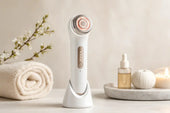
If you love facial care, consider pairing aromatherapy with facial massage tools. Using these tools along with essential oils can elevate your pampering sessions, giving you both a radiant glow and mental clarity.
Diffusing Scents at Home
A diffuser is an excellent way to fill your living space with calming aromas. For enhanced therapeutic benefits, consider using a blend of scents. For instance, lavender paired with bergamot can create a peaceful environment perfect for unwinding after a long day.
The Intersection of Aromatherapy and Modern Wellness Practices
Aromatherapy is not just a standalone practice; it fits beautifully within contemporary wellness methods. Here's how you can combine aromatherapy with other health practices:
Enhancing Yoga and Meditation
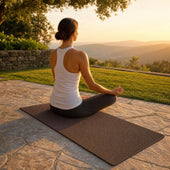
Imagine practicing yoga while enveloped in the aromatic embrace of sandalwood or citrus. Incorporating essential oils into your yoga routine helps create an atmosphere conducive to self-reflection and mindfulness. Similarly, using scents during meditation can deepen your experience, helping to ground you and focus your mind.
Stress Relief with Massage
Massage therapy is widely recognized for its stress-relieving benefits. By combining professional massages with aromatherapy—such as using a face and neck lift massager that incorporates essential oil applications—you can experience a phenomenal synergy that enhances relaxation and revitalization.
The Benefits of Integrating Aromatherapy with Other Holistic Approaches
The blend of aromatherapy with other holistic practices amplifies its effectiveness. Here’s why this combination works:
Boosts Overall Mental Health
Merging aromatherapy with practices such as mindfulness can significantly bolster mental health. Certain essential oils can alleviate depressive symptoms, and when practiced alongside meditation or journaling, their effects can compound positively, offering deeper insights and emotional healing.
Enhanced Physical Well-being
Aromatherapy can also serve as a companion to physical wellness routines. Combining essential oils with regular exercise, whether it’s jogging or your favorite workout, can result in a more fulfilling experience. Scents like peppermint can invigorate your energy levels, while eucalyptus can soothe muscle tension following a workout.
Creating Your Own DIY Aromatherapy Blends
Feeling inspired to create a personalized touch? Making your own essential oil blends can add a unique flavor to your aromatherapy experience. Here’s how you can get started:
Understanding the Basics of Blending
When crafting your custom blends, there are three main categories of scents to consider:
- Top Notes: These are light and refreshing, setting the initial impression of the blend. Common examples are citrus and mint oils.
- Middle Notes: Known as heart notes, these oils give body to the blend. Lavender and geranium are popular middle notes.
- Base Notes: These are rich, grounding scents that anchor the blend and last the longest. Look to oils like cedarwood or patchouli.
A Simple DIY Blend Recipe
Here’s a quick and easy recipe to get you started:
- 10 drops of lavender oil (middle note)
- 5 drops of lemon oil (top note)
- 3 drops of cedarwood oil (base note)
Mix these oils in a dark glass bottle and fill it with a carrier oil, such as jojoba or sweet almond oil. This blend can be used for a soothing body massage or added to a warm bath for a tranquil experience.
Sparking Transformation in Mind, Body, and Spirit
As we venture through life, it’s vital to invest in our mind, body, and spirit. Aromatherapy offers a pathway to not only enhance physical health but also nurture emotional and spiritual well-being. It supports modern wellness practices while inviting mindfulness and intentionality into our daily routines.
Embrace the fragrant power of essential oils, incorporate them into your self-care regime, and watch as they help you cultivate serenity, vitality, and joy. Whether it’s through diffusers, massages, or DIY blends, the world of aromatherapy stands ready to enrich your life in countless ways.
So why not take a fragrant leap today? Start exploring the wonderful world of aromatherapy and discover how this simple practice can lead to profound transformation and rejuvenation in your life!
Linked Product

Natural Jade Facial Roller & Gua Sha Set
The Natural Jade Facial Roller & Gua Sha Set is designed to enhance your skincare routine by promoting blood circulation and lymphatic drainage. Ideal for reducing puffiness and tension, the facial roller gently massages the skin, while the Gua Sha tool assists in contouring and lifting the face. Suitable for all skin types, this set offers an accessible way to incorporate self-care into your daily regimen.
View ProductPros and Cons
| Advantages of Aromatherapy | Drawbacks of Aromatherapy |
|---|---|
| Promotes relaxation and reduces stress. | May cause allergic reactions in some individuals. |
| Enhances mood and emotional well-being. | Effectiveness can vary based on individual preferences. |
| Supports physical wellness through various applications. | Quality of essential oils can differ, affecting results. |
| Can be easily incorporated into daily routines. | Requires knowledge of proper usage and blending techniques. |
| Offers a natural alternative to pharmaceuticals. | Not a substitute for professional medical treatment. |
Who It's For (And Not For)
Who It's For
- Individuals Seeking Stress Relief: If you often feel overwhelmed or anxious, aromatherapy can provide calming effects and help create a soothing environment.
- Wellness Enthusiasts: Those who integrate holistic practices into their routines will find that aromatherapy complements methods like yoga and meditation.
- People Interested in Natural Remedies: If you prefer natural solutions for enhancing mood and well-being, essential oils can be a great addition to your self-care regimen.
- DIY Lovers: If you enjoy crafting and personalizing your wellness products, creating your own essential oil blends can be a fulfilling activity.
Who It's Not For
- Individuals with Allergies: If you have sensitivities or allergies to certain scents or plant extracts, aromatherapy may not be suitable for you.
- People Who Prefer Conventional Medicine: If you rely solely on pharmaceutical solutions for health concerns, aromatherapy may not align with your approach to wellness.
- Those Uninterested in Holistic Practices: If you are not open to exploring alternative wellness methods, aromatherapy may not resonate with your lifestyle.
- Individuals with Respiratory Issues: If you have conditions like asthma, inhaling essential oils may exacerbate your symptoms and should be approached with caution.
Key Takeaways
- Aromatherapy enhances overall well-being by using essential oils to improve mental, emotional, and physical health.
- Essential oils like lavender, peppermint, and eucalyptus offer specific benefits, such as reducing anxiety and boosting energy.
- Incorporating aromatherapy into daily routines can be simple, such as mindful breathing or adding oils to self-care rituals.
- Aromatherapy complements practices like yoga and meditation, enhancing relaxation and mindfulness.
- Combining aromatherapy with massage therapy can significantly amplify relaxation and stress relief.
- Creating DIY essential oil blends allows for personalized aromatherapy experiences tailored to individual preferences.
- Aromatherapy supports mental health by alleviating depressive symptoms when used alongside mindfulness practices.