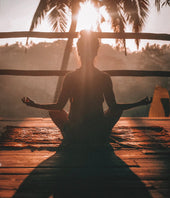
Understanding the science of relaxation is crucial for improving physical and mental wellbeing. Relaxation reduces stress, enhances productivity, and promotes better health through techniques like mindfulness, deep breathing, and massage. Tools like TENS technology and shiatsu neck massagers can facilitate relaxation. Prioritize relaxation in daily routines to experience its transformative benefits for a healthier life.
Table of Contents
- The Science Behind Relaxation
- Stress Response: The Antithesis of Relaxation
- Physiology of Relaxation
- Health Benefits of Relaxation
- Enhanced Mental Clarity
- Improved Sleep Quality
- Boosted Immune Function
- Reduction in Chronic Pain
- Practical Relaxation Techniques
- Mindfulness and Meditation
- Deep Breathing Exercises
- Gentle Yoga or Stretching
- Massage Therapy
- Creating a Relaxation Routine
- Set Aside Time Daily
- Create a Relaxing Environment
- Incorporate Different Techniques
- Understanding Obstacles to Relaxation
- Time Constraints
- Mind Chatter
- Feeling Guilty for Taking Time Off
- Finding Your Perfect Relaxation Tools
- TENS Technology Massager
- Shiatsu Neck Massager
- Aromatherapy Devices
- Take the Plunge into Relaxation
Relaxation is often seen as a luxury rather than a necessity. However, understanding the science of relaxation can profoundly impact your physical and mental wellbeing. From reducing stress to enhancing productivity, relaxation offers a myriad of benefits that can transform your daily life. This article will delve deep into the science of relaxation, explore its various benefits, and discuss how tools like the TENS technology massager and shiatsu neck massager can help you achieve that elusive state of calm. So, let’s embark on this relaxing journey together!
The Science Behind Relaxation
To comprehend why relaxation is vital, we must first explore the science that unpins it. At its core, relaxation is about slowing down our physiological processes. When we relax, our body enters a state of rest, characterized by decreased heart rate, lower blood pressure, and reduced muscle tension.
Stress Response: The Antithesis of Relaxation
Understanding stress is crucial. Stress triggers the body’s “fight or flight” response, releasing hormones like cortisol and adrenaline. While this reaction can be beneficial in short bursts, chronic stress leads to health issues such as anxiety, depression, and cardiovascular problems. This is where relaxation plays a vital role as a counterbalance to stress.
Physiology of Relaxation
When you engage in relaxation techniques, the body responds in several ways:
- Muscle Relaxation: Deep breathing and stretching release tension in the muscles.
- Decrease in Heart Rate: Relaxation techniques help slow down the heart rate, creating a sense of calm.
- Improved Blood Flow: Relaxation increases blood flow, ensuring that vital organs receive adequate oxygen.
- Endorphin Release: Activities that calm your mind can trigger the release of endorphins, our body’s natural painkillers.
Health Benefits of Relaxation
Incorporating relaxation into your daily routine offers numerous health benefits that enhance your quality of life. Let’s explore some of these astonishing benefits that you can start experiencing today.
Enhanced Mental Clarity
Regular relaxation can help improve focus and concentration. With a calmer mind, you can think more clearly, making it easier to tackle challenges and make decisions. Try incorporating tools like a shiatsu neck massager into your relaxation routine to unwind after a long day, allowing your brain to recharge.
Improved Sleep Quality
Quality sleep is paramount for overall health. Engaging in relaxation techniques before bedtime, such as meditation or using a gentle TENS technology massager, can significantly enhance the quality of your sleep, leading to better recovery and rejuvenation overnight.
Boosted Immune Function
Chronic stress can weaken your immune system, making you more susceptible to illness. Relaxation helps in strengthening your immune response. By incorporating relaxation practices into your routine, you may find yourself feeling healthier and more resilient.
Reduction in Chronic Pain
Many individuals suffer from chronic pain conditions, which can be exacerbated by stress. Techniques aimed at relaxation can alleviate pain symptoms. Tools like the TENS technology massager offer a soothing way to ease muscle tension and reduce discomfort, providing immediate relief.
Practical Relaxation Techniques
Now that we understand the science and benefits of relaxation, let's discuss some effective techniques you can incorporate into your daily routine for maximum advantage.
Mindfulness and Meditation
Practicing mindfulness helps keep you present in the moment, reducing the tendency to fixate on past regrets or future anxieties. This mental technique can be done anywhere. Spend just a few minutes focusing on your breath, noticing the sensations around you, or even engaging in guided meditation through an app.
Deep Breathing Exercises
Deep breathing is a straightforward yet effective method to induce relaxation. When you focus on taking long, slow breaths, you stimulate your body's relaxation response. Aim for diaphragmatic breathing—inhale deeply through your nose, allowing your abdomen to rise, then exhale slowly through your mouth.
Gentle Yoga or Stretching
Incorporating gentle yoga or stretching into your routine can enhance your flexibility while promoting relaxation. Not only does this help alleviate tension in the muscles, but it also encourages a clearer mind and better mental focus.
Massage Therapy
Massages are an excellent avenue for relaxation. Utilizing innovative tools like the shiatsu neck massager allows you to enjoy the benefits of massage in the comfort of your home. These devices can help relieve muscle tension and promote emotional relaxation.
Creating a Relaxation Routine
Consistency is key when it comes to relaxation. Here’s how you can set up a routine that works for you:
Set Aside Time Daily
Designating a specific time each day for relaxation can create a habit. Whether it's early in the morning to start your day off right or in the evening to wind down, ensure that you allocate these moments for yourself.
Create a Relaxing Environment
Set up a dedicated space for relaxation equipped with comforting elements like soft lighting, calming scents, and minimal distractions. This space can become your oasis for calming the mind and body.
Incorporate Different Techniques
Variety keeps your routine exciting. Experiment with various relaxation techniques to discover what resonates most with you. Mixing deep breathing, mindfulness, and massage allows you to find a balanced approach that best meets your relaxation needs.
Understanding Obstacles to Relaxation
Even with a strong desire to relax, some barriers may impede your journey. Let’s explore common obstacles and how to overcome them.
Time Constraints
Life can be hectic, making it challenging to carve out time for relaxation. Start with short sessions of just 5-10 minutes and gradually add more time as you become more comfortable with these practices.
Mind Chatter
Many people struggle to quiet their minds. If you find it hard to let go of your thoughts, acknowledge them without judgment. Bring your focus back to your breath or the present moment. The more you practice, the easier it will become.
Feeling Guilty for Taking Time Off
Prioritizing relaxation often comes with guilt in our go-go-go society. Remember, relaxation is not only beneficial for you but also for those around you. A relaxed mind leads to better interactions and a more positive outlook on life.
Finding Your Perfect Relaxation Tools
To maximize your relaxation efforts, consider adding tools that suit your preferences. Here are some popular options:
TENS Technology Massager
A TENS technology massager uses electrical impulses to stimulate nerves, relieving pain and promoting relaxation in the body. This incredible tool can be a game changer in your self-care routine, allowing you to relax your body while overcoming any discomfort you may be experiencing.
Shiatsu Neck Massager
A shiatsu neck massager leverages traditional Japanese massage techniques to relieve tension in the neck and shoulders. Using this device can help melt away your stress while providing comfort and relaxation, particularly after a long day.
Aromatherapy Devices
Essential oils have remarkable calming properties. Diffusers or roll-ons with calming scents like lavender or chamomile can enhance your relaxation practice, making it a multisensory experience.
Take the Plunge into Relaxation
In a world that often pushes us to be "on" all the time, it's essential to remind ourselves of the importance of relaxation. By understanding its science and benefits, you can prioritize this vital practice in your life. Whether through meditation, breathing exercises, or utilizing innovative devices like a TENS technology massager or a shiatsu neck massager, the journey toward relaxation can profoundly transform your overall health and wellbeing.
Don't just take relaxation lightly; embrace it as a necessary aspect of your lifestyle. Start small, explore different techniques, and reimagine what relaxation means for you. Soon enough, you'll realize that a calmer, healthier you is not only possible but entirely within your reach. Relaxation can be your new superpower!"
Linked Product

Smart Neck Massager
The Smart Neck Massager offers targeted relief for neck tension and stiffness, making it an ideal solution for those experiencing discomfort from long hours of work or poor posture. Utilizing advanced TENS pulse technology and soothing heat therapy, it promotes muscle relaxation and improves circulation. Its ergonomic design allows for hands-free use, making it convenient for relaxation at home, in the office, or while traveling.
View ProductPros and Cons
| Advantages of Relaxation | Drawbacks of Relaxation |
|---|---|
| Reduces stress and anxiety levels. | May require time commitment that some find difficult to manage. |
| Enhances mental clarity and focus. | Initial difficulty in quieting the mind during relaxation techniques. |
| Improves sleep quality and recovery. | Can lead to feelings of guilt for taking time off for oneself. |
| Boosts immune function and overall health. | Some relaxation tools may have a learning curve for effective use. |
| Alleviates chronic pain and muscle tension. | Not all relaxation methods work for everyone; personalization is needed. |
Who It's For (And Not For)
Who It's For
- Individuals Experiencing Chronic Stress: If you often feel overwhelmed or anxious, incorporating relaxation techniques can help mitigate these feelings and improve your overall wellbeing.
- People Seeking Improved Sleep Quality: Those who struggle with sleep issues may benefit from relaxation practices that promote better rest and recovery.
- Anyone Looking to Enhance Mental Clarity: If you need to improve focus and concentration, regular relaxation can help clear your mind and boost productivity.
- Individuals with Chronic Pain: Techniques aimed at relaxation can alleviate pain symptoms, making them ideal for those dealing with discomfort.
Who It's Not For
- People Who Prefer High-Intensity Activities: If you thrive on fast-paced, high-energy environments, relaxation techniques may feel counterproductive to your lifestyle.
- Individuals Unwilling to Change Routines: Those resistant to altering their daily habits may find it challenging to incorporate relaxation practices into their lives.
- People with Limited Time: If your schedule is extremely packed and you cannot dedicate even a few minutes to relaxation, you may struggle to see the benefits.
- Individuals Who Do Not Value Self-Care: If you do not believe in the importance of taking time for yourself, relaxation may not resonate with you.
Key Takeaways
- Relaxation is essential for physical and mental wellbeing, helping to reduce stress and improve productivity.
- Chronic stress negatively impacts health, leading to issues like anxiety and cardiovascular problems.
- Incorporating relaxation techniques can enhance sleep quality and boost immune function.
- Tools like TENS technology massagers and shiatsu neck massagers can effectively alleviate muscle tension and chronic pain.
- Practicing mindfulness and deep breathing can significantly promote relaxation and mental clarity.
- Creating a dedicated relaxation routine and environment can help make relaxation a consistent part of your daily life.
- Overcoming obstacles like time constraints and mind chatter is crucial for establishing effective relaxation practices.