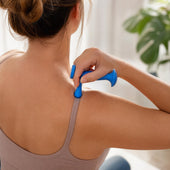
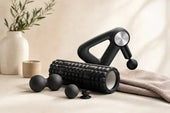
Muscle trigger points are tight bands of muscle fibers that form knots when a muscle is overworked, stressed, or injured. These knots can refer pain to other areas, restrict range of motion, and contribute to persistent soreness even after you finish a workout. Understanding what you are feeling is the first step toward effective relief. Trigger points often develop in areas that bear a lot of load—necks from looking down at screens, shoulders from carrying bags or sport-specific overhead actions, and the calves from repetitive jumping or running load. When you press or roll over a trigger point, you may notice a local ache or a referred pain pattern that helps you locate the knot and plan targeted relief.
What a manual trigger point massager brings to relief and recovery
A well-designed manual trigger point massager focuses pressure precisely where your muscle needs it most. The benefit isn’t just in applying pressure; it’s about controlled, targeted therapy that can reach deep into fascia and muscle fibers. With the right technique, you can release tight tissue, improve blood flow, shorten recovery time after heavy sessions, and reduce the stiffness that makes warmups and cooldowns feel rigid. For athletes and desk-based professionals alike, a compact, easy-to-handle tool can be carried to the gym, office, or travel destination and used during short breaks or after workouts.
Step-by-step guide: how to use a manual trigger point massager
- Prepare and warm up: Light activity or a warm-up helps your muscles respond to deeper pressure. Gentle movements or a short walk for 5–10 minutes can increase tissue pliability and reduce the risk of bruising or excessive soreness.
- Locate the knot: Use slow, deliberate pressure to scan along the muscle line. You’re looking for a taut spot that feels denser than surrounding tissue and may be tender when pressed. It can take a few seconds of sustained contact to identify the trigger point.
- Position and angle: Hold the massager with a comfortable grip and align its pressure with the direction of the muscle fibers. For deeper knots, apply steady pressure and slightly adjust the angle to target the point where the knot forms if the tissue feels too compressed in one spot.
- Apply controlled pressure: Start with light pressure and gradually increase to a tolerable level. The sensation should feel like a deep, but manageable, ache rather than sharp pain. Hold for 20–60 seconds as you breathe slowly.
- Release and reset: Slowly ease off the pressure, then gently move to adjacent areas to avoid aggravating the same tissue. If the knot remains stubborn, you can return to the point after a short rest or after repeating a short movement pattern (e.g., light shoulder rolls) to reacclimate the tissue.
- Breathing and pacing: Inhale through the nose and exhale through the mouth while maintaining pressure. This helps relax surrounding muscles and supports a deeper, more comfortable release.
- Post-treatment care: Light stretching and gentle mobility work after treatment can help re-educate tissue length and prevent immediate reknots. Hydration and a brief cooldown promote circulation and recovery.
Targeted use by body area
- Neck and upper shoulders: Focus on the upper trapezius and nuchal lines with slow, pelvic-like movements of the massager along the neck edge. Avoid rolling directly on the spine. Use short, controlled presses to release tension from carrying heavy loads or long screen hours.
- Shoulders and deltoids: Target the deltoids’ lateral and posterior fibers with small circular or vertical strokes. This can help ease stiffness from overhead work or weighted training.
- Back and lats: Use long, directional strokes across the back muscles, avoiding the spine. Treat the large muscle groups first, then move to smaller knots near the shoulder blade corners.
- Arms and forearms: Work along the biceps, triceps, and forearm creases to address repetitive strain or grip-based fatigue commonly seen in lifting or computer work.
- Legs and calves: Apply pressure along the gastrocnemius and soleus in slow, vertical passes. Focus on common tight spots near the mid-calf and around the Achilles tendon, carefully avoiding direct contact with the tendon itself.
- Feet: The plantar fascia and foot arches respond well to sustained pressure along the sole and heel. Use shorter passes and lighter pressure to avoid overstimulation.
Safety, pacing, and when to pause
Manual trigger point work should feel like an effective deep tissue release, not pain. If you experience sharp, shooting, or numbness sensations, stop immediately and reassess your pressure. Do not apply pressure directly on bones, nerves, or open wounds. If you have a history of acute injuries, recent surgery, or a medical condition that affects tissue healing, consult a healthcare professional before starting self-massage. Pregnant individuals should seek guidance on safe areas and pressure levels. Start with lighter pressure and shorter sessions, then gradually increase as your tissue adapts.
Incorporating a trigger point routine into your recovery plan
Consistency matters more than intensity. A brief, daily session can yield meaningful gains in range of motion, reduced stiffness, and improved soreness tolerance. Pair your self-massage with these recovery habits:
- Hydration and nutrition that supports muscle repair
- Dynamic warm-ups before workouts and gentle cooldowns after
- Targeted stretching to complement knot release
- Sleep and rest days that allow tissue repair
For athletes, implementing trigger point work as part of a broader mobility and recovery strategy can help maintain performance and reduce downtime between sessions. For office workers, it can be a practical tool to counteract desk-related tension and postural stress. The key is to move gradually from one muscle group to another, listen to your body, and adapt your pressure and duration to your own tolerance and goals.
Choosing a tool that fits your grip and reach is part of the equation. The right massager should feel natural in your hand, provide stable control over your pressure, and be easy to carry. A compact, lightweight unit makes it simpler to integrate into daily routines without adding friction to your recovery plan.
Here is what matters most when selecting a manual trigger point massager:
- Ergonomic design that fits comfortably in your hand and allows you to apply precise pressure without fatigue
- Versatility to address multiple body regions with adjustable angles or touchpoints
- Portability for use at home, gym, work, or while traveling
- Durability and simple maintenance to keep it reliable over time
When you’re ready to explore a high-quality option, keep in mind that a purpose-built tool can make a meaningful difference in how effectively you target knots and fascia, how quickly you recover, and how consistently you can perform self-massage as part of your daily routine.

Maintenance, care, and longevity
A manual massager requires minimal care beyond cleaning after use and inspecting the grip area for wear. Wipe the surface with a clean, damp cloth and mild soap if needed, then dry thoroughly. Store in a cool, dry place away from direct sunlight. If your tool includes replaceable parts or contact surfaces, check for wear regularly and replace components as recommended by the manufacturer. Keeping your massager clean and well maintained helps prevent skin irritation and ensures a reliable tool for many sessions to come.
Practical recovery routines and sample week plan
Here are two example routines you can adapt to your schedule and goals. The focus is on consistent, brief sessions that pair well with workouts or daily activities. Feel free to adjust pressure, duration, and body regions based on how your body feels each day.
- Daily 5–10 minute refresh: Target one to two muscle groups with moderate pressure. Spend 2–3 minutes per area, then perform light mobility work or stretches.
- Post-workout tension release (3–4 days per week): After training, use gentle pressure on the worked muscle groups for 5–7 minutes total. Include 2–3 focused points to address knots and fascia.
- Active recovery week pattern: Alternate between trigger point sessions and mobility sessions on non-consecutive days to maintain tissue balance and movement quality.
Common questions and quick myths
- Do I need a fancy massager? Not necessarily. The best tool is the one you can use consistently with proper technique and comfort. A lightweight manual device can be highly effective when used correctly.
- How long should a session last? Start with 5–10 minutes per day and gradually increase if your body tolerates it. Avoid overdoing a single area in one session.
- Can I overdo it? Yes. Too much pressure or frequency can irritate tissue and prolong soreness. Listen to your body and allow rest when needed.
Conclusion: your path to less tension and faster recovery
Targeted pressure applied with a thoughtful routine can restore tissue length, reduce soreness, and improve overall movement quality. Whether you’re an athlete pushing for personal bests, a therapist integrating self-massage into a care plan, or someone seeking daily relief from everyday stiffness, a reliable manual trigger point massager can be a simple, effective addition to your toolbox. Start with careful technique, respect your body’s limits, and build a recovery routine that suits your training and life.