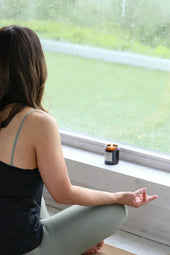
Stress is a common challenge that can negatively impact mental and physical health. This article discusses the science of stress and offers practical strategies for relief, including mindfulness, physical activity, deep breathing, and using tools like a smart neck massager and acupressure mats. Proper nutrition, hydration, social connections, and establishing healthy routines are also essential. Consistency in applying these techniques is key to managing stress effectively and enhancing overall well-being.
Table of Contents
- What is Stress?
- Types of Stress
- The Science Behind Stress
- Physiological Responses to Stress
- Psychological Responses to Stress
- Effective Stress Relief Techniques
- Mindfulness and Meditation
- Physical Activity
- Deep Breathing Exercises
- Using Tools for Relaxation
- Nutrition and Hydration
- Social Connections
- Establishing Healthy Routines
- Seeking Professional Help
- The Ripple Effects of Reduced Stress
- The Importance of Consistency
- Finding Your Personal Stress Relief Toolbox
In our ever-demanding world, stress has become an unwelcome companion for many. Finding effective ways to manage and reduce stress is crucial for our mental and physical well-being. In this article, we'll explore the science behind stress relief and provide practical strategies to help you reclaim your peace of mind. From innovative tools like the smart neck massager to the incredible acupressure mat benefits, let’s dive deep into techniques and insights that can transform your everyday life.
What is Stress?
Stress is a natural response to external pressures or threats, which can manifest physically, mentally, and emotionally. When we experience stress, our bodies trigger the "fight or flight" response, leading to the release of hormones such as adrenaline and cortisol. While this response can be beneficial in short bursts, chronic stress can have serious repercussions on our health.
Types of Stress
Understanding the types of stress can help you identify the root cause of your tension and implement effective coping strategies. Here are the primary categories:
- Acute Stress: This is the most common form of stress, often resulting from immediate challenges or pressures. Situations like a deadline at work or preparing for a presentation can cause acute stress.
- Chronic Stress: This type of stress persists over time and can stem from ongoing issues, such as a demanding job or financial troubles. Chronic stress can lead to significant health problems.
- Eustress: Not all stress is bad! Eustress is positive stress that can motivate you, like preparing for a wedding or starting a new job.
The Science Behind Stress
Stress affects our bodies in profound ways. Understanding the physiological and psychological effects can help us adopt more effective stress relief methods. Let’s delve into how stress impacts us and the science behind why stress relief techniques work.
Physiological Responses to Stress
When faced with stress, our body prepares to respond. This includes:
- Increased Heart Rate: The heart pumps faster to deliver more oxygen and nutrients to muscles in preparation for action.
- Heightened Senses: Stress sharpens our senses and boosts adrenaline levels, ensuring we're alert and ready for immediate tasks.
- Muscle Tension: The body instinctively tightens muscles, which can lead to discomfort and pain if stress is prolonged.
- Digestive Changes: Stress can interfere with digestion, leading to symptoms like stomachaches or changes in appetite.
Psychological Responses to Stress
On the mental and emotional level, stress can lead to symptoms such as:
- Anxiety: A heightened sense of worry and apprehension often accompanies stress.
- Depression: Chronic stress can contribute to feelings of hopelessness and despair.
- Difficulty Concentrating: A stressful mind finds it challenging to focus on tasks at hand.
Effective Stress Relief Techniques
Now that we understand what stress is and how it affects us, let's explore various strategies for stress relief. These techniques range from lifestyle changes to relaxation methods and specialized tools like a smart neck massager.
Mindfulness and Meditation
Mindfulness involves being present in the moment without judgment. Meditation practices can help calm your mind, decrease anxiety, and enhance your overall sense of well-being. Start by dedicating just a few minutes each day to meditation or mindfulness exercises. You can use guided meditations available online to ease into the practice.
Physical Activity
Regular exercise is an efficient way to combat stress. Engaging in physical activity releases endorphins, the body's natural stress relievers. Whether it’s a brisk walk, a challenging workout, or yoga, incorporating movement into your daily routine can dramatically improve your mood.
Deep Breathing Exercises
Deep breathing exercises are a quick and effective technique to regulate stress responses. Try this simple method:
- Take a deep breath in through your nose for a count of four.
- Hold your breath for a count of seven.
- Exhale slowly through your mouth for a count of eight.
- Repeat for several cycles.
This technique promotes relaxation and decreases feelings of stress almost instantly.
Using Tools for Relaxation
Many people find that using physical tools can enhance their stress relief practices. One great option is a smart neck massager. This innovative device combines technology and traditional massage techniques to help relieve tension and promote relaxation. Imagine the calming sensation of a gentle massage at any time in the comfort of your home. It's a sought-after solution for many who struggle with neck and shoulder tightness due to stress.
Another exceptional tool is an acupressure mat, which can offer numerous benefits. Studies suggest that lying on an acupressure mat for as little as 20 minutes can help reduce stress levels, improve sleep quality, and alleviate pain. The principles of acupressure are rooted in ancient practices, utilizing pressure points on the body to stimulate relaxation and energy flow.
Nutrition and Hydration
What we eat significantly influences how we feel. Opting for a diet rich in whole foods—such as fruits, vegetables, lean proteins, and whole grains—can equip your body with nutrients that support stress management. Foods high in omega-3 fatty acids, such as salmon and walnuts, can bolster mood and overall health.
Staying well-hydrated is crucial as well. Dehydration can cause irritability and fatigue, exacerbating stress. Aim to drink enough water throughout the day and incorporate herbal teas known for their calming effects, such as chamomile or peppermint.
Social Connections
Building and maintaining strong social connections can provide a robust support system. Engaging with friends, family, or community groups isn’t just enjoyable; it can also mitigate feelings of stress. Loneliness can amplify stress, so reach out and check in on your loved ones, and don't hesitate to seek support when you need it.
Establishing Healthy Routines
Routines can provide a sense of structure and predictability, which can help manage stress levels. Here are some elements to consider when creating a stress-relief routine:
- Sleep: Ensure you’re getting quality sleep each night. Aim for 7-9 hours, and create a calming bedtime routine.
- Time for Yourself: Don't forget to carve out time for activities you love. Whether it’s reading, gardening, or listening to music, indulging in your interests can rekindle your spirit.
- Limit Screen Time: Consider taking regular breaks from screens, especially before bedtime. Disconnecting can help reduce stress caused by information overload.
Seeking Professional Help
If stress becomes overwhelming or persistent, consulting a mental health professional may be necessary. Therapy can provide you with tailored strategies and support to navigate your challenges, and it’s a sign of strength to ask for help.
The Ripple Effects of Reduced Stress
Implementing stress relief strategies not only benefits you personally; it can have a positive ripple effect on every aspect of your life. Reduced stress can enhance your relationships, boost your productivity, and improve your overall health. Embracing stress management techniques means investing in yourself and your future.
The Importance of Consistency
Integrating stress relief techniques into your daily routine requires consistency. Much like exercising or eating healthy, the benefits compound over time. Make a commitment to prioritize your mental wellness and find what works best for you, whether it's using a smart neck massager or indulging in the acupressure mat benefits.
Finding Your Personal Stress Relief Toolbox
Everyone has unique preferences when it comes to managing stress. Experimenting with different techniques and tools is key to finding what resonates with you the most. Be patient with yourself and remember, it’s okay to seek a balance that works for your lifestyle. Embrace the journey to stress relief and discover the calm within you.
In a world that often feels chaotic, taking steps toward understanding and managing stress can create a sanctuary of peace in our lives. From nurturing relationships to exploring self-care techniques, the journey to reduced stress is holistic. With these insights and tools at your disposal, you are well on your way to mastering the art of stress relief. Your well-being deserves it!
Linked Product

Smart Neck Massager
The Smart Neck Massager offers targeted relief for neck tension and stiffness, making it suitable for use during long work hours or while traveling. Its combination of TENS pulse technology and heat therapy promotes muscle relaxation and improves circulation, helping to ease everyday stress. With a lightweight, ergonomic design and customizable settings, this device provides a convenient way to incorporate relaxation into your routine.
View ProductPros and Cons
| Advantages of Stress Relief Techniques | Drawbacks of Stress Relief Techniques |
|---|---|
| Improves mental and physical well-being. | May require time and consistency to see results. |
| Enhances focus and productivity. | Some techniques may not work for everyone. |
| Promotes relaxation and reduces anxiety. | Initial discomfort may occur with certain methods. |
| Encourages healthy lifestyle changes. | Access to tools (e.g., massagers) may involve costs. |
| Strengthens social connections through shared activities. | Seeking professional help can be stigmatized. |
Who It's For (And Not For)
Who It's For
- Individuals Experiencing High Levels of Stress: If you're feeling overwhelmed by daily pressures, these stress relief techniques can help you regain control and improve your well-being.
- People Seeking Practical Solutions: Those looking for actionable strategies to manage stress, such as mindfulness, physical activity, and relaxation tools, will benefit from the insights provided.
- Health-Conscious Individuals: If you prioritize mental and physical health, incorporating stress relief methods into your routine can enhance your overall quality of life.
- Anyone Open to Experimentation: If you're willing to try different techniques and tools to find what works best for you, this article offers a variety of options to explore.
Who It's Not For
- Individuals Not Affected by Stress: If you do not experience stress or find it manageable, you may not find the information in this article relevant to your needs.
- People Seeking Quick Fixes: Those looking for instant solutions without commitment to long-term strategies may not benefit from the techniques discussed.
- Individuals Unwilling to Change: If you're resistant to trying new methods or making lifestyle adjustments, the suggestions may not resonate with you.
- Those with Severe Mental Health Conditions: If you are struggling with significant mental health issues, seeking professional help should be your priority rather than relying solely on self-help techniques.
Key Takeaways
- Understand Stress Types: Recognize acute, chronic, and eustress to identify your stressors effectively.
- Practice Mindfulness: Incorporate mindfulness and meditation into your daily routine to enhance mental clarity and reduce anxiety.
- Engage in Physical Activity: Regular exercise releases endorphins, which naturally alleviate stress and improve mood.
- Utilize Relaxation Tools: Consider using a smart neck massager or acupressure mat to relieve tension and promote relaxation.
- Maintain Healthy Nutrition: A balanced diet rich in whole foods and proper hydration can significantly impact your stress levels.
- Build Social Connections: Foster strong relationships with friends and family to create a supportive network that helps mitigate stress.
- Seek Professional Help: If stress becomes overwhelming, consulting a mental health professional can provide tailored strategies for managing it.