Establishing a personalized relaxation routine is crucial for mental and physical well-being. Key elements include creating a calming environment, incorporating mindfulness practices, engaging in gentle movement, prioritizing self-care, and connecting with nature. Consistency is vital for effectiveness, and adjusting your routine over time can enhance its benefits. Remember to make relaxation a priority in your daily life to reduce stress and improve overall health.
Table of Contents
- Understanding the Importance of Relaxation
- Setting the Right Environment
- Create a Peaceful Space
- Incorporating Mindfulness Practices
- The Role of Mindfulness
- Physical Relaxation Techniques
- Using Movement to Unwind
- Say Hello to the Smart Neck Massager
- Setting a Relaxation Schedule
- Consistency is Key
- Prioritizing Self-Care
- Make Room for Yourself
- The Role of Music and Sound
- Let the Music Flow
- Connecting with Nature
- Unplug and Recharge
- Finding Balance
- Transform Your Mindset
- Enhancing Your Routine Over Time
- Growth is a Continuous Journey
- Unlock Your Best Self
Finding time to unwind and recharge is essential for maintaining our mental and physical health. A well-crafted relaxation routine can help you escape the everyday hustle and promote overall well-being. In this article, we will explore the essential elements of a relaxation routine, emphasizing how simple adjustments can lead to profound benefits in your daily life.
Understanding the Importance of Relaxation
Before diving into the specifics of creating an effective relaxation routine, it's crucial to understand why relaxation is important. Stress has been linked to a multitude of health issues, from anxiety and depression to chronic illnesses. Engaging in regular relaxation can:
- Reduce stress and anxiety levels
- Improve sleep quality
- Enhance focus and productivity
- Boost mood and emotional resilience
Incorporating a relaxation routine into your daily life can thus help mitigate these negative effects, paving the way for a healthier lifestyle. Let's explore the key elements that can help you create your personalized relaxation routine.
Setting the Right Environment
Create a Peaceful Space
The environment in which you choose to relax can significantly influence the effectiveness of your routine. Here are some tips for creating a calming atmosphere:
- Declutter: A tidy space can promote mental clarity and make it easier to unwind.
- Dim the Lights: Soft lighting can help set a tranquil mood.
- Add Nature Elements: Incorporate plants or natural elements to bring a sense of calm indoors.
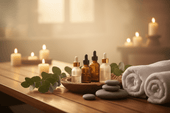
- Use Aromatherapy: Scents like lavender or chamomile can enhance relaxation; consider using essential oils or candles.
These adjustments can transform any room into a sanctuary, making it a perfect spot for relaxation.
Incorporating Mindfulness Practices
The Role of Mindfulness
Mindfulness is the practice of being present in the moment and can play a pivotal role in your relaxation routine. Here are some effective mindfulness practices you might consider:
- Meditation: A few minutes of meditation can help clear your mind, focus on your breath, and reduce anxiety.
- Deep Breathing: Focusing on your breath can help calm your nervous system; try inhaling deeply and exhaling slowly.
- Gratitude Journaling: Write down things you are grateful for to shift your mindset to positivity.
- Guided Visualization: This technique involves imagining a calm and peaceful scene to alleviate stress.
Incorporating these mindfulness techniques into your routine can lead to enhanced relaxation and curb the overwhelming feeling of everyday life.
Physical Relaxation Techniques
Using Movement to Unwind
While relaxation is often associated with stillness, gentle movement can also play a crucial role. Consider the following activities:
- Yoga: Engaging in yoga can stretch your muscles, reduce tension, and calm your mind.
- Stretching: Simple stretches can relieve physical tension built up in your body.
- Walking: A leisurely walk in nature can boost your mood and clear your mind.
These movements help release endorphins and provide a natural way to reduce stress and promote relaxation.
Say Hello to the Smart Neck Massager
As part of your physical relaxation techniques, you might also consider incorporating technology like a Smart Neck Massager into your routine. These devices are designed to soothe sore muscles and provide a sense of tranquility. Using a Smart Neck Massager can help release tension in your neck and shoulders, leaving you feeling more relaxed and rejuvenated. It's an excellent complement to other relaxation techniques, especially after a long day.
Setting a Relaxation Schedule
Consistency is Key
Creating a relaxation routine is not just about the activities you choose; it’s also about when you engage in them. Here are some tips for setting a schedule:
- Designate a Time: Find a specific time each day that works best for you, whether it’s in the morning, during lunch, or before bed.
- Start Small: If you’re new to relaxation practices, begin with just 5-10 minutes, and gradually increase the duration.
- Make it a Ritual: Consistency helps build habits, so treat your relaxation time as an important appointment you can’t miss.
By setting a consistent schedule, you'll create a waiting time that your mind and body can come to anticipate and recognize as "me-time."
Prioritizing Self-Care
Make Room for Yourself
Self-care is an essential part of a healthy relaxation routine and should never be overlooked. Here are some self-care practices you can incorporate:
- Take a Warm Bath: A warm bath can be incredibly relaxing and therapeutic.
- Indulge in Hobbies: Spend time doing something you love, whether it’s painting, reading, or gardening.
- Limit Screen Time: Disconnecting from screens can reduce overstimulation and promote a sense of calm.
- Stay Hydrated and Nourished: Proper hydration and nutrition are crucial for keeping stress at bay.
By prioritizing self-care practices, you can create a more holistic approach to your mental and physical wellness.
The Role of Music and Sound
Let the Music Flow
Music is a powerful tool for relaxation. Here are some ways to incorporate sound into your routine:
- Calming Playlists: Create playlists with soft, soothing music to promote relaxation.
- Sound Baths: Listen to sound bath recordings or attend a session to experience deep relaxation.
- Nature Sounds: Incorporate ambient sounds of nature into your routine for a calming effect.
Mood-enhancing music not only helps drown out the noise of the outside world but also establishes a more relaxed state of mind.
Connecting with Nature
Unplug and Recharge
Nature has a unique ability to soothe and restore. Here’s how you can benefit from the great outdoors:
- Walk in the Park: Spend time walking in a local park, breathing in the fresh air, and enjoying the scenery.
- Gardening: Getting your hands dirty and connecting with the earth can be a mindful and relaxing activity.
- Practice Mindfulness Outdoors: Bring your mindfulness exercises outside; the natural environment can enhance your practice.
By immersing yourself in nature, you adds another layer of relaxation to your daily routine.
Finding Balance
Transform Your Mindset
Ultimately, the key to an effective relaxation routine is finding balance in your day-to-day life. Here are some tips to help you achieve that:
- Set Boundaries: Learn to say no and prioritize your well-being over societal expectations.
- Practice Acceptance: Acknowledging that some things are beyond your control can reduce stress and promote peace.
- Stay Flexible: Your relaxation routine should adapt to your changing needs; don’t be afraid to switch things up.
Balancing your responsibilities with your need for relaxation is the secret to long-lasting well-being.
Enhancing Your Routine Over Time
Growth is a Continuous Journey
As you develop your relaxation routine, it's essential to continually assess its effectiveness and make necessary adjustments. Be patient with yourself—finding the right balance of activities may take time. You may also want to consider adding to your routine, such as:
- Periodic Retreats: Schedule occasional retreats to rejuvenate your mind and spirit away from daily life.
- Workshops and Classes: Attend classes focused on relaxation techniques such as yoga, painting, or meditation.
- Community Groups: Join local groups dedicated to wellness for added support and motivation.
By continually evolving your relaxation routine, you’ll ensure your self-care practices always meet your needs, leading to even deeper relaxation and fulfillment.
Unlock Your Best Self
Your relaxation routine is not just a collection of practices; it’s a commitment to yourself and your well-being. By incorporating these essential elements into your daily life, you can cultivate a profound sense of calm and balance. Remember, the journey towards relaxation isn’t a race—take your time, be patient, and enjoy the beautiful moments of peace along the way. Your ultimate self deserves it!
Linked Product

Smart Neck Massager
The Smart Neck Massager is designed to provide targeted relief from neck tension and stiffness, making it ideal for anyone dealing with the strains of daily life. Utilizing advanced TENS pulse technology and soothing heat therapy, it stimulates muscles to enhance circulation and ease tension. With its ergonomic design and adjustable settings, this device offers a customizable, hands-free massage experience suitable for use at home, in the office, or on the go.
View ProductPros and Cons
| Advantages of a Relaxation Routine | Drawbacks of a Relaxation Routine |
|---|---|
| Reduces stress and anxiety levels. | May require time commitment that some find challenging. |
| Improves sleep quality. | Initial difficulty in establishing a consistent routine. |
| Enhances focus and productivity. | Potential distractions can disrupt relaxation efforts. |
| Boosts mood and emotional resilience. | Some relaxation techniques may not work for everyone. |
| Encourages self-care and mindfulness. | Requires self-discipline to maintain regular practice. |
Who It's For (And Not For)
Who It's For
- Individuals Seeking Stress Relief: If you often feel overwhelmed by daily stressors, a relaxation routine can significantly help in managing anxiety and promoting mental clarity.
- People Struggling with Sleep Issues: If you have trouble falling or staying asleep, incorporating relaxation techniques can improve your sleep quality.
- Anyone Looking to Enhance Focus and Productivity: Regular relaxation practices can boost your mental performance and help you stay productive throughout the day.
- Those Interested in Self-Care: If you value taking time for yourself and prioritizing your well-being, a relaxation routine will complement your self-care efforts.
Who It's Not For
- Individuals Uninterested in Personal Growth: If you are not looking to improve your mental and physical health, a relaxation routine may not appeal to you.
- People with a Rigid Schedule: If your daily routine leaves no room for flexibility or self-care, committing to a relaxation practice may be challenging.
- Those Who Prefer High-Intensity Activities: If you thrive on high-energy workouts and find relaxation techniques unappealing, this routine may not resonate with your lifestyle.
- Individuals Satisfied with Their Current Well-Being: If you feel content with your stress levels and overall health, you may not find the need to incorporate a relaxation routine.
Key Takeaways
- Understand the Importance of Relaxation: Regular relaxation can reduce stress, improve sleep quality, and enhance emotional resilience.
- Create a Peaceful Environment: Declutter your space, use soft lighting, and incorporate nature elements to promote a calming atmosphere.
- Incorporate Mindfulness Practices: Techniques like meditation, deep breathing, and gratitude journaling can significantly enhance your relaxation routine.
- Engage in Physical Relaxation Techniques: Activities such as yoga, stretching, and leisurely walks can help release tension and boost mood.
- Set a Consistent Relaxation Schedule: Designate a specific time each day for relaxation and treat it as an important appointment.
- Prioritize Self-Care: Engage in self-care activities like warm baths, hobbies, and proper hydration to support your overall wellness.
- Connect with Nature: Spending time outdoors can enhance relaxation and provide a refreshing break from daily stressors.