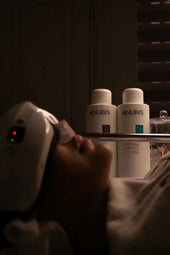
Incorporating technology into self-care routines can significantly enhance your approach to wellness. From meditation apps to wearable health devices, these digital tools offer personalized solutions that fit seamlessly into busy lifestyles. Embrace the potential of technology to improve your mental and physical well-being, making self-care more accessible and effective than ever before.
Table of Contents
- The Evolution of Self-Care
- Historical Perspective on Self-Care Practices
- The Rise of Technology in Personal Wellness
- Modern Lifestyles Demand New Self-Care Solutions
- Technology in Self-Care: An Overview
- Definition of Technology in Self-Care
- Types of Digital Self-Care Tools Available
- Benefits of Integrating Technology into Self-Care Routines
- Wellness Gadgets for Mindfulness
- Wearable Devices for Tracking Mental Health
- Apps for Meditation and Relaxation
- The Role of Audio in Enhancing Mindfulness
- Creating a Tech-Enhanced Self-Care Routine
- Step 1: Assess Your Personal Self-Care Needs
- Step 2: Choose the Right Digital Tools
- Step 3: Balance Screen Time with Offline Activities
- Potential Pitfalls of Technology in Self-Care
- Over-Reliance on Gadgets
- Future Trends in Self-Care Technology
- Emerging Technologies in Wellness
As self-care becomes increasingly vital in our daily lives, the integration of technology into self-care routines has transformed how we approach wellness. From meditation apps to wearable health devices, technology plays a crucial role in enhancing our self-care practices. Understanding this evolution will help you appreciate the tools available and how to effectively incorporate them into your routine.
The Evolution of Self-Care
Self-care has evolved significantly, reflecting cultural shifts and advancements in technology. Historically, self-care practices were often simple and focused on physical health, such as herbal remedies or home-cooked meals. Today, the landscape of self-care has expanded to include mental wellness, emotional health, and social connections, largely due to the influence of technology.
Historical Perspective on Self-Care Practices
In ancient times, self-care was primarily about survival—maintaining physical health through diet and exercise. As societies developed, so did the understanding of mental health and emotional well-being. However, it wasn't until the advent of technology that self-care could be personalized and made more accessible.
The Rise of Technology in Personal Wellness
The introduction of digital tools has revolutionized self-care. The rise of smartphones and apps has allowed individuals to track their health, set wellness goals, and access resources at their fingertips. Whether through guided meditation apps or fitness trackers, technology in self-care has made it easier to prioritize personal wellness.
Modern Lifestyles Demand New Self-Care Solutions
Today’s fast-paced environment often leads to increased stress and burnout, prompting a need for innovative self-care solutions. Technology provides the flexibility and accessibility that modern individuals require, enabling them to integrate self-care seamlessly into their busy schedules. For instance, the ability to listen to calming audio through devices designed for relaxation can enhance relaxation and improve sleep quality, showcasing how technology can directly impact self-care routines.
Technology in Self-Care: An Overview
Understanding the role of technology in self-care begins with recognizing what constitutes digital self-care tools. These tools can range from apps and wearables to online communities and resources that support mental and physical well-being.
Definition of Technology in Self-Care
Technology in self-care refers to any digital tool or device that helps individuals manage their health and wellness. This includes applications for mindfulness, fitness trackers, and virtual therapy platforms. These technologies empower users to take control of their self-care routines and provide personalized approaches to wellness.
Types of Digital Self-Care Tools Available
- Wearable Devices: Gadgets that track various health metrics, such as heart rate, sleep patterns, and physical activity levels, enabling users to monitor their wellness over time.
- Mobile Apps: From meditation to nutrition, these apps offer structured programs that guide users through self-care practices.
- Online Communities: Platforms where individuals can share experiences, seek advice, and find support from others on similar wellness journeys.
- Telehealth Services: Virtual consultations with healthcare professionals, making mental and physical health care more accessible.
Benefits of Integrating Technology into Self-Care Routines
Incorporating technology into your self-care routine can yield numerous benefits:
- Accessibility: Digital tools allow you to practice self-care anytime, anywhere, making it easier to prioritize your wellness.
- Personalization: Many self-care apps adapt to your preferences and needs, providing tailored experiences that can enhance effectiveness.
- Track Progress: Technology enables you to monitor your self-care journey, helping you see improvements and stay motivated.
- Community Support: Engaging with online communities can foster a sense of belonging and encourage accountability in your self-care practices.
By leveraging these digital self-care tools, you can create a personalized wellness journey that fits your lifestyle and enhances your overall well-being. Explore the various options available and find what resonates with you, as technology continues to shape the future of self-care.
Wellness Gadgets for Mindfulness
Incorporating technology into self-care practices can significantly enhance mindfulness. Various wellness gadgets are designed to help individuals track their mental health, promote relaxation, and facilitate meditation. Here’s a closer look at some of the most effective tools available.
Wearable Devices for Tracking Mental Health
Wearable technology has emerged as a powerful ally in monitoring mental well-being. Devices like fitness trackers not only count steps but also measure heart rate variability, sleep patterns, and stress levels. This data can provide invaluable insights, empowering users to make informed decisions about their self-care routines.
- Heart Rate Monitors: These gadgets help track your heart rate during various activities, allowing you to identify stress triggers and calm your mind through breathing exercises.
- Sleep Trackers: Quality sleep is crucial for mental health. Wearables that monitor sleep cycles can help you establish better sleep hygiene, leading to improved mood and focus.
Apps for Meditation and Relaxation
Mobile applications have revolutionized the way we engage in mindfulness practices. With a multitude of options available, users can easily find apps that suit their specific needs. Here’s a comparison table of popular mindfulness apps:
| App Name | Features | Cost |
|---|---|---|
| Headspace | Guided meditations, sleep sounds, and mindfulness courses | Subscription-based |
| Calm | Meditation sessions, breathing exercises, and soothing music | Subscription-based |
| Insight Timer | Free guided meditations and community support | Free with optional donations |
These apps offer a range of features tailored to different preferences, making it easier for users to incorporate mindfulness into their daily routines. Whether you prefer guided meditation or simply background sounds to help you relax, there's a digital tool available to assist you.
The Role of Audio in Enhancing Mindfulness
Audio plays a significant role in mindfulness practices. It can set the mood for relaxation, aid in meditation, or even help with sleep. Devices designed for audio experiences are perfect examples of how technology can enhance self-care routines.
For instance, a comfortable wearable designed for audio experiences allows users to enjoy calming sounds, music, or guided relaxation experiences without the discomfort of traditional headphones. This makes it an ideal addition to your nighttime wellness ritual, promoting a peaceful bedtime routine.
Creating a Tech-Enhanced Self-Care Routine
Integrating technology into your self-care practices requires a thoughtful approach. Here’s a step-by-step guide to help you build a personalized tech-enhanced self-care routine.
Step 1: Assess Your Personal Self-Care Needs
Start by evaluating what aspects of your life require attention. Consider the following:
- Do you struggle with stress management?
- Are you looking to improve your sleep quality?
- Do you need help maintaining focus or motivation?
Understanding your specific needs will help you choose the right tools to enhance your self-care practices.
Step 2: Choose the Right Digital Tools
Once you’ve assessed your needs, research and select digital self-care tools that align with your goals. Here are some categories to consider:
- Meditation Apps: If stress reduction is a priority, consider apps that offer guided sessions and relaxation techniques.
- Wearable Tech: For those focused on physical health, fitness trackers or smartwatches can provide insights into activity levels and heart health.
- Sleep Aids: Explore devices or apps that promote better sleep hygiene and relaxation.
Step 3: Balance Screen Time with Offline Activities
While technology can greatly enhance self-care, it’s essential to strike a balance between screen time and offline activities. Consider these tips:
- Set specific times for using self-care apps or devices and schedule offline relaxation periods.
- Engage in non-digital activities like reading, journaling, or spending time in nature.
- Practice digital detoxes periodically to recharge your mind and body.
By following these steps, you can create a well-rounded self-care routine that leverages the benefits of technology while maintaining a connection to traditional self-care practices.
Potential Pitfalls of Technology in Self-Care
While the integration of technology into self-care routines offers numerous benefits, it’s essential to recognize potential pitfalls. Over-reliance on gadgets can lead to burnout and diminish the effectiveness of your self-care practices.
Over-Reliance on Gadgets
As we embrace wellness gadgets, it's crucial to maintain a balanced approach. Here are some cautions to consider:
- Burnout: Constantly engaging with technology can lead to mental fatigue. Ensure you take breaks and unplug regularly.
- Digital Detox: Schedule time away from screens to reconnect with yourself and nature. This practice can refresh your mind and enhance your overall well-being.
- Balance: Strive to integrate traditional self-care methods, such as journaling or physical exercise, alongside your tech tools.
By being mindful of these potential downsides, you can harness the power of technology effectively while still prioritizing your mental health and well-being.
Future Trends in Self-Care Technology
As we look to the future, the role of technology in self-care is poised to evolve even further. Emerging trends indicate a growing personalization of wellness tools and an increased focus on mental health.
Emerging Technologies in Wellness
Here are some anticipated trends that could shape the future of self-care practices:
- AI and Personalization: Artificial Intelligence is expected to enhance the personalization of self-care tools, offering tailored recommendations based on user behavior and preferences.
- Wearable Tech: Advancements in wearable devices will likely improve tracking of mental health metrics, allowing for better insights into individual wellness.
- Integration of Virtual Reality: VR may become a mainstream tool for relaxation and meditation, providing immersive experiences that promote mental well-being.
As these technologies develop, they will likely create new avenues for enhancing self-care routines, offering innovative solutions to meet the evolving needs of individuals.
Embracing the intersection of technology and wellness can lead to more effective self-care practices, making it easier than ever to prioritize your mental health and overall well-being. With the right balance, technology can be a powerful ally on your journey to a healthier, happier life.
Linked Product

Smart Sleepband
The Smart SleepBand is a comfortable wearable designed to enhance your bedtime routine by allowing you to listen to calming sounds, music, or guided relaxation experiences without the discomfort of traditional headphones. Its lightweight and breathable design makes it suitable for relaxing in bed, travelling, or meditating. With wireless connectivity and a long-lasting battery, it provides a practical way to incorporate audio into your evening wellness rituals.
View ProductPros and Cons
| Advantages of Technology in Self-Care | Drawbacks of Technology in Self-Care |
|---|---|
| Accessibility to self-care resources anytime, anywhere. | Over-reliance on gadgets can lead to burnout. |
| Personalized experiences tailored to individual needs. | Potential for mental fatigue from constant engagement with technology. |
| Ability to track progress and monitor health metrics. | Risk of neglecting traditional self-care practices. |
| Community support through online platforms. | Screen time can detract from offline relaxation and connection. |
Who It's For (And Not For)
Who It's For
- Tech-Savvy Individuals: If you are comfortable using apps and gadgets, integrating technology into your self-care routine can enhance your experience.
- Busy Lifestyles: Those with hectic schedules will benefit from the accessibility and flexibility that digital self-care tools provide.
- Personalization Seekers: If you prefer tailored wellness solutions that adapt to your specific needs, technology offers personalized options.
- Community-Oriented People: If you thrive on support and accountability, engaging with online communities can enrich your self-care journey.
Who It's Not For
- Tech-Resistant Individuals: If you are uncomfortable with technology or prefer traditional methods, digital tools may not suit your self-care approach.
- Overwhelmed by Screen Time: Those who feel drained by excessive screen time might find it challenging to incorporate more technology into their routines.
- Preference for Offline Activities: If you value non-digital self-care practices like journaling or spending time in nature, technology may not align with your preferences.
- Minimalist Approach: If you prefer a simpler, less cluttered lifestyle, the complexity of digital tools might detract from your self-care experience.
Key Takeaways
- Technology Enhances Self-Care: Digital tools like meditation apps and wearable devices significantly improve personal wellness practices.
- Accessibility of Resources: Self-care can now be practiced anytime and anywhere, thanks to mobile apps and online communities.
- Personalization of Wellness: Many self-care apps adapt to individual preferences, providing tailored experiences that enhance effectiveness.
- Community Support: Online platforms foster a sense of belonging and accountability in self-care journeys.
- Tracking Progress: Wearable devices enable users to monitor health metrics, helping to stay motivated and informed about their wellness.
- Balance is Key: It's essential to balance technology use with offline activities to prevent burnout and maintain overall well-being.
- Future Innovations: Emerging technologies like AI and virtual reality are expected to further personalize and enhance self-care practices.