As winter approaches, many people face increased stress due to shorter days and colder temperatures. Recognizing the common causes of winter stress and implementing wellness strategies like light therapy, aromatherapy, and mindfulness can greatly enhance your mood and overall well-being. By actively addressing these seasonal challenges, you can navigate winter with greater ease and enjoyment.
Table of Contents
- Understanding Winter Stress
- Symptoms Checklist for Winter Stress
- The Role of Light Therapy
- Benefits of Light Exposure
- How Light Therapy Devices Work
- Recommended Duration and Timing for Use
- Aromatherapy for Seasonal Wellness
- Essential Oils That Promote Relaxation and Uplift Mood
- Methods of Using Aromatherapy
- Safety Considerations When Using Essential Oils
- Creating a Personalized Winter Aromatherapy Blend
- Warmth and Comfort: The Importance of Heat Therapy
- How Heat Therapy Alleviates Muscle Tension
- Different Forms of Heat Therapy
- When to Use Heat Therapy for Maximum Benefit
- Step-by-Step Guide on Using Heat Therapy Safely
- Mindfulness and Meditation Practices
- Benefits of Mindfulness During Stressful Seasons
- Simple Meditation Techniques to Practice at Home
- Incorporating Mindfulness into Daily Routines
- Physical Activity: Staying Active in Winter
- Benefits of Exercise for Mental Health
- Indoor and Outdoor Winter Exercise Options
- How to Stay Motivated During Colder Months
- Nutrition and Hydration for Winter Wellness
- Foods that Boost Mood and Energy Levels
- Hydration Tips for Winter Months
- How Nutrition Impacts Mental Health
Winter presents unique challenges that can lead to increased stress levels. Factors such as shorter days, colder temperatures, and more time spent indoors contribute to feelings of fatigue and anxiety. Understanding these stressors is crucial for finding effective wellness products that can help alleviate winter stress. This article explores the common causes of winter stress and how specific wellness solutions can make a significant difference.
Understanding Winter Stress
As winter settles in, many individuals experience heightened stress due to various seasonal factors. Here are some of the most common causes:
- Seasonal Affective Disorder (SAD): This condition affects many people during winter, as the lack of sunlight can lead to depressive symptoms, including low energy, irritability, and changes in sleep patterns.
- Physical Discomfort: Cold weather can cause physical discomfort, such as muscle stiffness and joint pain. The body tends to tense up in response to the cold, leading to increased discomfort.
- Increased Indoor Confinement: With harsh weather conditions outside, people often find themselves spending more time indoors. This confinement can lead to feelings of restlessness and stress, exacerbating mental health issues.
Symptoms Checklist for Winter Stress
Being aware of the symptoms can help you identify when winter stress is affecting your well-being. Here’s a quick checklist:
- Persistent fatigue or low energy
- Difficulty concentrating or making decisions
- Increased irritability or mood swings
- Physical symptoms like headaches or muscle tension
- Changes in appetite or sleep patterns
If you recognize these symptoms in yourself or loved ones, it may be time to explore wellness products designed to help combat winter stress.
The Role of Light Therapy
One of the most effective methods for alleviating winter stress is through light therapy. This approach mimics natural sunlight and can significantly enhance mood and energy levels during the darker months. Here’s how it works:
Benefits of Light Exposure
Light therapy can help combat the adverse effects of reduced sunlight exposure in winter by:
- Enhancing Mood: Exposure to bright light can stimulate the production of serotonin, a neurotransmitter associated with feelings of happiness and well-being.
- Regulating Sleep Patterns: Light therapy can help reset your circadian rhythms, making it easier to fall asleep and wake up at desired times.
- Reducing Symptoms of SAD: Regular use of light therapy has been shown to alleviate symptoms associated with Seasonal Affective Disorder, helping individuals feel more balanced and energized.
How Light Therapy Devices Work
Light therapy devices typically consist of bright light lamps that emit a specific wavelength of light. Here are key features to consider:
- Brightness Level: Most devices emit light at an intensity of 10,000 lux, significantly brighter than standard indoor lighting.
- Timing: For optimal results, sessions usually last from 20 to 30 minutes, ideally in the morning to help regulate your biological clock.
- Distance: Users should sit about 16 to 24 inches away from the light source for maximum effectiveness.
Recommended Duration and Timing for Use
To reap the full benefits of light therapy, consistency is key. Here’s a quick guide:
| Time of Day | Recommended Duration |
|---|---|
| Morning | 20-30 minutes |
| Afternoon (if needed) | 10-15 minutes |
Integrating light therapy into your daily routine can be a game-changer for managing winter stress. Whether you opt for a dedicated light therapy box or a lamp designed for this purpose, the benefits can help you feel more energized and less affected by the winter blues.
Aromatherapy for Seasonal Wellness
Aromatherapy offers a natural approach to alleviate winter stress, utilizing the power of essential oils to enhance mood and promote relaxation. During the colder months, when stress levels may rise due to various factors such as reduced daylight and increased indoor confinement, incorporating aromatherapy into your routine can be particularly beneficial.
Essential Oils That Promote Relaxation and Uplift Mood
Several essential oils are known for their calming properties and ability to uplift spirits, making them ideal for winter wellness. Here are a few to consider:
- Lavender: Known for its soothing effects, lavender oil can help reduce anxiety and improve sleep quality.
- Sweet Orange: This uplifting scent can enhance mood and create a sense of warmth and comfort.
- Peppermint: Energizing and refreshing, peppermint can help combat mental fatigue and promote clarity.
- Frankincense: Often used for its grounding properties, frankincense can help ease stress and anxiety.
- Ylang Ylang: This floral scent is known to reduce tension and promote feelings of joy.
Methods of Using Aromatherapy
There are several effective ways to incorporate aromatherapy into your daily routine:
- Diffusers: Use an essential oil diffuser to disperse the aroma throughout your space, creating a calming environment at home or work.
- Topical Application: Dilute essential oils with a carrier oil and apply them to pulse points, such as wrists and behind the ears. Always conduct a patch test first to ensure there are no allergic reactions.
- Bath Soaks: Add a few drops of your favorite essential oils to a warm bath for a relaxing soak that can help relieve tension and stress.
Safety Considerations When Using Essential Oils
While aromatherapy can be beneficial, it’s essential to use essential oils safely:
- Patch Test: Always perform a patch test when using a new essential oil to check for allergic reactions.
- Quality Matters: Choose high-quality, pure essential oils from reputable sources to avoid additives that could be harmful.
- Consultation: If you are pregnant, nursing, or have health concerns, consult with a healthcare professional before using essential oils.
Creating a Personalized Winter Aromatherapy Blend
To create your own winter aromatherapy blend, follow these simple steps:
- Select 2-3 essential oils from the list above based on your mood and needs.
- Combine 10-15 drops of each oil in a small glass bottle.
- Add a carrier oil, such as jojoba or sweet almond oil, to dilute the mixture for topical use.
- Store the blend in a cool, dark place and use it as needed for relaxation and upliftment.
Warmth and Comfort: The Importance of Heat Therapy
Heat therapy is another effective strategy for managing winter stress, as it helps to alleviate muscle tension and promote relaxation. The cold weather can often lead to stiffness and discomfort, making heat therapy a valuable tool in your wellness arsenal.
How Heat Therapy Alleviates Muscle Tension
Applying heat to tense muscles can provide immediate relief by increasing blood flow and reducing stiffness. The warmth helps to relax muscles, alleviating discomfort caused by prolonged periods of sitting or exposure to cold temperatures.
Different Forms of Heat Therapy
There are various methods to apply heat therapy, each with its own benefits:
- Heating Pads: These can be applied directly to sore areas for targeted relief, great for treating backaches or neck tension.
- Heat Wraps: Designed to conform to the body, heat wraps can provide continuous warmth to larger muscle groups, such as the shoulders or lower back.
- Warm Baths: Soaking in a warm bath can help relax the entire body and is especially soothing during cold winter months.
- Hot Water Bottles: A classic method, hot water bottles can be used in bed or while sitting on the couch to provide consistent warmth.
When to Use Heat Therapy for Maximum Benefit
For the best results, consider using heat therapy during the following times:
- Before Bed: Applying heat before sleep can help relax your body and prepare you for a restful night.
- After Exercise: Using heat after physical activity can soothe sore muscles and promote recovery.
- During Stressful Moments: When feeling tense, taking a moment to apply heat can help reset your body and mind.
Step-by-Step Guide on Using Heat Therapy Safely
To ensure safe and effective use of heat therapy, follow these steps:
- Choose your preferred heat source (pad, wrap, bath, etc.).
- Set the temperature to a comfortable level—avoid excessive heat to prevent burns.
- Limit application time to 15-20 minutes to avoid overheating.
- Always check the skin condition after use to ensure there are no adverse reactions.
By integrating aromatherapy and heat therapy into your winter wellness routine, you can effectively manage the seasonal stressors that often accompany the colder months. These methods not only promote relaxation but also enhance your overall well-being, making winter a more enjoyable season.
Mindfulness and Meditation Practices
Winter can often bring about feelings of stress and anxiety, making it crucial to cultivate a sense of calm and balance. Mindfulness and meditation are powerful tools for managing winter stress, offering numerous benefits that can enhance your overall well-being during the colder months.
Benefits of Mindfulness During Stressful Seasons
Practicing mindfulness helps you stay present and fully engage with your surroundings, which can be particularly beneficial during winter when seasonal affective disorder (SAD) may affect mood. Mindfulness can:
- Reduce feelings of anxiety and depression
- Enhance emotional resilience
- Improve focus and concentration
- Promote a greater sense of peace and well-being
Simple Meditation Techniques to Practice at Home
You don't need to be an expert to start meditating. Here are a few simple techniques to incorporate into your daily routine:
- Breath Awareness: Sit comfortably, close your eyes, and focus on your breathing. Inhale deeply through your nose, hold for a moment, and exhale slowly through your mouth. Repeat for 5-10 minutes.
- Guided Meditation: Use apps or online resources to access guided meditations that can help you navigate through winter stress. Look for sessions specifically designed for seasonal challenges.
- Body Scan: Lie down and mentally scan your body from head to toe, noticing any areas of tension. Breathe into those areas and consciously relax them.
Incorporating Mindfulness into Daily Routines
Making mindfulness a part of your everyday life can significantly reduce winter stress. Here are some practical ways to incorporate mindfulness:
- Practice mindful eating by savoring each bite of your meals.
- Take a few moments each day to reflect on what you are grateful for.
- Engage in mindful walking, focusing on the sensations of each step and the environment around you.
To help you stay on track, consider following this Daily Mindfulness Checklist:
- Spend at least 5 minutes meditating.
- Practice one mindful activity (eating, walking, or breathing).
- Write down three things you are grateful for.
Physical Activity: Staying Active in Winter
Physical activity is essential for maintaining mental health, especially in winter when motivation may wane due to colder weather. Staying active can combat feelings of stress and enhance your mood.
Benefits of Exercise for Mental Health
Regular exercise releases endorphins, which are natural mood lifters. Here are some key benefits of staying active during winter:
- Reduces symptoms of anxiety and depression
- Improves sleep quality
- Enhances cognitive function
- Boosts self-esteem and confidence
Indoor and Outdoor Winter Exercise Options
Finding ways to exercise indoors and outdoors can keep you motivated. Here are some effective options:
-
Indoor Activities:
- Yoga or Pilates at home
- Online workout classes
- Using fitness apps for guided workouts
-
Outdoor Activities:
- Walking or jogging in a park
- Winter sports like skiing or snowboarding
- Ice skating or snowshoeing
How to Stay Motivated During Colder Months
Staying motivated to exercise in winter can be challenging. Here are some tips to keep you on track:
- Set realistic goals and track your progress.
- Find a workout buddy to keep each other accountable.
- Mix up your routine to keep things fresh and exciting.
- Reward yourself for reaching milestones.
Consider using this Weekly Exercise Planner to help structure your activities:
| Day | Activity | Duration |
|---|---|---|
| Monday | Yoga | 30 minutes |
| Tuesday | Outdoor walk | 30 minutes |
| Wednesday | Strength training | 30 minutes |
| Thursday | Rest day | N/A |
| Friday | Dance workout | 30 minutes |
| Saturday | Hiking | 1 hour |
| Sunday | Stretching | 20 minutes |
Nutrition and Hydration for Winter Wellness
What you eat and drink plays a significant role in managing winter stress. A well-balanced diet can enhance your mood and energy levels, making it easier to navigate the colder months.
Foods that Boost Mood and Energy Levels
Incorporating certain foods into your diet can help combat winter stress. Consider adding the following:
- Leafy Greens: Rich in vitamins and minerals that support mental health.
- Fatty Fish: High in omega-3 fatty acids, known for their mood-boosting properties.
- Nuts and Seeds: Great sources of healthy fats and protein that promote sustained energy.
- Whole Grains: Help regulate blood sugar levels, preventing mood swings.
Hydration Tips for Winter Months
Staying hydrated is just as important in winter as in summer. Here are some tips to ensure you’re drinking enough:
- Keep a water bottle at your desk or in your bag.
- Drink herbal teas for warmth and hydration.
- Incorporate water-rich foods, like soups and fruits, into your meals.
How Nutrition Impacts Mental Health
Nutrition has a profound impact on mental health. Eating a balanced diet can help regulate mood and reduce stress levels. To assist you in maintaining a nutritious diet during winter, consider this Sample Winter Meal Plan:
- Breakfast: Oatmeal topped with nuts and berries
- Lunch: Spinach salad with chickpeas, avocado, and vinaigrette
- Dinner: Grilled salmon with quinoa and steamed broccoli
- Snacks: Hummus with carrot sticks or yogurt with honey
By focusing on mindfulness, staying active, and maintaining proper nutrition and hydration, you can effectively combat winter stress and promote overall wellness throughout the season.
Linked Product

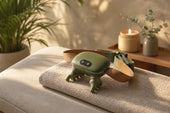
Smart Neck Massager
The Smart Neck Massager is designed to alleviate everyday neck and shoulder tension, making it ideal for those who spend long hours at a desk or engage with screens frequently. With three massage modes, 15 intensity levels, and an optional heat function, users can customize their experience for optimal relaxation. Its lightweight, cordless design and convenient remote control allow for easy use at home, work, or while traveling.
View ProductPros and Cons
| Advantages of Winter Wellness Strategies | Drawbacks of Winter Wellness Strategies |
|---|---|
| Light therapy can significantly enhance mood and energy levels. | Initial cost of light therapy devices can be high. |
| Aromatherapy promotes relaxation and reduces anxiety. | Some essential oils may cause allergic reactions in sensitive individuals. |
| Heat therapy alleviates muscle tension and discomfort. | Overuse of heat therapy can lead to burns or skin irritation. |
| Mindfulness practices improve emotional resilience and focus. | It may take time to develop a consistent mindfulness routine. |
| Regular physical activity boosts mental health and well-being. | Cold weather can deter outdoor exercise motivation. |
Who It's For (And Not For)
Who It's For
- Individuals Experiencing Seasonal Affective Disorder (SAD): If you struggle with symptoms like low energy, irritability, or changes in sleep patterns during winter, wellness products like light therapy can be particularly beneficial.
- Those Seeking Natural Stress Relief: If you prefer holistic approaches to wellness, incorporating methods like aromatherapy or mindfulness can help manage winter stress effectively.
- People Who Spend Extended Time Indoors: If you find yourself confined indoors due to harsh weather, utilizing heat therapy or engaging in indoor exercises can alleviate feelings of restlessness and discomfort.
Who It's Not For
- Individuals with Severe Mental Health Issues: If you have significant mental health concerns that require professional intervention, relying solely on wellness products may not be sufficient.
- Those Uninterested in Lifestyle Changes: If you are not willing to adopt new routines or practices, such as mindfulness or regular exercise, these wellness solutions may not yield the desired benefits.
- People with Specific Health Conditions: If you have certain medical conditions that contraindicate the use of heat therapy or specific essential oils, consult a healthcare professional before engaging with these wellness methods.
Key Takeaways
- Recognize Winter Stressors: Be aware of common causes of winter stress, including Seasonal Affective Disorder (SAD), physical discomfort from cold weather, and increased indoor confinement.
- Utilize Light Therapy: Light therapy can enhance mood, regulate sleep patterns, and reduce symptoms of SAD by mimicking natural sunlight.
- Incorporate Aromatherapy: Essential oils like lavender, sweet orange, and peppermint can promote relaxation and uplift mood during winter months.
- Practice Mindfulness and Meditation: Techniques such as breath awareness and body scans can help reduce anxiety and enhance emotional resilience.
- Stay Active: Regular physical activity is crucial for mental health; consider indoor workouts or outdoor winter sports to maintain motivation.
- Focus on Nutrition: Eating a balanced diet rich in leafy greens, fatty fish, and whole grains can improve mood and energy levels.
- Prioritize Hydration: Stay hydrated by drinking water, herbal teas, and incorporating water-rich foods into your meals, even during winter.