Muscle recovery is crucial for overall wellness, especially for active individuals. This guide highlights the importance of muscle recovery, signs that indicate the need for recovery, and various massage tools to aid the process. It covers manual and electronic options, their benefits, and tips for effectively integrating them into your routine. Key tools discussed include the Body Massager, Telescopic Foam Roller, and Manual Trigger Point Massager, along with safety precautions for their use.
Table of Contents
Muscle recovery is essential for maintaining overall wellness, particularly for those who engage in regular physical activity. Whether you’re an athlete, a fitness enthusiast, or someone who leads an active lifestyle, understanding effective recovery methods can significantly enhance your performance and well-being. Massage tools play a vital role in this process by aiding muscle relaxation, reducing soreness, and improving flexibility. This guide explores the importance of muscle recovery and introduces various massage tools that facilitate essential self-care practices.
Understanding Muscle Recovery
Muscle recovery refers to the physiological processes your body undergoes after physical exertion, allowing muscles to repair and strengthen. This phase is crucial as it helps prevent injury, improves performance, and enhances overall physical health. Incorporating massage into your recovery routine can alleviate muscle soreness and stiffness, promote blood circulation, and enhance flexibility, making it an invaluable tool for anyone looking to optimize their physical health.

Here are some signs that indicate your muscles may need recovery:
- Persistent soreness or tightness in muscles
- Decreased performance or strength
- Fatigue or lack of energy
- Increased risk of injury
- Difficulty in moving or performing daily activities
Types of Massage Tools
There are various types of massage tools available, each offering unique benefits tailored to different recovery needs. Understanding the differences between these tools can help you choose the most suitable one for your personal needs.
Manual vs. Electronic Massage Tools
Massage tools can generally be categorized into manual and electronic options:
- Manual Tools: These include foam rollers and trigger point massagers. They require physical effort to use but provide a high level of control over pressure and technique.
- Electronic Tools: Devices like electric massagers offer automated massage experiences, often featuring various settings for intensity and speed, making them user-friendly.
Benefits of Specific Massage Tools
Here’s a brief overview of some popular massage tools and their benefits:
| Massage Tool | Benefits |
|---|---|
| Body Massager | Offers soothing heat combined with vibration to relax muscles and alleviate tension. |
| Telescopic Foam Roller | Great for self-myofascial release, improving flexibility and blood flow. |
| Manual Trigger Point Massager | Targets specific trigger points and muscle knots for deep-tissue relief. |
When choosing a massage tool, consider your personal preferences, the areas of your body that need attention, and your comfort level with manual versus electronic options. Each tool offers distinct advantages, so aligning them with your recovery goals can enhance your self-care routine significantly.
Spotlight on The Body Massager
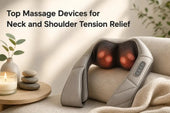
The Body Massager is designed to elevate your muscle recovery experience. This innovative device combines soothing heat with powerful massage capabilities, making it an excellent addition to your self-care routine. Ideal for those who engage in regular physical activity, the ThermaTouch helps alleviate muscle tension and enhances blood circulation, which can be crucial for optimal recovery.
To integrate the massager into your recovery routine effectively, consider using it after workouts or long periods of inactivity. It can be especially beneficial for athletes aiming to reduce soreness and stiffness or for anyone seeking relaxation after a stressful day. The device's heat function can help loosen tight muscles, making it easier to achieve a deeper massage.
For optimal use, follow these steps:
- Start by selecting a comfortable position, either sitting or lying down.
- Turn on the ThermaTouch and adjust the heat setting to your preference.
- Gently glide the massager over the targeted muscle groups, applying light pressure at first.
- Focus on areas of tension, spending extra time on knots or sore spots.
- For enhanced relief, combine the massage with deep breathing to promote relaxation.
Exploring the Telescopic Foam Roller
The Telescopic Foam Roller is another versatile tool that can significantly aid in muscle recovery. Its telescopic design allows for easy storage and transport, making it perfect for those who want to maintain their wellness routine on the go. Foam rolling is a self-myofascial release technique that helps relieve muscle tightness and improve flexibility.
When using the Telescopic Foam Roller, it’s essential to apply the right techniques to maximize its benefits. Here are some effective methods:
- Longitudinal Rolling: Roll along the length of the muscle, moving slowly to identify tight areas.
- Cross Friction: Rotate the roller slightly to target knots and trigger points from different angles.
- Static Hold: When you find a particularly tight spot, hold your weight on that area for 20-30 seconds to release tension.
Additionally, avoid common mistakes such as rolling too quickly, which can reduce effectiveness, or applying excessive pressure, which might lead to discomfort. Instead, focus on gradual pressure adjustments that suit your comfort level.
To help you get started, consider this foam rolling routine:
- Back: Roll from the lower back up to the shoulders.
- Quads: Position the roller under your thighs and roll from the hips to the knees.
- Hamstrings: Place the roller under your legs and roll from the knees to the glutes.
- Calves: Roll from the ankles to the knees, adjusting pressure as needed.
Incorporating the Telescopic Foam Roller into your routine can enhance your recovery process, helping you feel more rejuvenated and ready for your next workout.
Manual Trigger Point Massager: A Closer Look
The Manual Trigger Point Massager is an essential tool designed to effectively target muscle knots and alleviate tension. Its ergonomic design allows for a comfortable grip, enabling you to apply precise pressure to specific areas of discomfort. This is particularly beneficial for those who experience tightness in muscles after workouts or long periods of sitting.

One of the standout features of this massager is its lightweight and portable design, weighing only 118 grams. This allows you to carry it easily to the gym, office, or while traveling. It’s versatile enough to be used on various body parts, including the neck, shoulders, back, arms, legs, and feet, making it a great addition to any self-care routine.
To effectively use the Manual Trigger Point Massager, start by identifying areas with tightness. Common trigger points include the upper back, shoulders, and lower back. Apply gentle pressure on these areas, gradually increasing as needed. Hold the pressure for about 30 seconds to release tension. This technique not only helps relieve discomfort but also enhances blood circulation and promotes faster recovery.
Integrating Massage Tools into Your Routine
Incorporating massage tools like the Manual Trigger Point Massager into your daily wellness practices can significantly enhance your muscle recovery and overall relaxation. Here are some strategies to effectively integrate these tools into your routine:
- Timing: Use massage tools post-workout or after a long day of physical activity. This is when your muscles are most receptive to recovery techniques.
- Combine Techniques: Pair massage with stretching and hydration. Stretching after using a massage tool can further enhance muscle flexibility and reduce soreness.
- Personalized Schedule: Create a self-care schedule that includes specific times for using your massage tools. For example, set aside 10-15 minutes in the morning for self-massage before your day starts, and another session in the evening to unwind.
For a sample weekly self-care schedule, consider the following:
| Day | Activity |
|---|---|
| Monday | Foam rolling session post-workout |
| Wednesday | Manual Trigger Point Massage on shoulders and back |
| Friday | Relaxation massage with the Body Massager |
| Sunday | Full-body stretching and massage session |
Safety and Precautions
While massage tools can be incredibly beneficial, it’s essential to use them safely to avoid injury. Here are some precautions to consider:
- Contraindications: Avoid using massage tools over broken skin, bruises, or inflamed areas. If you're recovering from an injury, consult a healthcare professional before using any massage device.
- Listen to Your Body: Pay attention to how your body responds during self-massage. If you experience pain rather than relief, adjust the pressure or stop using the tool.
- Consult a Professional: If you have chronic pain or specific health concerns, it’s wise to consult with a physical therapist or massage therapist for personalized advice.
By following these safety guidelines, you can maximize the benefits of your massage tools while minimizing the risk of injury. Incorporating these practices into your routine will enhance your self-care journey and promote a healthier lifestyle.
Comparison at a Glance
| Option | Best for | Strengths | Trade-offs |
|---|---|---|---|
| Body Massager | Those seeking relaxation and muscle tension relief | Combines heat with vibration for enhanced relaxation | May require charging and can be heavier to handle |
| Telescopic Foam Roller | Individuals looking for flexibility and portability | Great for self-myofascial release and easy to store | Requires physical effort and may take time to master techniques |
| Manual Trigger Point Massager | People needing targeted relief for muscle knots | Lightweight and portable, allows for precise pressure | Requires manual effort and may not provide deep relief without practice |
Pros and Cons
| Advantages of Massage Tools | Drawbacks of Massage Tools |
|---|---|
| Enhances muscle relaxation and reduces soreness. | May require time to learn proper techniques for effectiveness. |
| Improves blood circulation and flexibility. | Some tools can be expensive and may not fit all budgets. |
| Portable options available for on-the-go recovery. | Risk of injury if used improperly or without guidance. |
| Can target specific muscle knots for relief. | May not provide the same benefits as professional massage therapy. |
| Encourages regular self-care and wellness routines. | Requires consistency and commitment to see significant results. |
Who It's For (And Not For)
Who It's For
- Athletes: Those who engage in regular physical activity and need effective recovery methods to enhance performance.
- Fitness Enthusiasts: Individuals who are committed to maintaining an active lifestyle and want to optimize their muscle recovery.
- People with Muscle Tightness: Anyone experiencing persistent soreness or tightness in their muscles after workouts or daily activities.
- Those Seeking Relaxation: Individuals looking for ways to alleviate stress and promote relaxation after a long day.
Who It's Not For
- Individuals with Injuries: Those recovering from injuries should consult a healthcare professional before using massage tools.
- People with Certain Health Conditions: Individuals with chronic pain or specific health concerns may need personalized advice from a professional before using massage devices.
- Those Uncomfortable with Self-Massage: If you are not comfortable using manual or electronic massage tools, alternative recovery methods may be more suitable.
- People with Sensitivity: Those who experience pain rather than relief during self-massage should reconsider using these tools.
Key Takeaways
- Muscle recovery is crucial for overall wellness, especially for active individuals, as it helps prevent injury and enhances performance.
- Massage tools can aid in muscle relaxation, reduce soreness, and improve flexibility, making them essential for effective recovery.
- Manual and electronic massage tools each offer unique benefits; manual tools provide control, while electronic options offer convenience.
- Body Massager combines heat and vibration to alleviate tension and enhance blood circulation, ideal for post-activity use.
- Telescopic Foam Roller is great for self-myofascial release, improving flexibility and blood flow through various rolling techniques.
- Manual Trigger Point Massager effectively targets muscle knots and tension with a portable design, making it easy to use anywhere.
- Incorporate massage tools into your routine post-workout or after physical activity, and combine them with stretching for optimal recovery.